
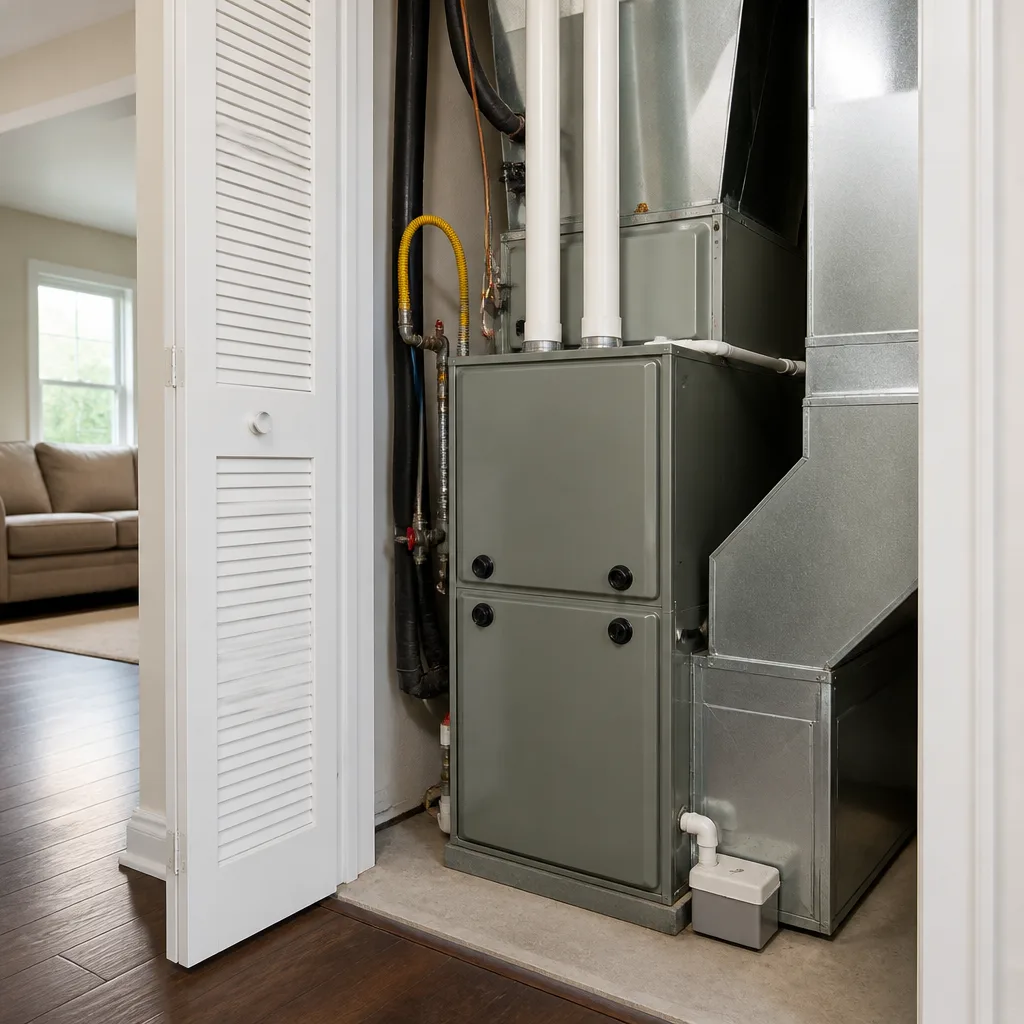
 Furnace & heating
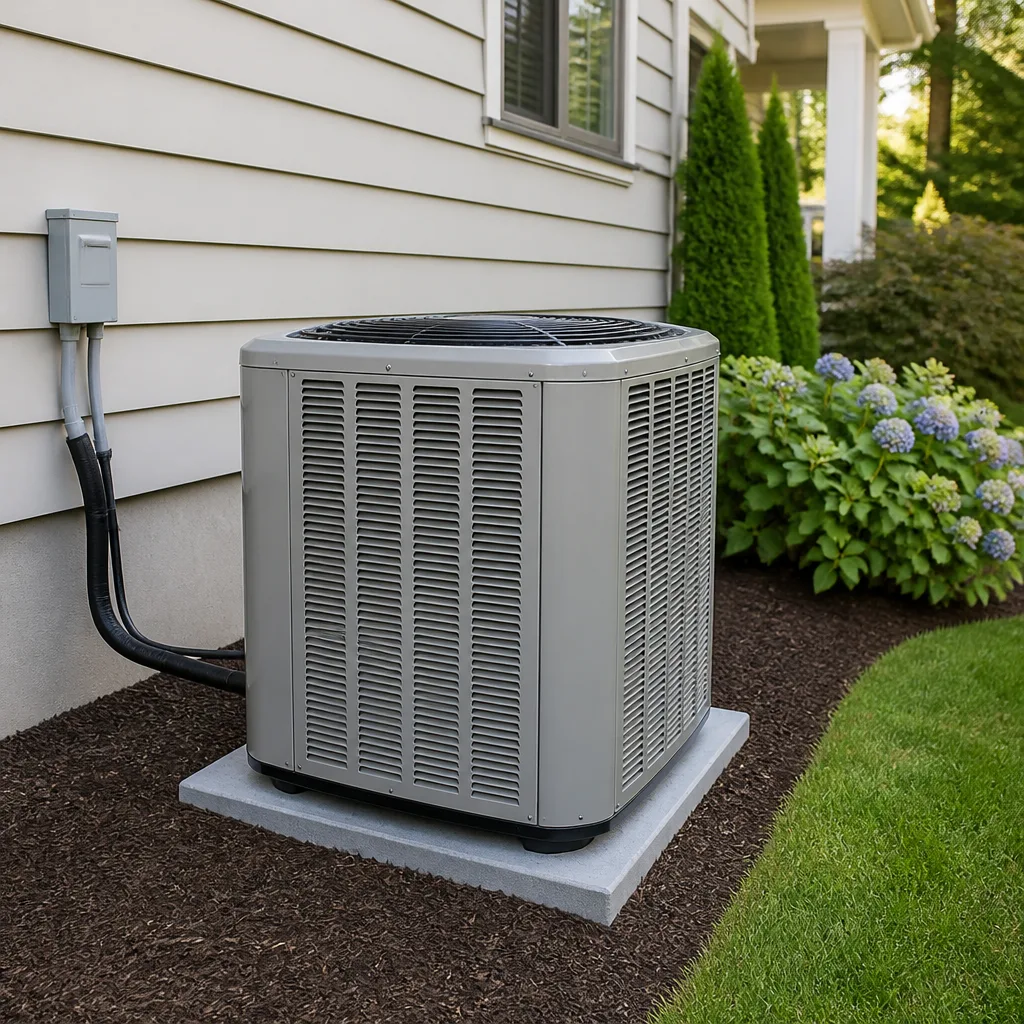 AC repair
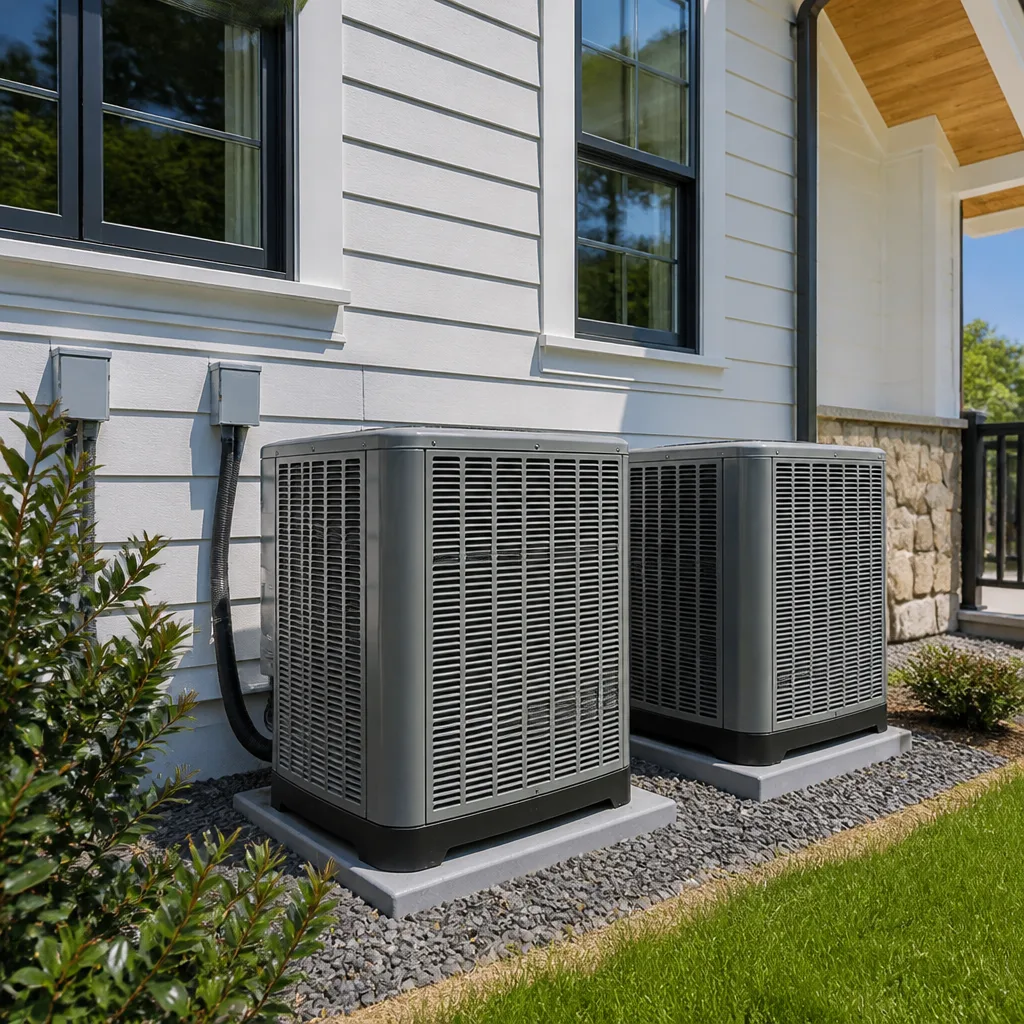 Heat pumps
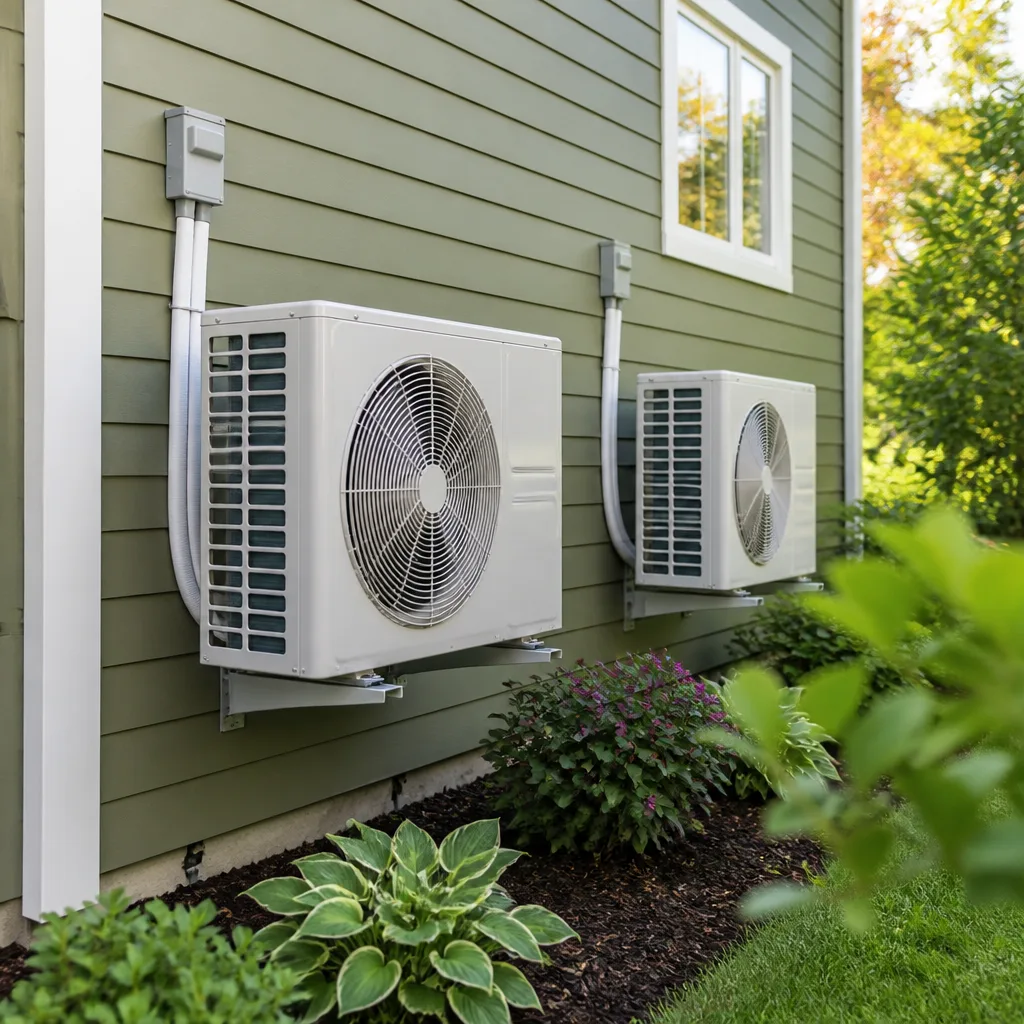 Ductless mini splits
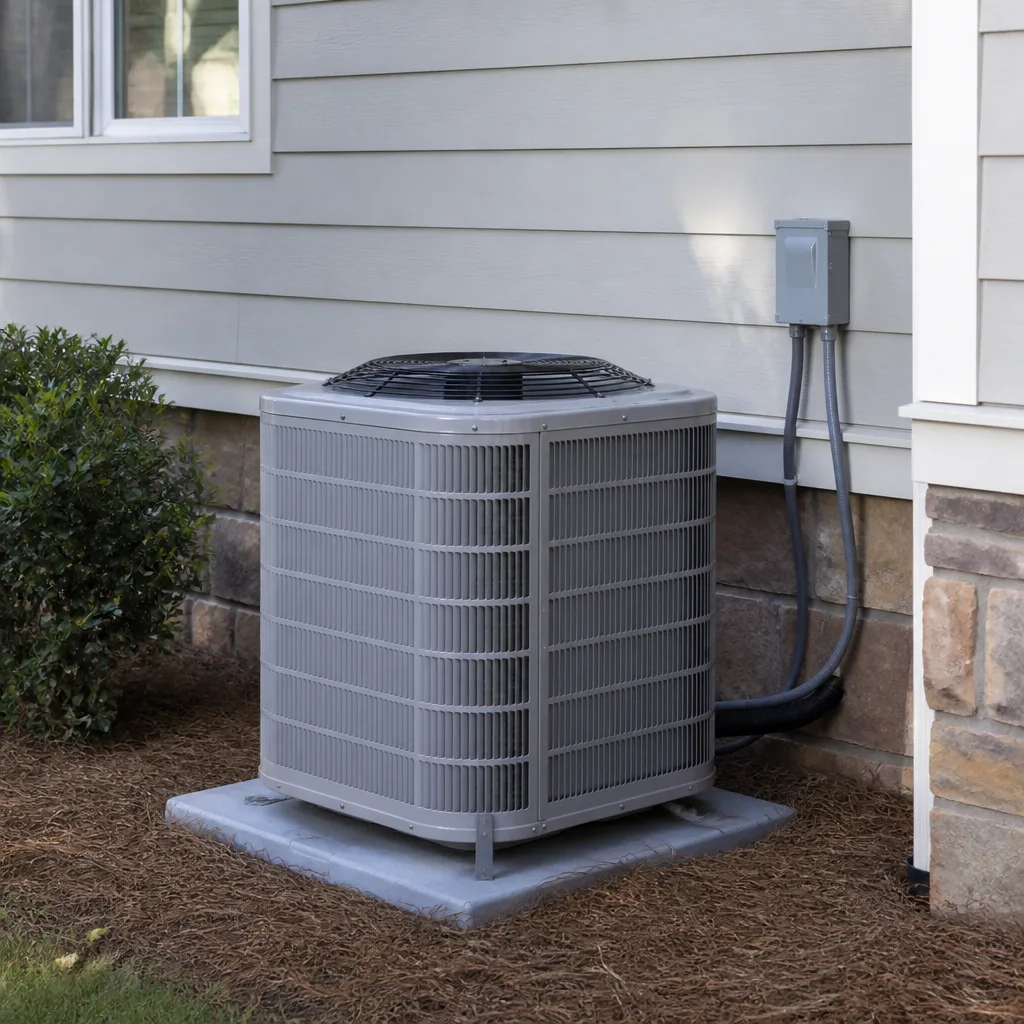 Carrier
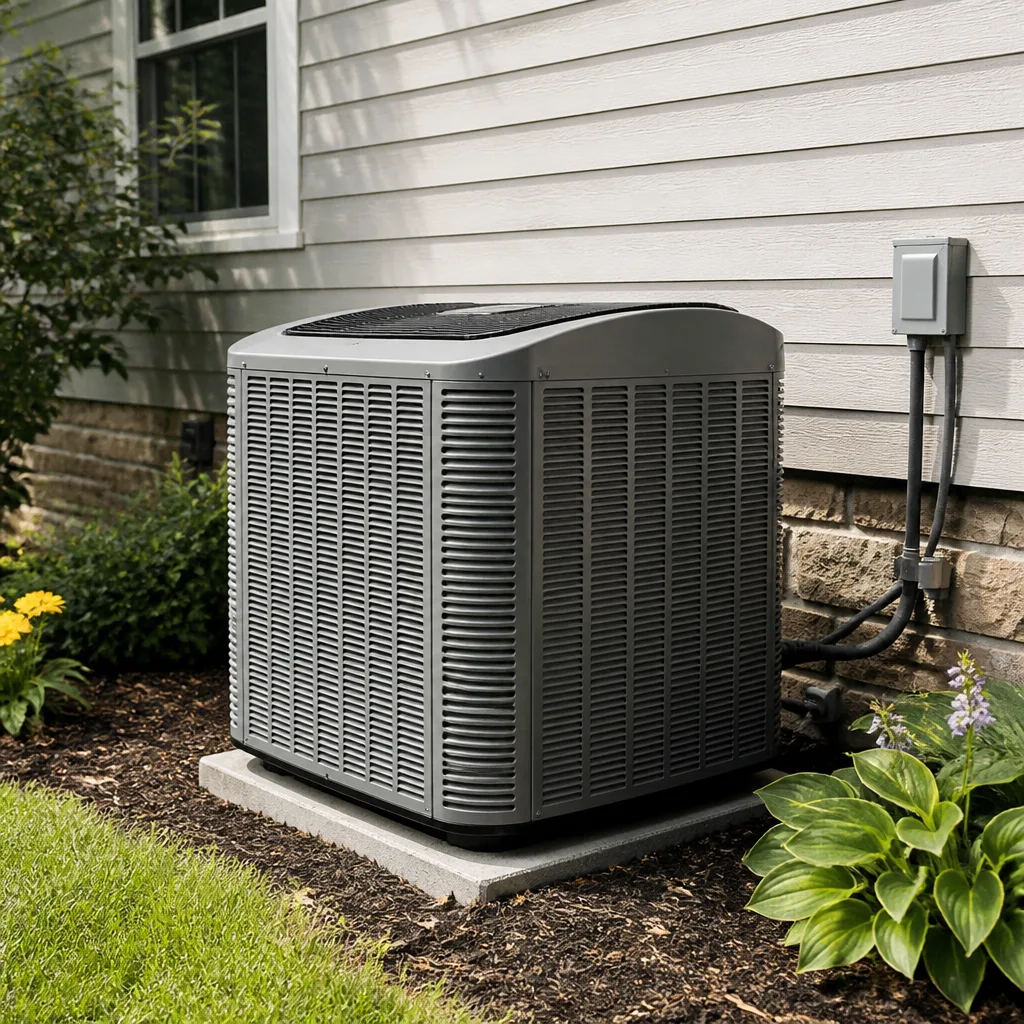 Trane
Trane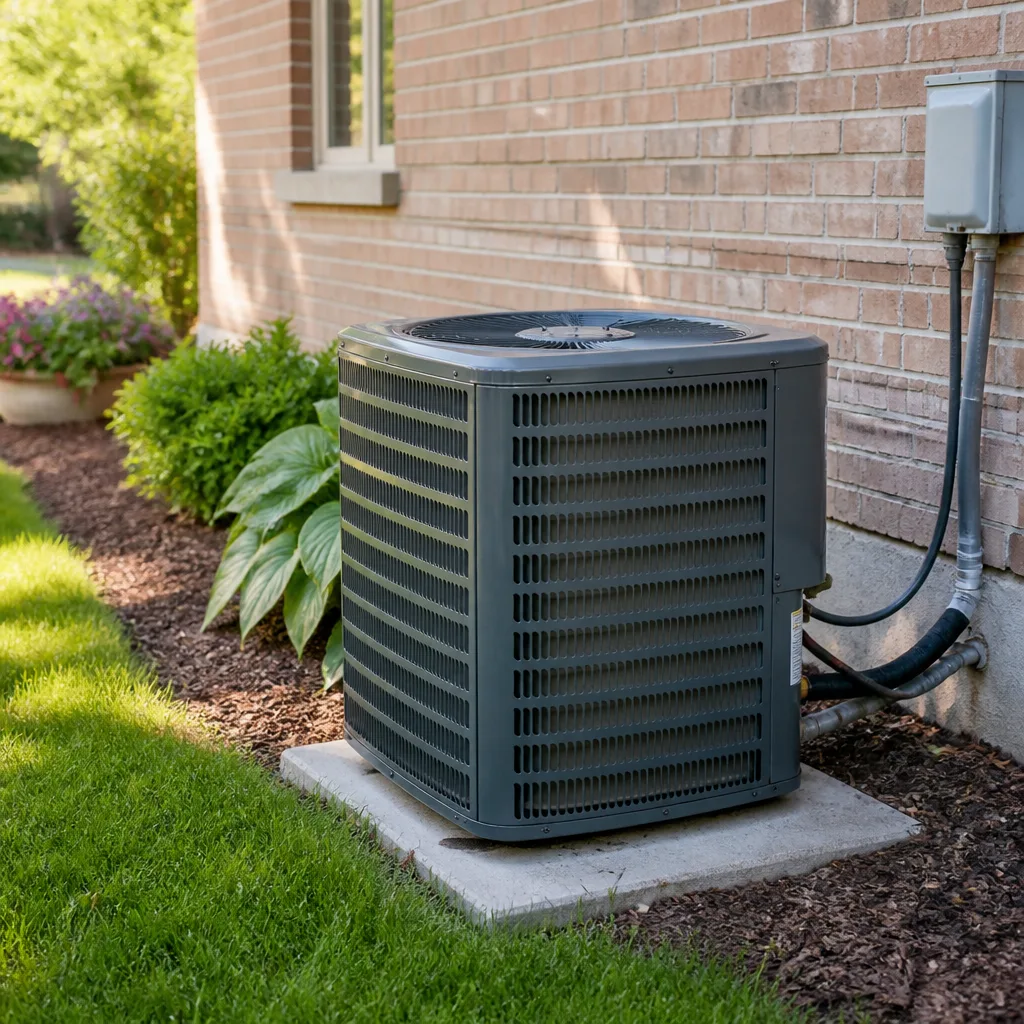 Goodman
Seasonal tune-up and full diagnostic on your Carrier, Trane, or Goodman system - readings shown to you before any repair is proposed
Diagnosis first, numbers second - you approve the repair price before a single part goes in.
Get your free estimateTrane Capacitor Replacement: The Fort Worth Owner’s Guide
We stock Trane-compatible capacitors on our trucks and complete most capacitor replacements in Fort Worth the same day you call. The installed price typically runs $150 – $300 depending on the capacitor your Trane needs, the labor to access it, and whether we find a second issue while we’re at the electrical panel. Most homeowners discover the capacitor has failed when the outside unit hums but the fan won’t spin, or when the compressor tries to start and then shuts off a few seconds later. It’s one of the most common failures we see in Fort Worth, especially between May and September when the system has been cycling hard for weeks straight.
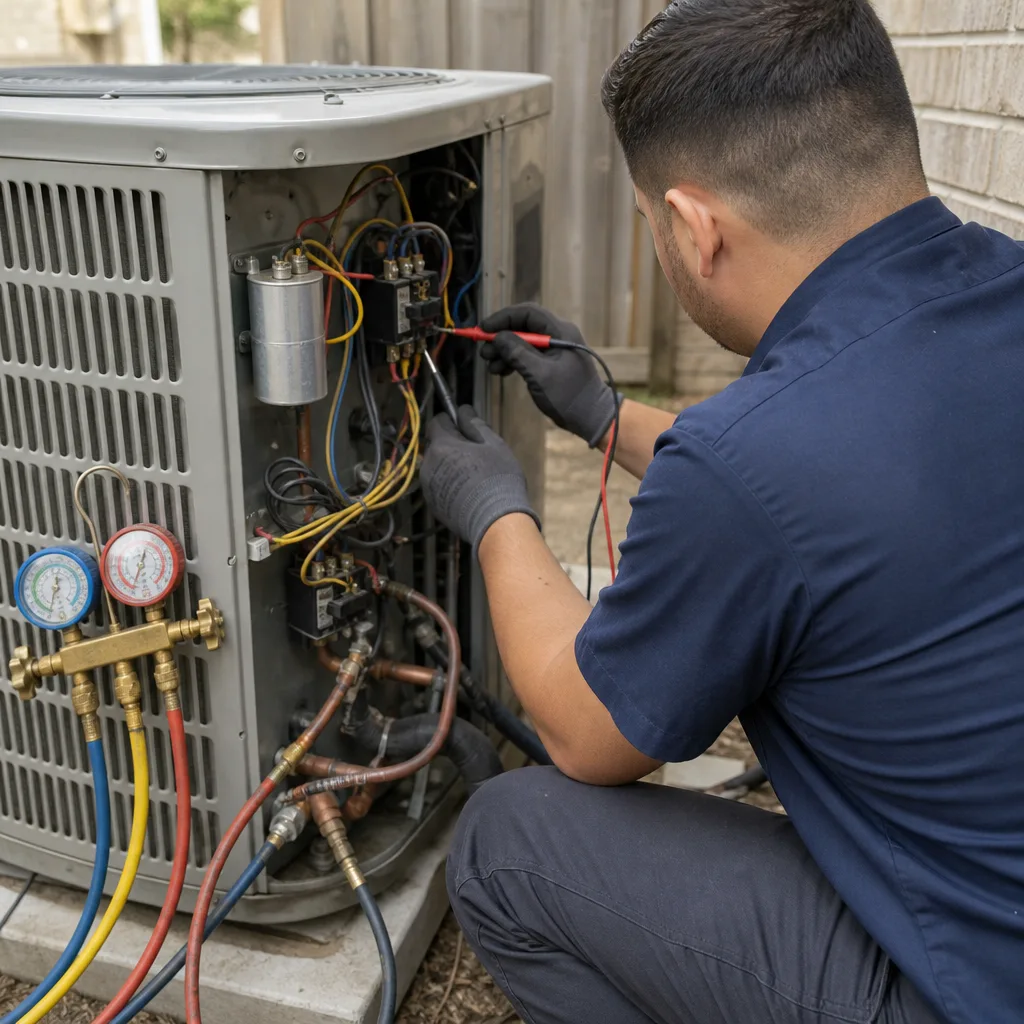
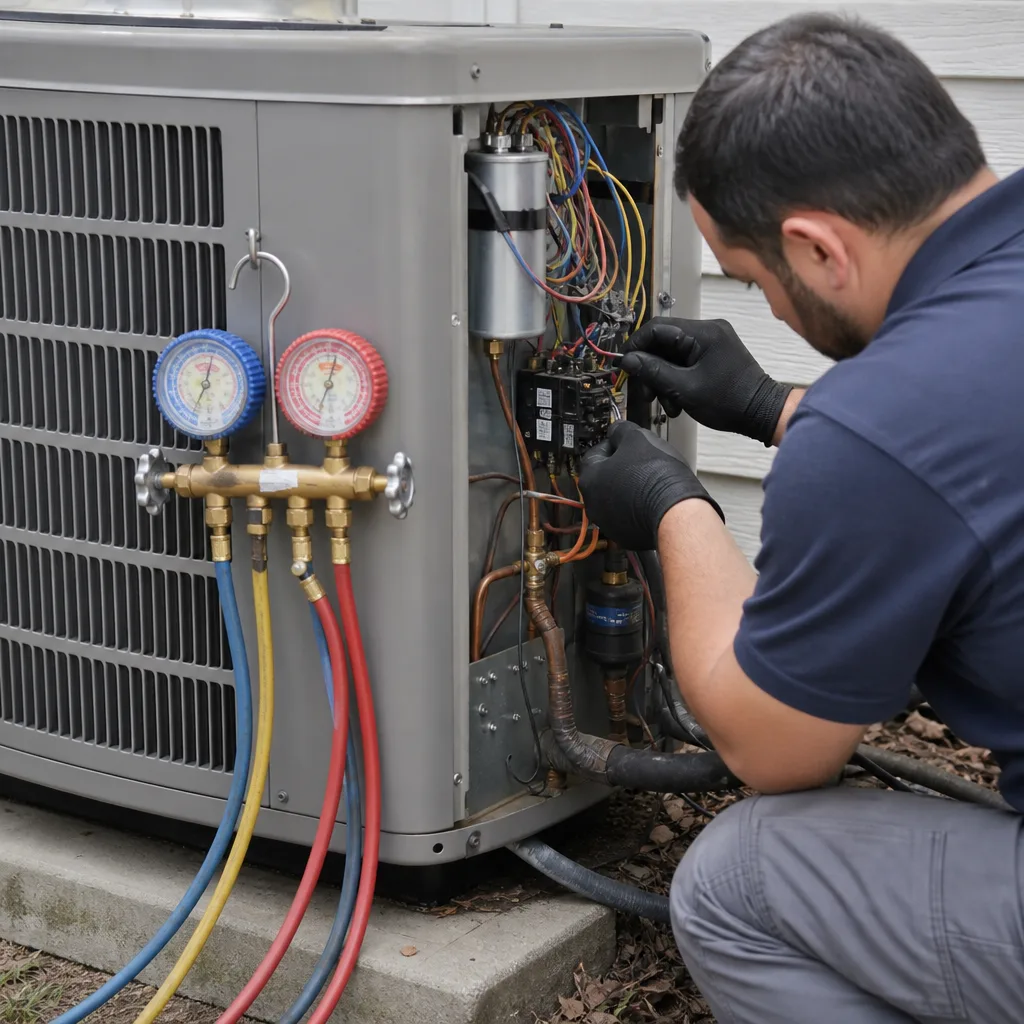
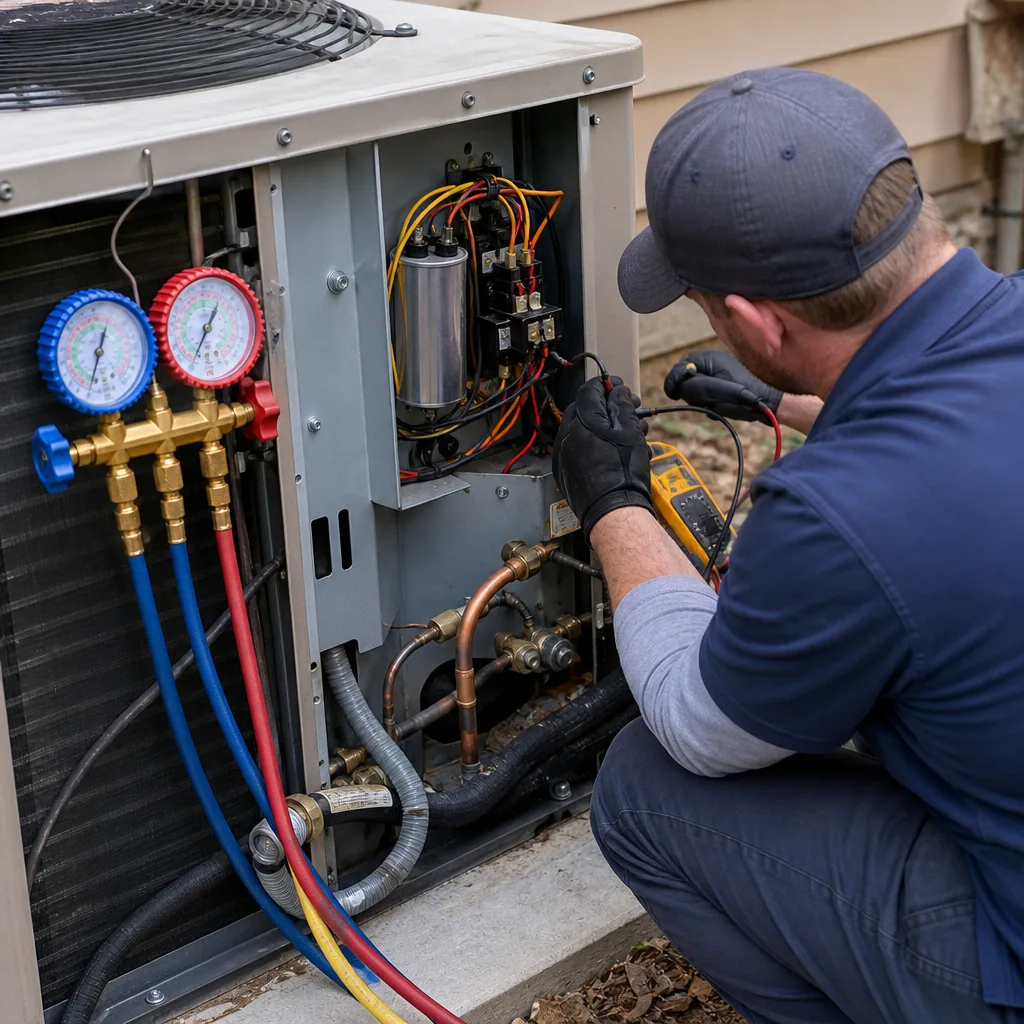
Here’s the short version of what you’re dealing with: the capacitor is the small cylinder inside your condenser that stores and releases the electrical jolt needed to start the compressor and fan motor. When it weakens, the motor can’t get moving. When it fails completely, nothing happens at all. On a Trane, the capacitor is usually mounted near the contactor inside the outdoor unit’s electrical compartment. The part itself is inexpensive. It’s the diagnosis, the match to your specific model, and the installation that make up most of what you pay.
Which Trane Models This Applies To
Capacitors are not one-size-fits-all, and Trane uses different specifications across its residential lines. The XL series, XR series, and the newer XV and XLi variable-speed systems all pull different capacitor values depending on the compressor type and fan motor. A capacitor that works in a Trane XR14 will not necessarily match an XL18i. The label on the capacitor itself lists the microfarad (µF) rating, usually a dual-value spec like 45/5 µF or 35/5 µF. The first number is the compressor side, the second is the fan side.
The compatibility gotcha we see regularly: many Fort Worth homeowners buy a generic capacitor online with the right microfarad rating but the wrong physical dimensions or terminal configuration. Trane units are built tight. A capacitor that’s a quarter-inch taller or has spade terminals in a different position may not seat properly in the bracket, and a loose capacitor rattling against the condenser housing is its own failure waiting to happen. We stock OEM Trane capacitors and quality aftermarket equivalents from manufacturers we’ve run for years without early failures. When an OEM part isn’t on the truck, we install an aftermarket unit with the exact µF and voltage ratings the OEM spec called for, and we note it on your invoice.
To identify what you need, open the electrical panel on your outdoor unit and read the label on the old capacitor. You’re looking for two things: the microfarad rating (often stamped like “45+5 MFD”) and the voltage (370V or 440V are common). If you can’t read the label because it’s swollen, cracked, or covered in oil residue, that’s its own answer: the capacitor has vented and failed. We can cross-reference your Trane model number when we arrive, so don’t worry if the sticker is unreadable. We service all nine major residential HVAC brands, and we also keep compatible stock for Carrier and Lennox systems on our trucks in Fort Worth.
Styles & brands we work with
Signs Your Trane Capacitor Replacement Is Failing
- The outdoor unit hums but the fan doesn’t turn. The compressor is getting power and trying to start, but the fan motor isn’t receiving the starting jolt it needs. This is the classic weak-capacitor symptom, and if you catch it now, you may avoid overheating the compressor.
- The system starts, runs for 10 – 30 seconds, then shuts off. The compressor starts on residual charge, then the capacitor can’t sustain it. This short-cycling puts enormous wear on the compressor each time it happens, and running it this way through a Fort Worth August will shorten the compressor’s life measurably.
- The fan spins slowly or needs a manual push to start. Some older Trane units have fan motors that will limp along on reduced starting torque. If you’ve ever had to nudge the fan blades with a stick to get the unit going, the capacitor was already dying.
- The capacitor casing is swollen, split, or leaking oil. A healthy capacitor should be a smooth cylinder. Bulging at the top, a split seam, or oily residue around the base means the internal dielectric has broken down and the part has failed or is about to.
- Your energy bill climbs while cooling output drops. A weak capacitor makes the compressor and fan work inefficiently. The system still cools, but it runs longer and draws more current to do the same job. In Fort Worth’s summer heat, that inefficiency gets expensive fast.
See the difference
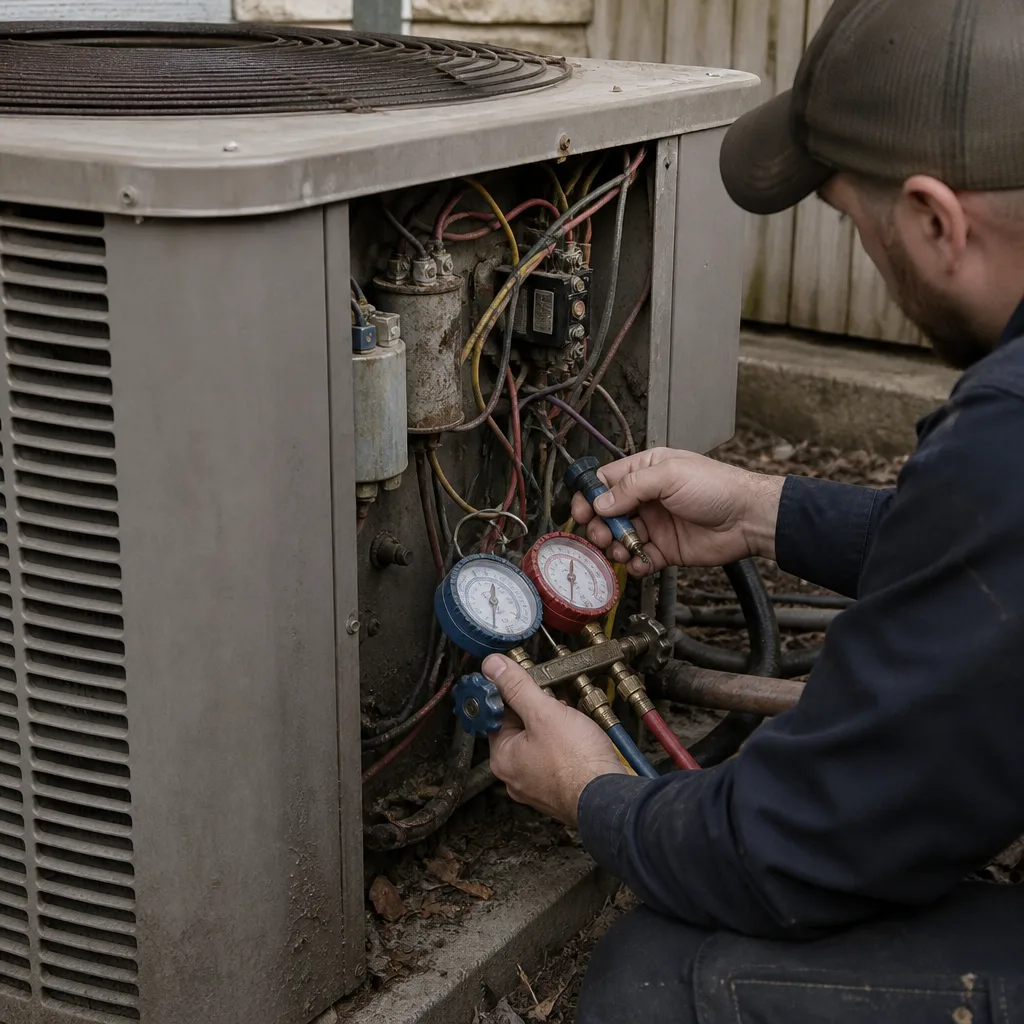 Before
 After
After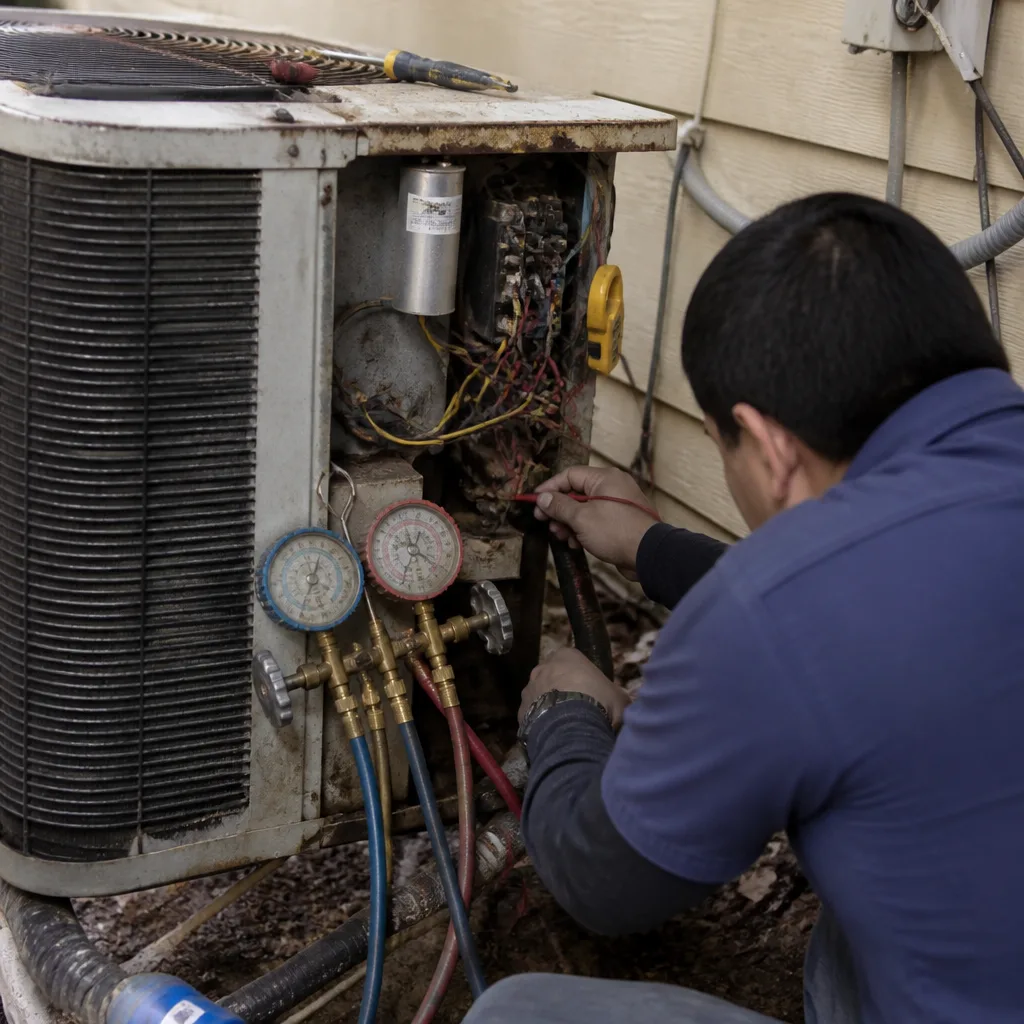 Before
 After
After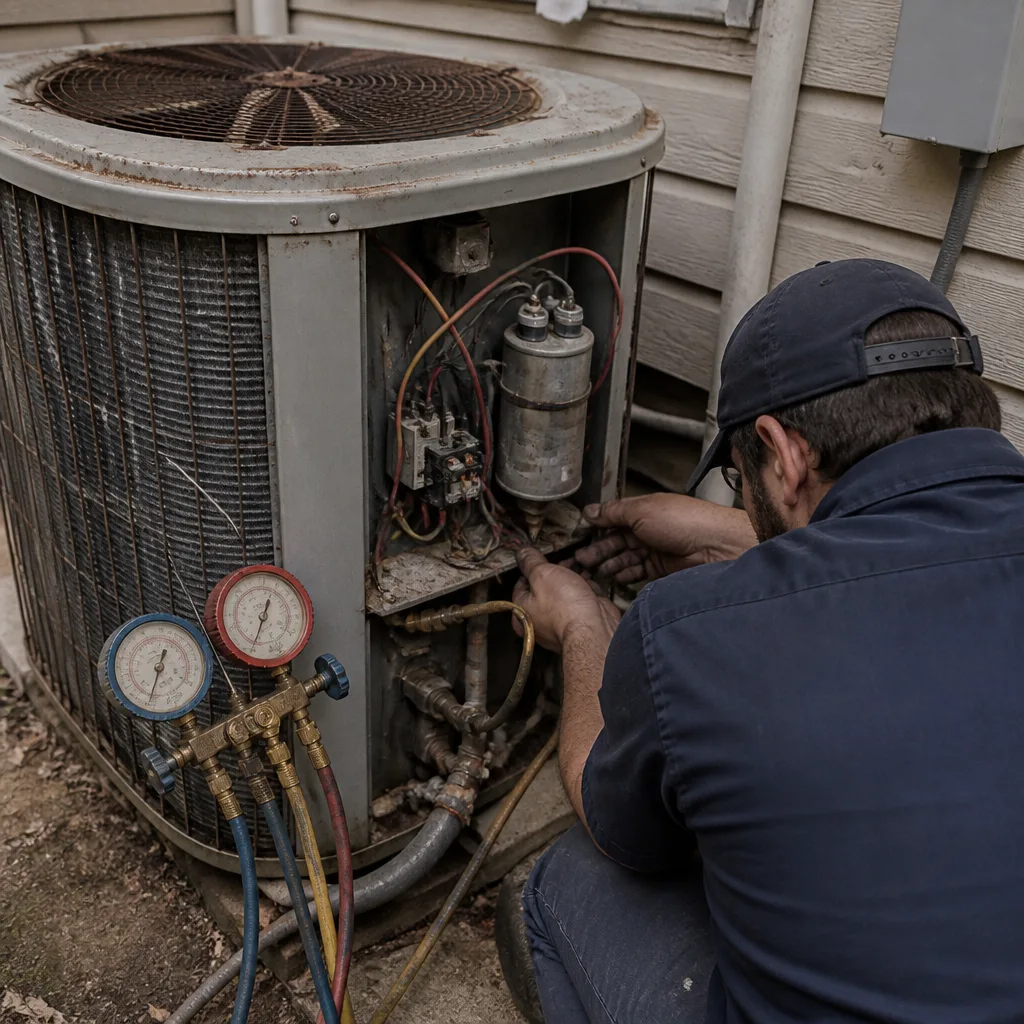 Before
 After
AfterReplacement Cost & What’s Included
For a Trane capacitor replacement in Fort Worth, you’re looking at $150 – $300 installed in most cases. The capacitor itself is a $25 – $75 part depending on whether it’s OEM Trane or a quality aftermarket equivalent and whether it’s a single or dual-rated unit. The rest is the service call, the diagnosis, the replacement labor, and the testing we do after the swap to confirm your system is pulling the correct amperage and starting cleanly.
What drives the range: access. On most Trane condensers, the capacitor sits behind a panel that takes five minutes to open. On units tucked against a fence or buried in overgrown landscaping, the job takes longer. If we find a second failing component while we’re in there, like a pitted contactor or a weak fan motor, we’ll show you the part, put the additional price in writing before we touch it, and get your approval first. That’s the non-negotiable standard we’ve run on since 2003: written price before any work starts, written guarantee on every repair, and a free return visit if the repair fails within the guarantee year.
DIY or Call Us?
Here’s the honest split. You can safely check the capacitor by looking at it: turn the system off at the breaker and at the disconnect box by the outdoor unit, open the panel, and inspect for swelling, cracking, or leaking. That’s a diagnostic step any homeowner can do. Replacing it is a different thing entirely. Capacitors store an electrical charge even after the power is off, and a charged 370V capacitor discharging across your hand is a genuine injury risk. Touching the wrong terminal without discharging the capacitor first is how people end up in urgent care. Beyond that, installing the wrong µF value, wiring it backwards, or leaving a loose connection can damage the compressor or fan motor, and those repairs run into the hundreds or thousands.
Marco Benitez will tell you what we tell every Fort Worth homeowner who asks: if you think it’s the capacitor, call us. We’ll confirm it in about 20 minutes, and if it’s something simpler, like a tripped breaker or a loose wire, we’ll tell you that too. Tell me what it is doing, and I will tell you what it needs. That’s how Marco runs every diagnostic call, including yours.
FAQs
In Fort Worth, expect 5 – 10 years from an original Trane capacitor. The Texas heat shortens lifespan: sustained 100°F ambient temperatures and continuous compressor cycling break down the dielectric fluid inside the capacitor faster than in milder climates. If yours failed at the 3-year mark, that’s early but not unheard of. We replace with units rated for 440V where the original called for 370V, because the higher voltage tolerance holds up longer in extreme heat. Call (817) 730-5369 and we’ll check your capacitor’s actual µF reading against its rated value; we replace any that test outside 6% of spec.
No. A capacitor is a sealed component; once the internal dielectric degrades or the casing vents, there is no field repair that restores it. Anyone offering to “rebuild” a capacitor is not doing you a favor. The good news is replacement is one of the more affordable repairs on a Trane system, and it takes under an hour in most cases. Call (817) 730-5369 for an exact quote; estimates are free and the price is in writing before we start.
Most Trane capacitor replacements take 30 – 60 minutes from arrival to a running, tested system. That includes opening the panel, discharging the old capacitor safely, removing it, installing and securing the new one, wiring it correctly, and testing the compressor and fan startup draw. If we’re already at your house for a diagnostic, we can usually complete the replacement on the same visit. Same-day service is typical in Fort Worth; we answer the phone with a live person 24/7, so you’ll never sit in a voicemail queue.
Yes, we carry a range of Trane-compatible capacitors on our service trucks so the job usually gets done in one visit. We stock common dual-rated values like 35/5, 40/5, 45/5, and 50/5 µF in both 370V and 440V ratings, which covers the majority of residential Trane models in Fort Worth. For less common values or OEM-specific parts, we can usually have the part by the next morning. We also carry compatible stock for Carrier and Lennox systems, so if you have more than one brand at the property, one truck can handle both. Call (817) 730-5369 with your Trane model number and we’ll confirm the part is on the truck before we roll out.
If your Trane is humming, short-cycling, or just not starting the way it should, call us at (817) 730-5369. We’ll send a uniformed, background-checked technician who will diagnose the capacitor and give you the price in writing before any work starts. Every repair is guaranteed in writing for a full year, and if it fails in that time, we come back at no charge. That’s how Dalton Heating & Air Fort Worth has done it since 2003, and it is not changing for your job either.
Written by Marco Benitez, Owner, Dalton Heating & Air Fort Worth at Dalton Heating & Air Fort Worth, serving Fort Worth and nearby areas.