
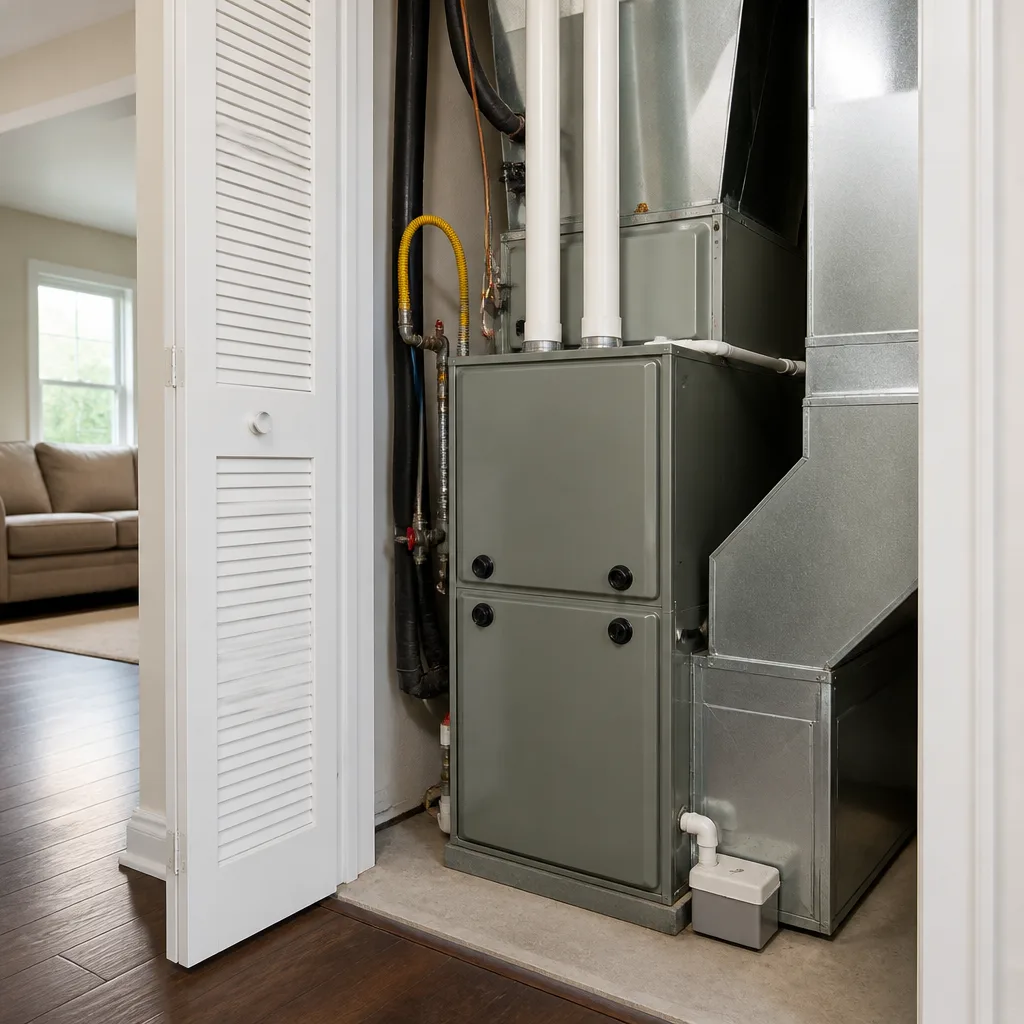
 Furnace & heating
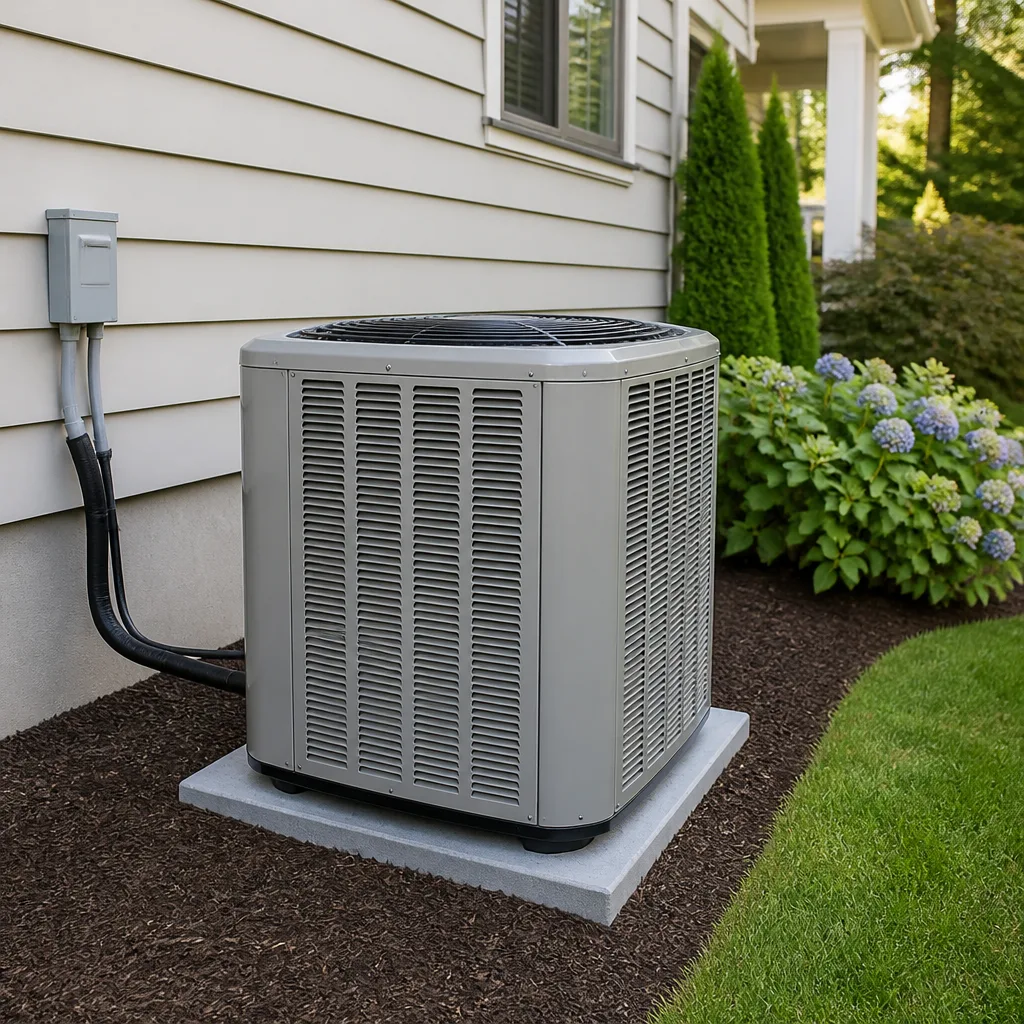 AC repair
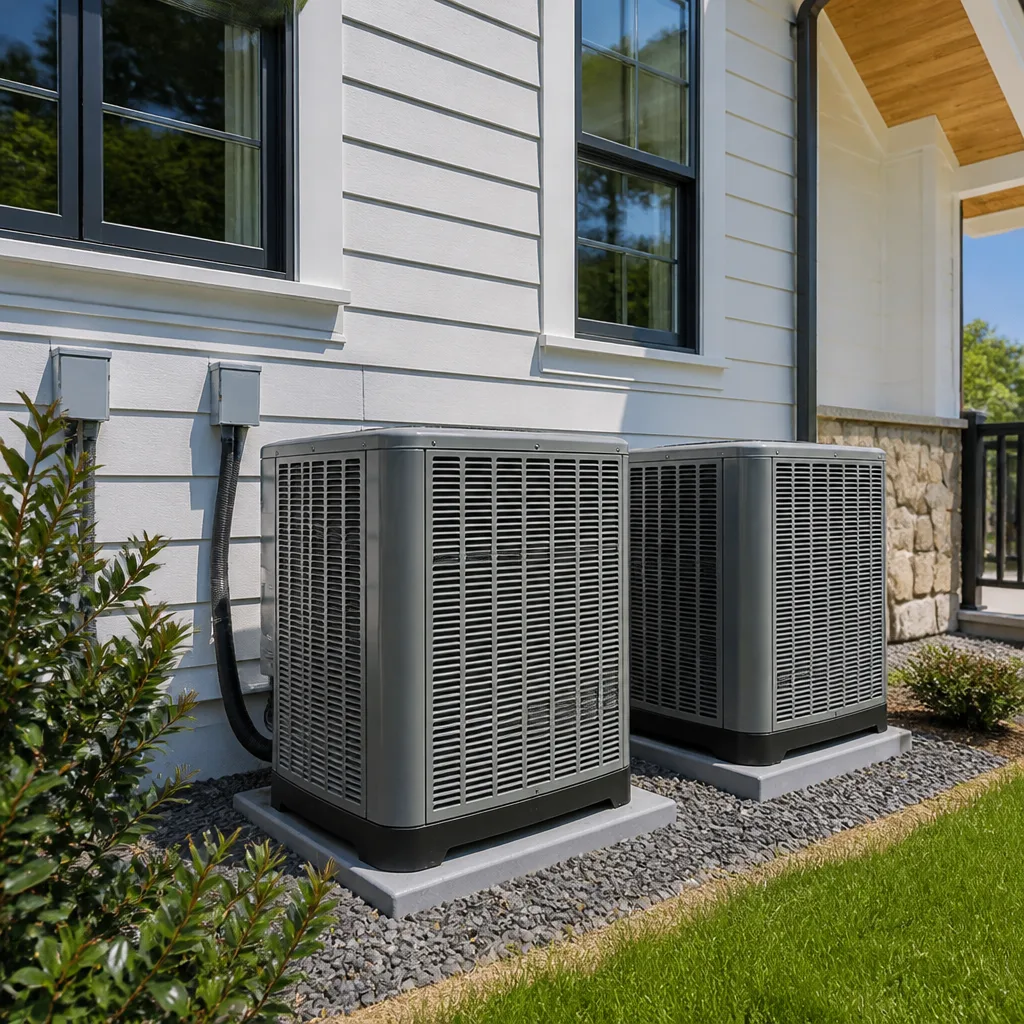 Heat pumps
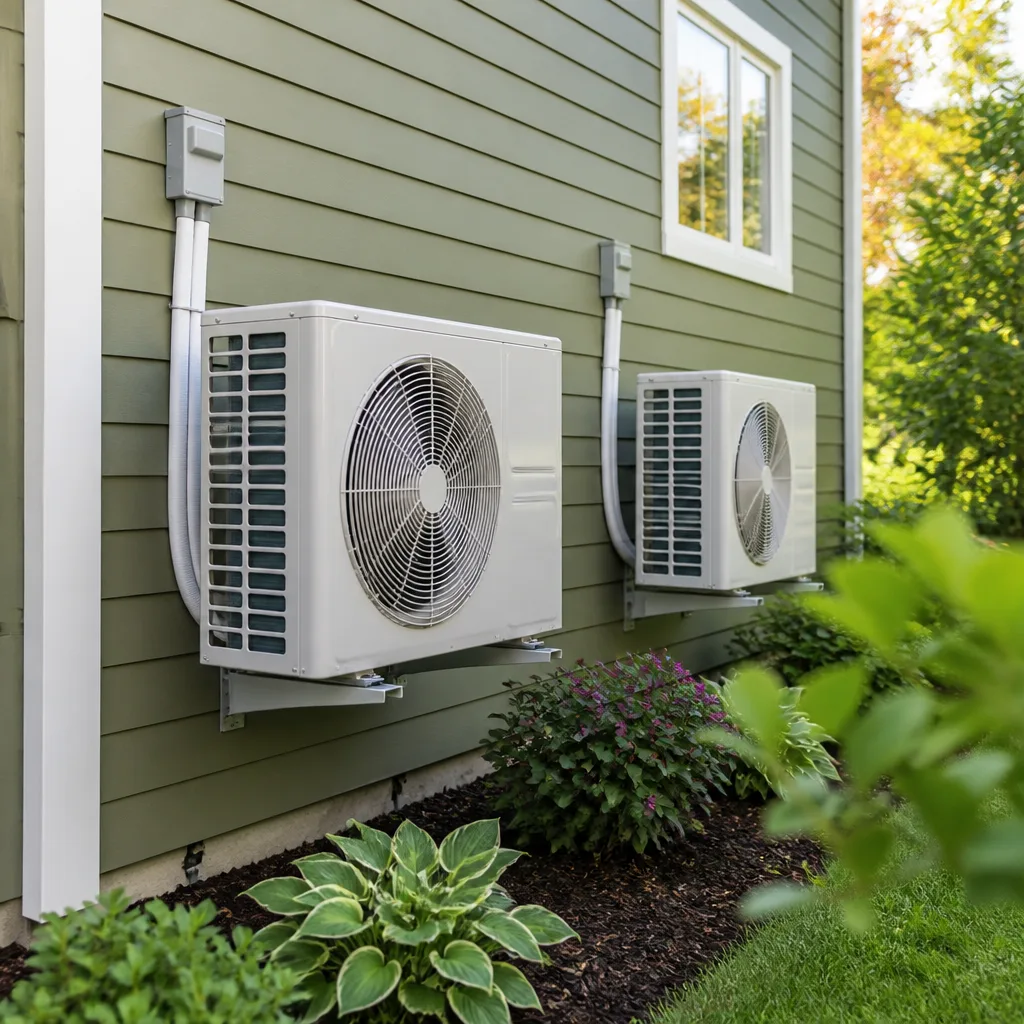 Ductless mini splits
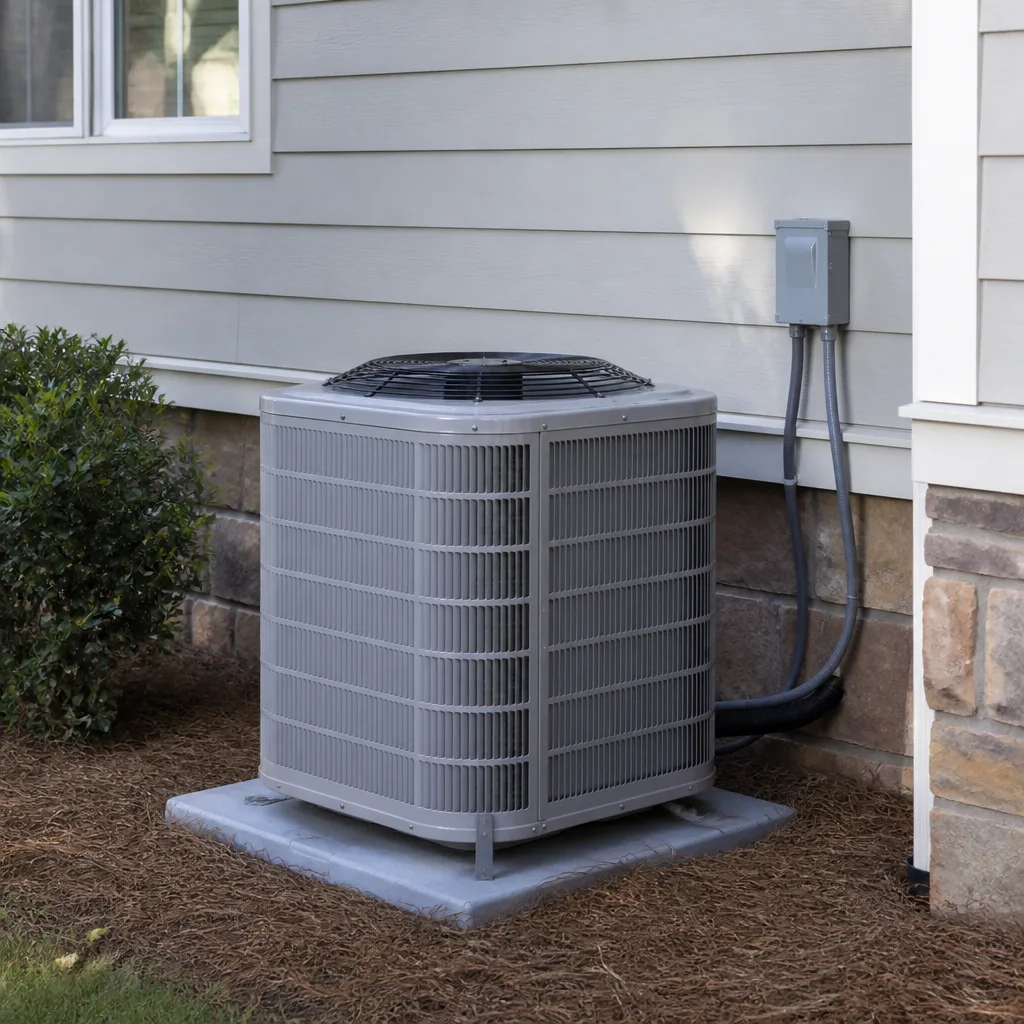 Carrier
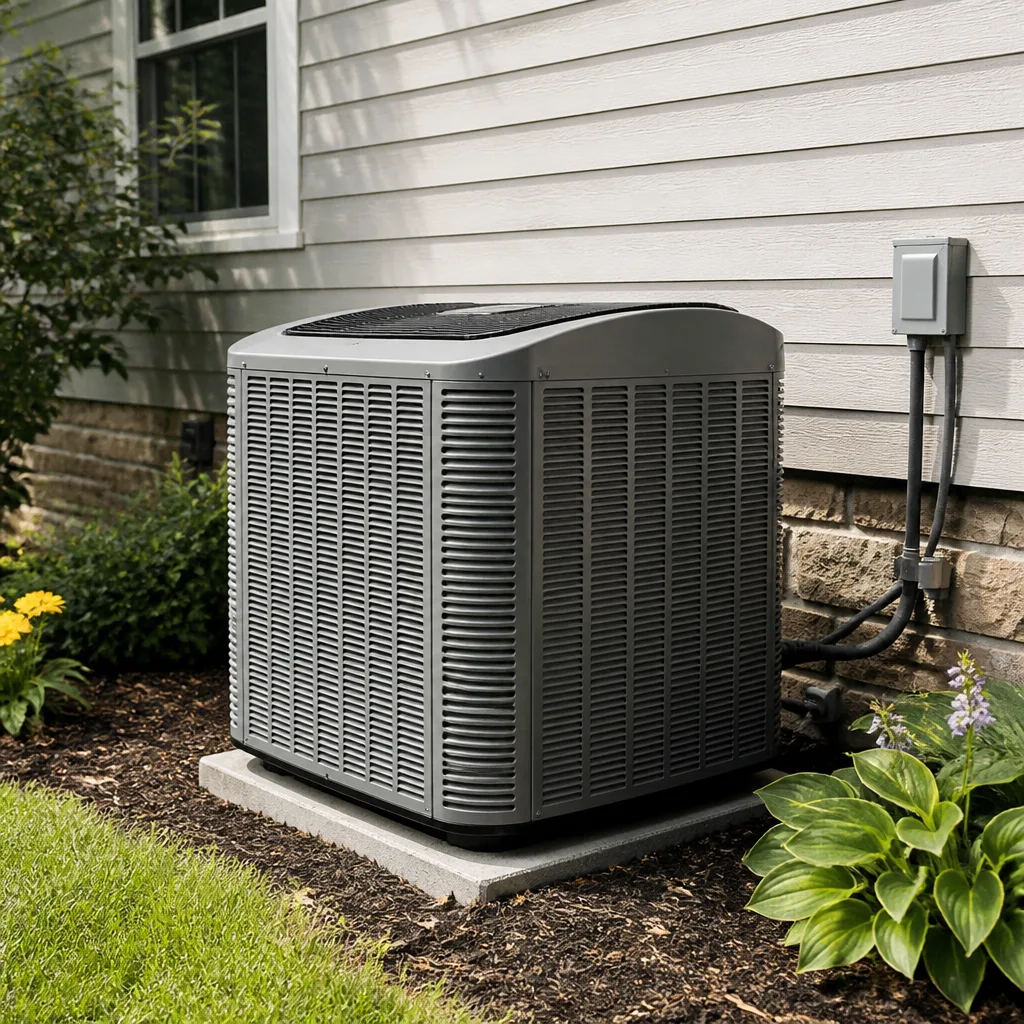 Trane
Trane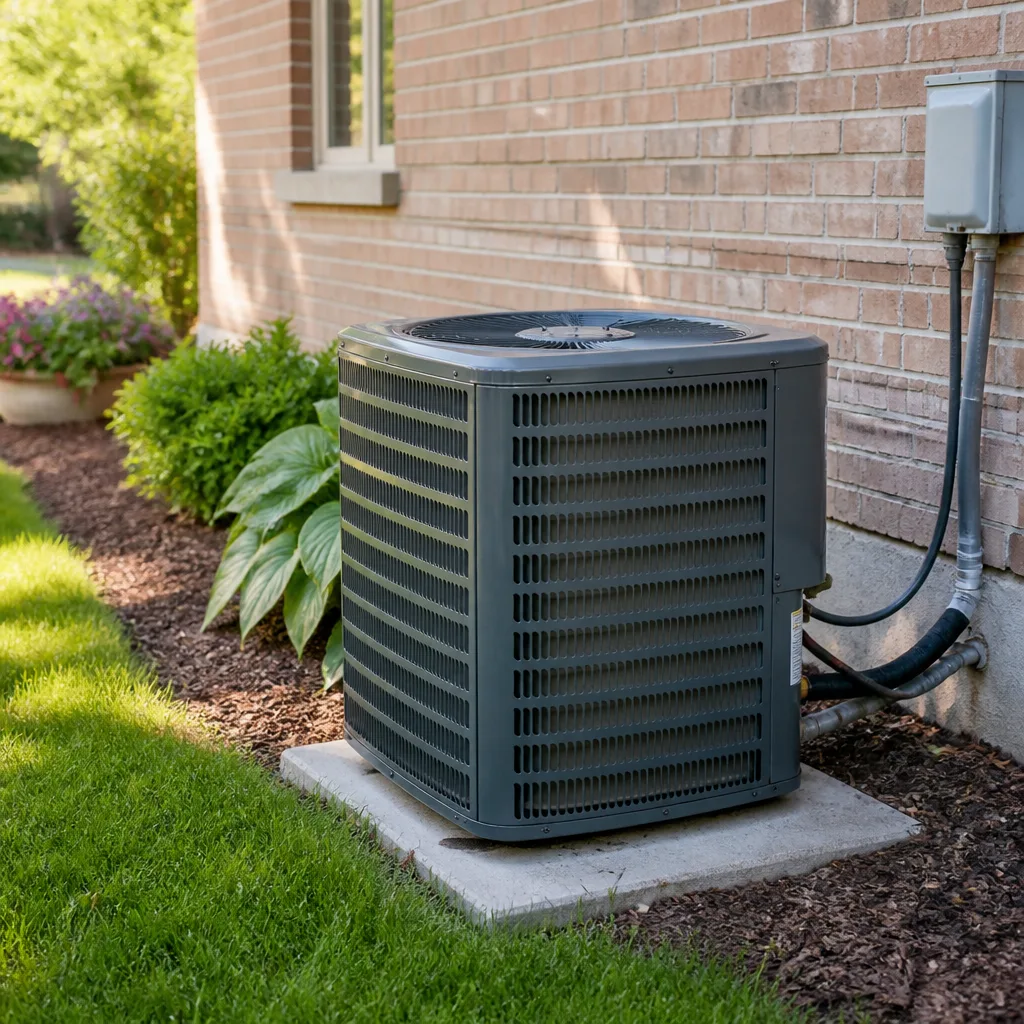 Goodman
Seasonal tune-up and full diagnostic on your Carrier, Trane, or Goodman system - readings shown to you before any repair is proposed
Diagnosis first, numbers second - you approve the repair price before a single part goes in.
Get your free estimateBryant Heat Pump Service: The Fort Worth Owner’s Guide
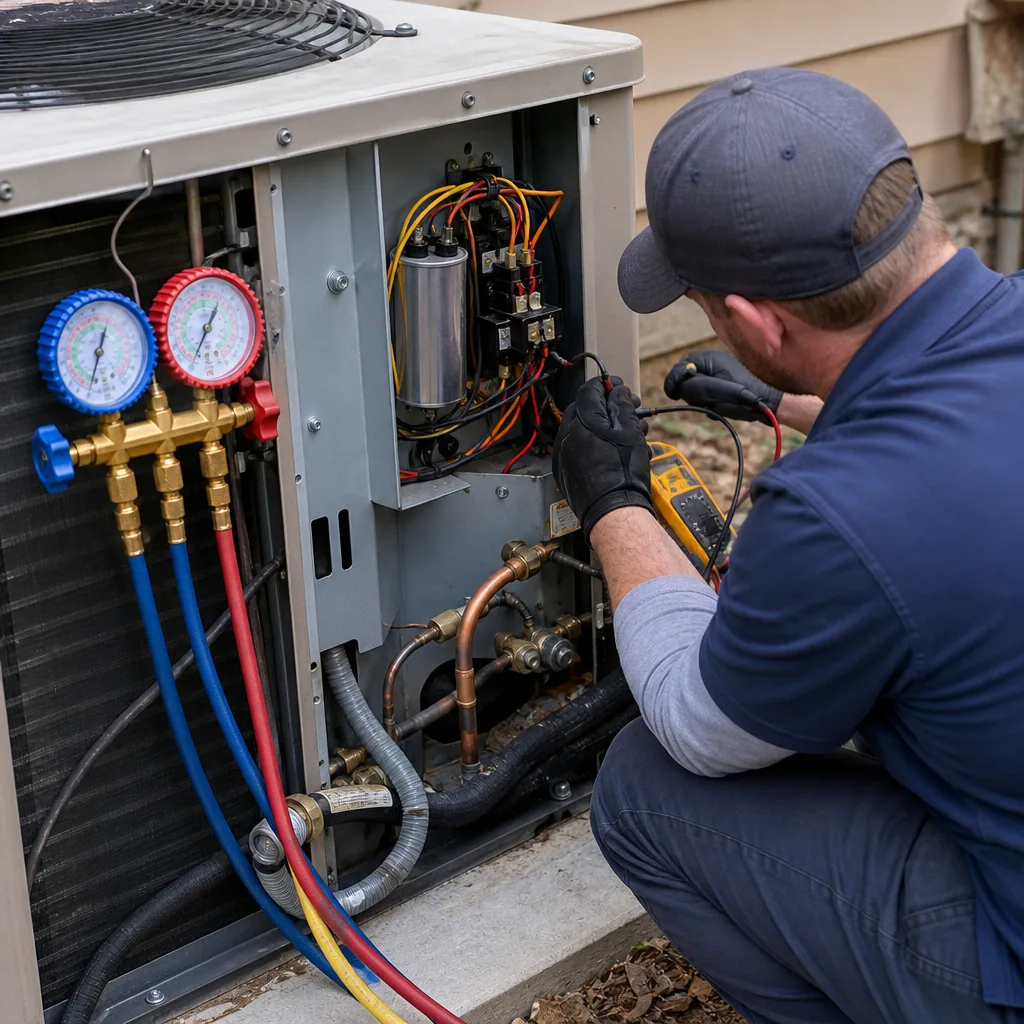
Bryant heat pump service in Fort Worth typically runs $150 – $650 installed, depending on which component failed and whether we’re repairing or replacing it. Most Bryant heat pump repairs are same-day jobs when the part is on our truck, and we stock the most common Bryant-specific components across Carrier-built platforms. The typical call starts with a homeowner noticing the system runs but won’t heat or cool properly, or the outdoor unit hums without the fan spinning. That hum is usually the compressor trying to start against a failed capacitor, or the reversing valve stuck between modes.
Fort Worth’s summer heat pushes heat pumps harder than most climates in the country. A Bryant unit that spends June through September moving heat out of a 100-degree attic-side wall is working at the edge of its design envelope every afternoon. Parts that would last fifteen years in a milder market often fail at year eight or nine here. We see it constantly: capacitors swelling in the heat, contactors pitting from constant cycling, and defrost boards corroding from the humidity swings between our wet springs and dry summers.
Which Bryant Models This Applies To
Bryant heat pumps fall into three broad families: the Evolution series (top-tier, communicating systems with variable-speed compressors), the Preferred series (mid-range, two-stage and single-stage compressors), and the Legacy series (builder-grade, single-stage equipment). The Evolution line runs on Bryant’s proprietary communicating protocol, which means the thermostat, air handler, and outdoor unit all talk to each other digitally. A Legacy unit uses conventional 24-volt controls and any competent technician can diagnose it with a multimeter. The Evolution system requires a technician who understands Bryant’s specific control language; a wrong board or mismatched thermostat will leave the system dead in the water.
The fastest way to identify your exact model is the data plate on the outdoor unit, usually stamped on the corner behind the service panel. You’ll see a model number starting with something like 286B, 284AN, or 215B. That first digit tells us the tier: 2 is Legacy, 2 is also Preferred in some series, and 286 is Evolution. The tonnage is buried in the model number too, typically as a two-digit code in the middle. Saying “it’s a three-ton Bryant” over the phone helps, but the full model number lets Marco Benitez and the crew load the right compressor, board, or motor before we roll the truck.
On the OEM-versus-aftermarket question for Bryant specifically: Bryant is built by Carrier, and many Bryant parts are identical to their Carrier counterparts with a different label glued on. That gives us flexibility. A Bryant-branded capacitor might cost 40% more than the identical Carrier-spec part. We’ll tell you when it matters and when it doesn’t. For contactors, capacitors, and fan motors, a quality aftermarket equivalent from a manufacturer like Mars or Supco works as well as the OEM part and saves real money. For communicating boards, inverter drives, and proprietary sensors on Evolution systems, we go OEM every time. The aftermarket simply doesn’t exist for those, and the risk of a mismatch is too high.
One compatibility gotcha worth knowing: Bryant switched refrigerant from R-22 to R-410A around 2010. If your unit was built before that, certain components, especially the compressor and metering device, are refrigerant-specific. A tech who doesn’t check the refrigerant type before ordering a compressor will install the wrong part and the system will never run right. We verify refrigerant type on every Bryant heat pump we service, no exceptions.
One more checkable spec: Bryant Legacy and Preferred single-stage heat pumps from 2015 to 2023 use a Copeland scroll compressor rated for 15 SEER. The Evolution variable-speed units use a different Copeland drive running through an inverter. The compressors are not interchangeable even if the physical footprint looks similar. If a technician hands you a quote for a compressor without asking to see the model number, call someone else.
Dalton Heating & Air Fort Worth is an independent service provider. We’re not affiliated with Bryant or Carrier. What that means for you is straight talk on parts: we recommend what works, not what the brand mandates.
Styles & brands we work with
Signs Your Bryant Heat Pump Service Is Failing
- The outdoor unit hums but the fan doesn’t spin. That’s almost always a failed run capacitor. The compressor tries to start, draws locked-rotor current, and the thermal overload shuts it down. If you hear this, shut the system off at the thermostat and breaker. Running a heat pump with a failed capacitor for even a day can destroy the compressor.
- The system runs but blows room-temperature air in heat mode. The reversing valve is stuck, and your heat pump thinks it’s still in cooling mode. In Fort Worth winters, this shows up as air that’s barely warmer than the room. The valve itself is usually fine; the solenoid coil that shifts it is the common failure, and that’s a quick fix.
- The outdoor coil is a block of ice in winter. The defrost control board has quit, and the unit can’t shed frost. Continuing to run it this way starves the indoor coil of heat and drives up your electric bill fast. We replace Bryant defrost boards regularly in January and February.
- The system short-cycles: on for five minutes, off for three, on again. This is either a failing thermostat sensor, a low-pressure switch tripping, or a refrigerant charge that’s drifted low. Short-cycling is a compressor killer. Every year a unit short-cycles through a Texas summer takes a measurable bite out of its lifespan.
- You hear a hard buzzing or chattering from the contactor. The contactor points are pitted from arc damage, common after years of daily cycling. A pitted contactor causes voltage drop to the compressor, which causes overheating, which causes premature failure. We replace contactors as a preventative item on most Bryant heat pump service calls in Fort Worth; it’s a $45 part that protects a $2,000 compressor.
See the difference
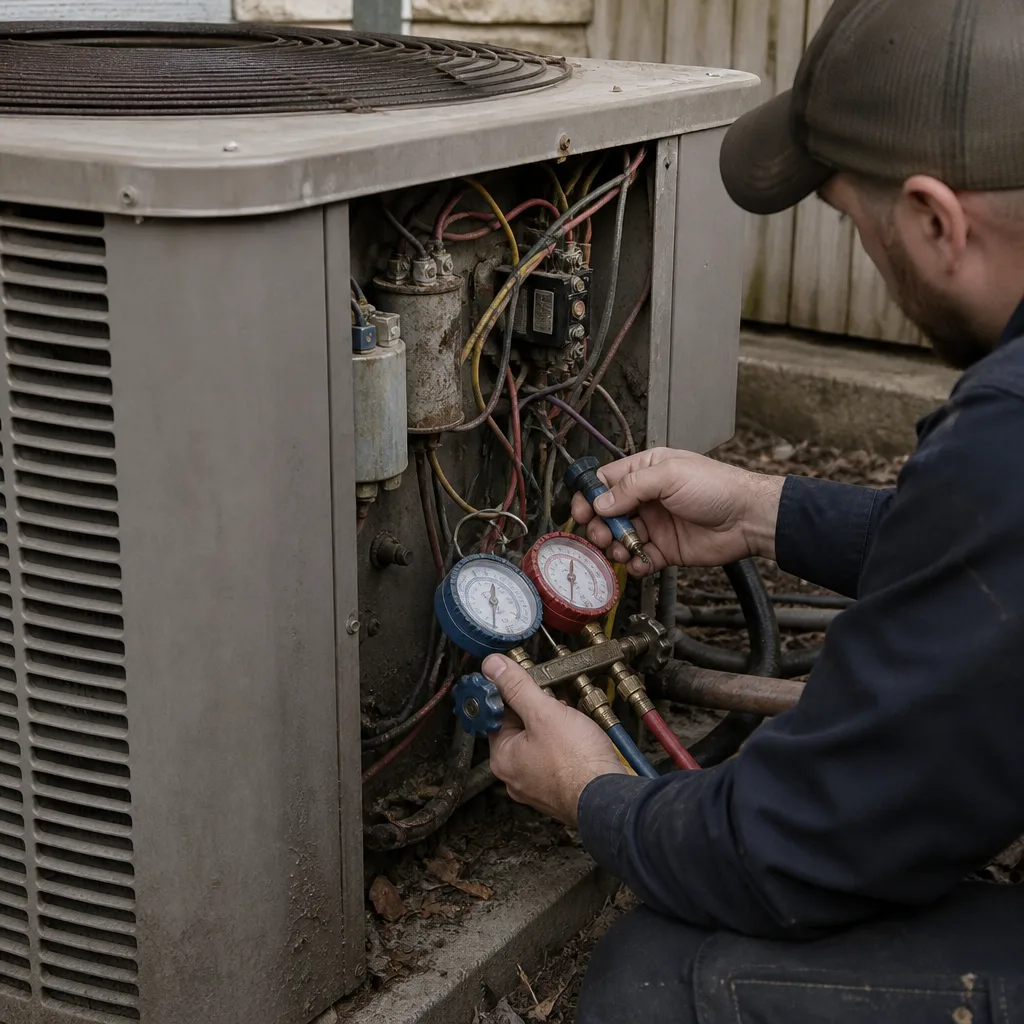 Before
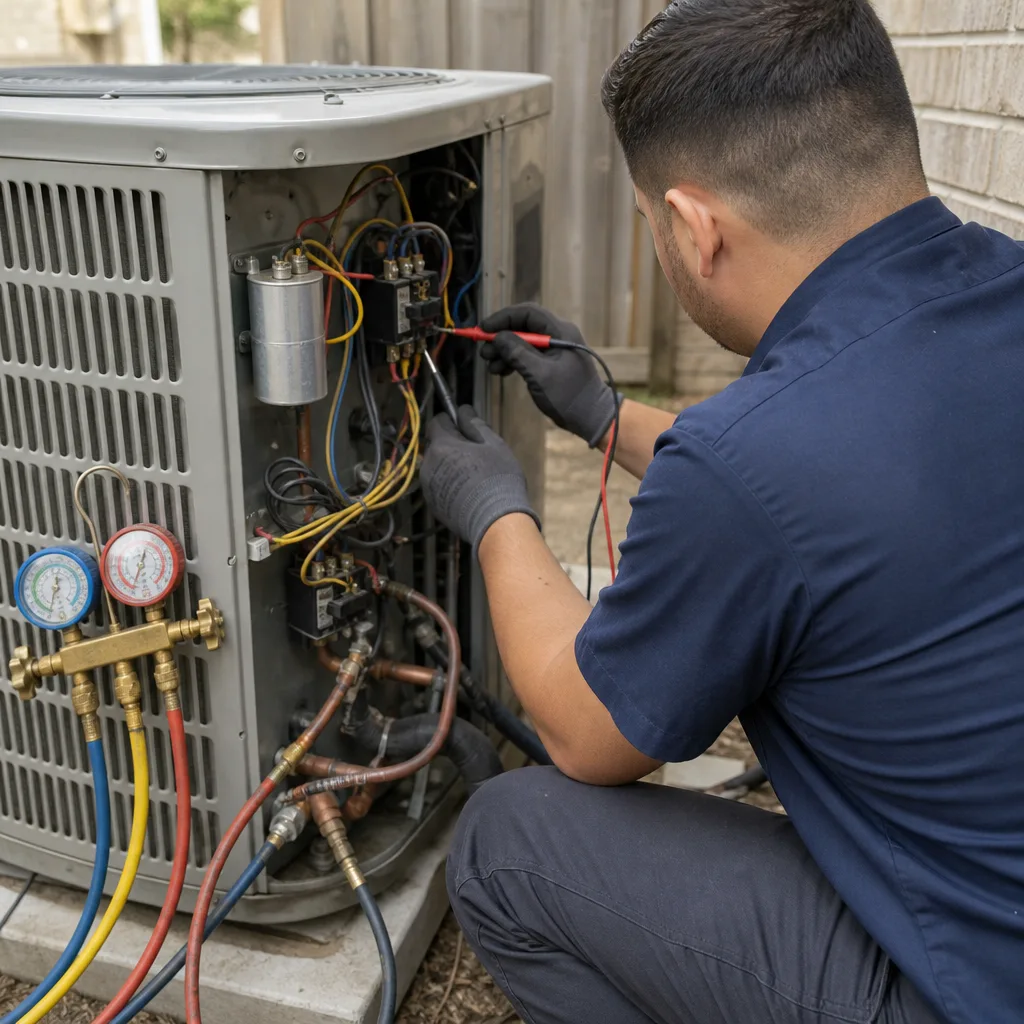 After
After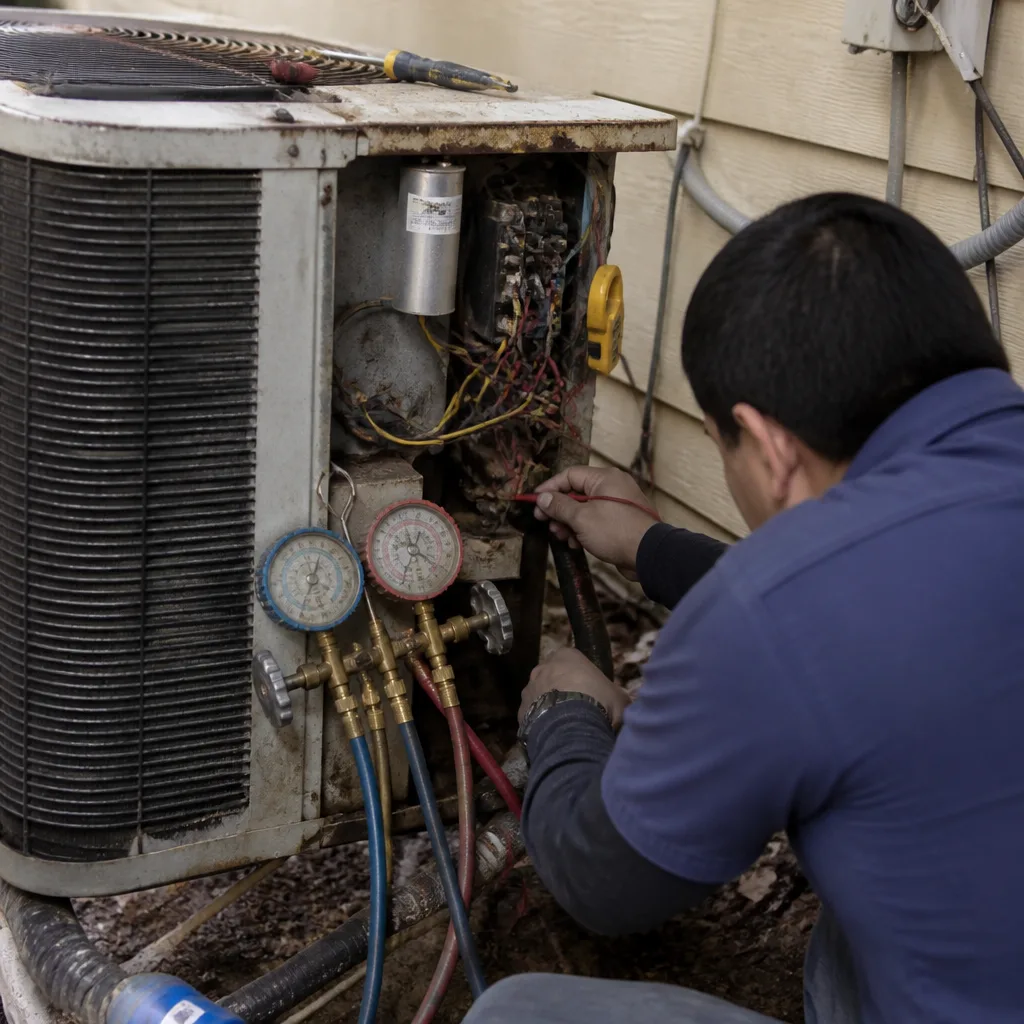 Before
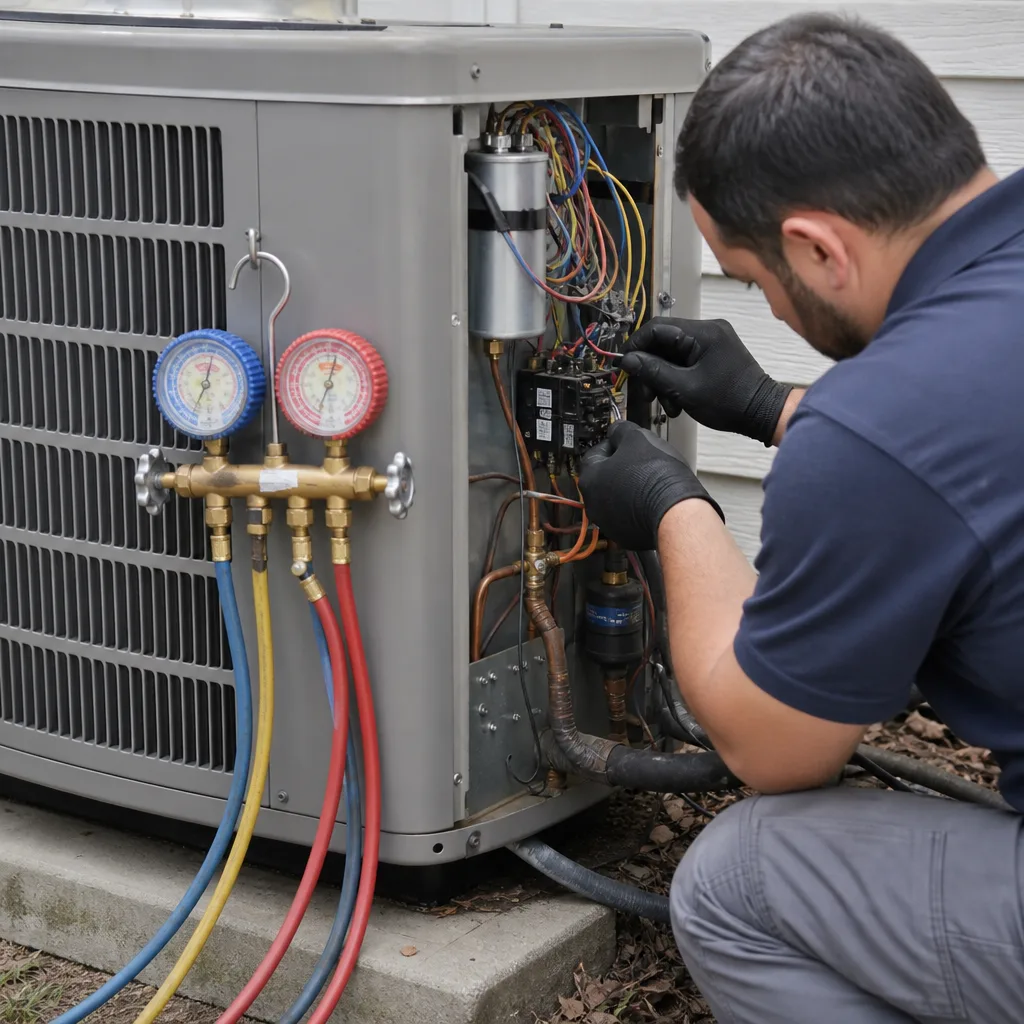 After
After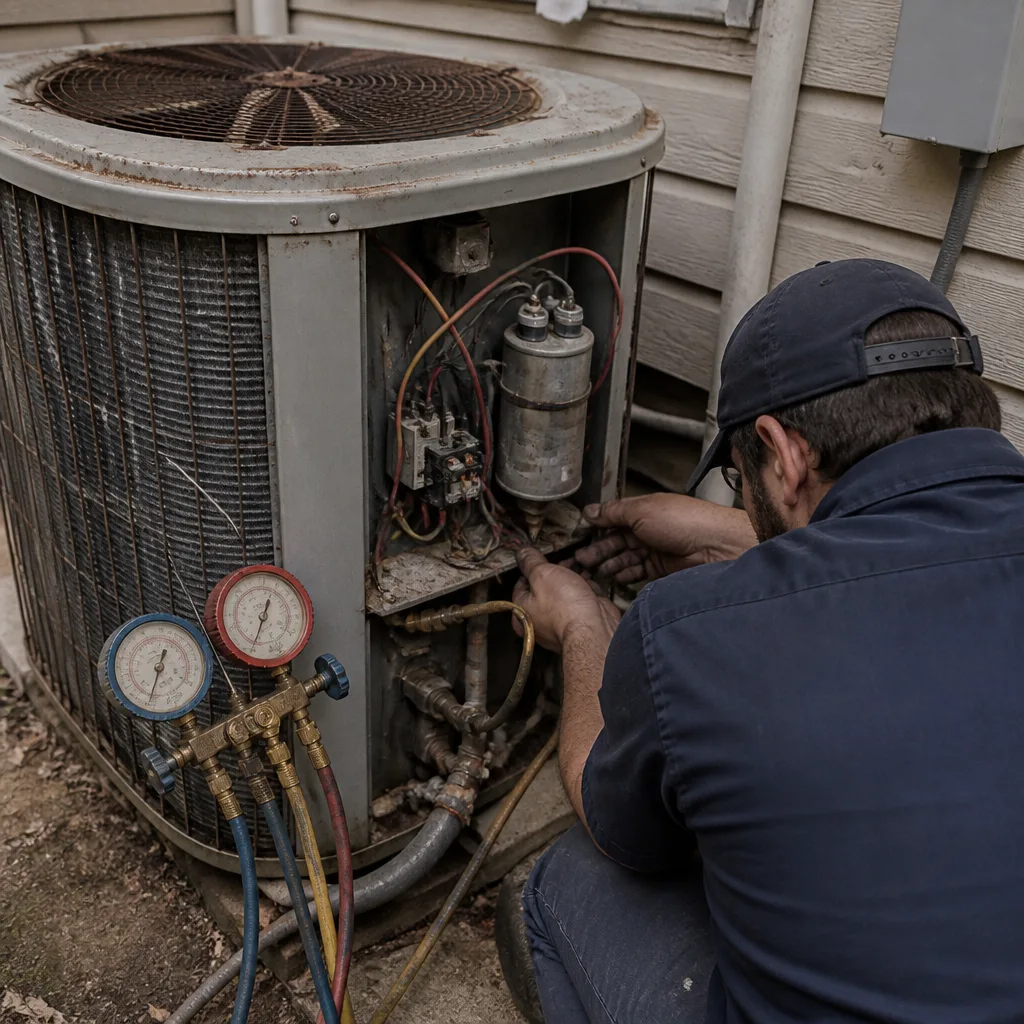 Before
 After
AfterReplacement Cost & What’s Included
Bryant heat pump service in Fort Worth falls into clear price bands. A capacitor, contactor, or defrost sensor replacement runs $150 – $325 installed. A reversing valve solenoid or defrost board runs $275 – $475. A fan motor or compressor replacement runs $400 – $650, with compressor jobs sometimes exceeding that depending on refrigerant recovery and recharge requirements.
Every quote from Dalton Heating & Air Fort Worth is written, itemized, and handed to you before any work begins. The price you see is the price you pay. No “oh, we found something else” add-ons at the end of the job. The written guarantee covers the repair for a full year. If the same part fails again within twelve months, we return and fix it at no charge. That’s the Garrison Code, and it applies to every Bryant heat pump service call we run in Fort Worth.
What’s included in the price: the part, the labor to install it, testing to confirm the system runs correctly in both heating and cooling modes, and cleanup of the work area. We don’t charge a separate dispatch fee, and we don’t mark up parts beyond what any honest shop would.
DIY or Call Us?
Bryant heat pump service is not a DIY project for most parts. The outdoor unit contains high-voltage electrical components, and the compressor terminals carry 240 volts. A capacitor holds a charge even after the power is off and can knock you on your back if you touch the wrong terminal. This is not a scare tactic; it’s the same warning any licensed HVAC technician would give you. The defrost board and contactor sit inside the same electrical compartment, so poking around in there without training is a genuine risk.
What you can safely do: check your air filter, confirm the thermostat is set correctly, and make sure the outdoor unit isn’t buried in leaves or blocked by a fence panel. Beyond that, call (817) 730-5369. Marco Benitez and the crew have been diagnosing Bryant heat pumps in Fort Worth long enough to tell the difference between a capacitor problem and a compressor problem from the way you describe the sound over the phone. Tell me what it’s doing, and we’ll tell you what it needs.
FAQs
A Bryant heat pump in Fort Worth typically lasts twelve to fifteen years with regular maintenance. Our summers are the limiting factor; a unit that runs hard from May through September every year accumulates wear faster than the same unit in a milder climate. Heat pumps in Fort Worth often need their first major repair, usually a capacitor, contactor, or defrost board, between years six and nine.
Almost every Bryant heat pump component we replace is a sealed, non-serviceable part. Capacitors, contactors, defrost boards, reversing valve solenoids, and fan motors are replaced, not repaired. The only component we commonly repair rather than replace is the reversing valve body itself, which can sometimes be freed with a careful tap, but that’s a temporary fix at best. We’ll tell you straight if a repair is a band-aid. Call (817) 730-5369 for an honest assessment.
Most Bryant heat pump service calls in Fort Worth take forty-five minutes to two hours on site. A capacitor, contactor, or defrost sensor is under an hour. A reversing valve or fan motor is one to two hours. A compressor replacement is a half-day job because it involves refrigerant recovery, vacuum, and recharge. We’ll give you a time window before we start, and we hit it.
Yes. Our trucks carry the common Bryant heat pump service parts: run capacitors, dual capacitors, contactors, defrost boards, reversing valve solenoids, and universal fan motors. For larger items like compressors or proprietary Evolution control boards, we source from local supply houses in Fort Worth and typically have the part the same day or next morning. We also stock parts for Carrier, Trane, and Lennox heat pumps, since many Fort Worth homes have mixed-brand systems.
Written by Marco Benitez, Owner, Dalton Heating & Air Fort Worth at Dalton Heating & Air Fort Worth, serving Fort Worth and nearby areas.