
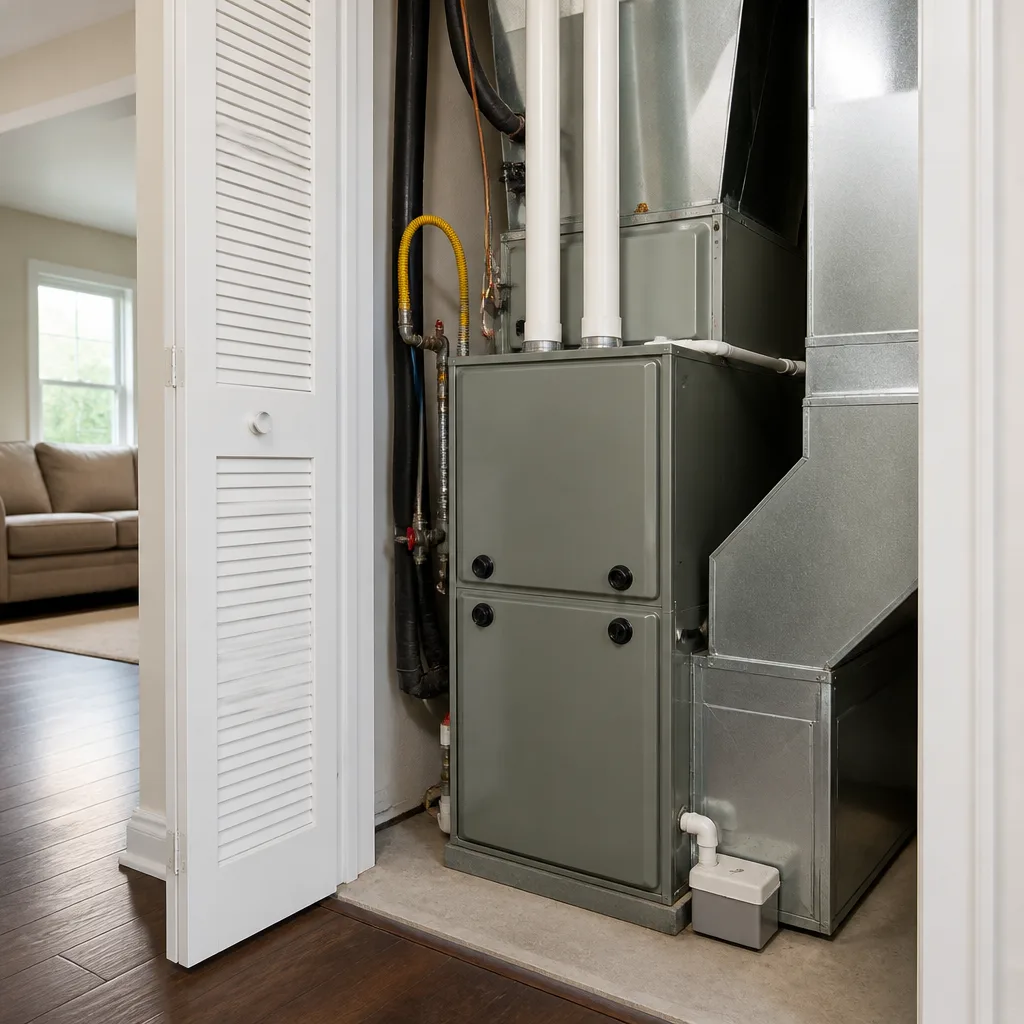
 Furnace & heating
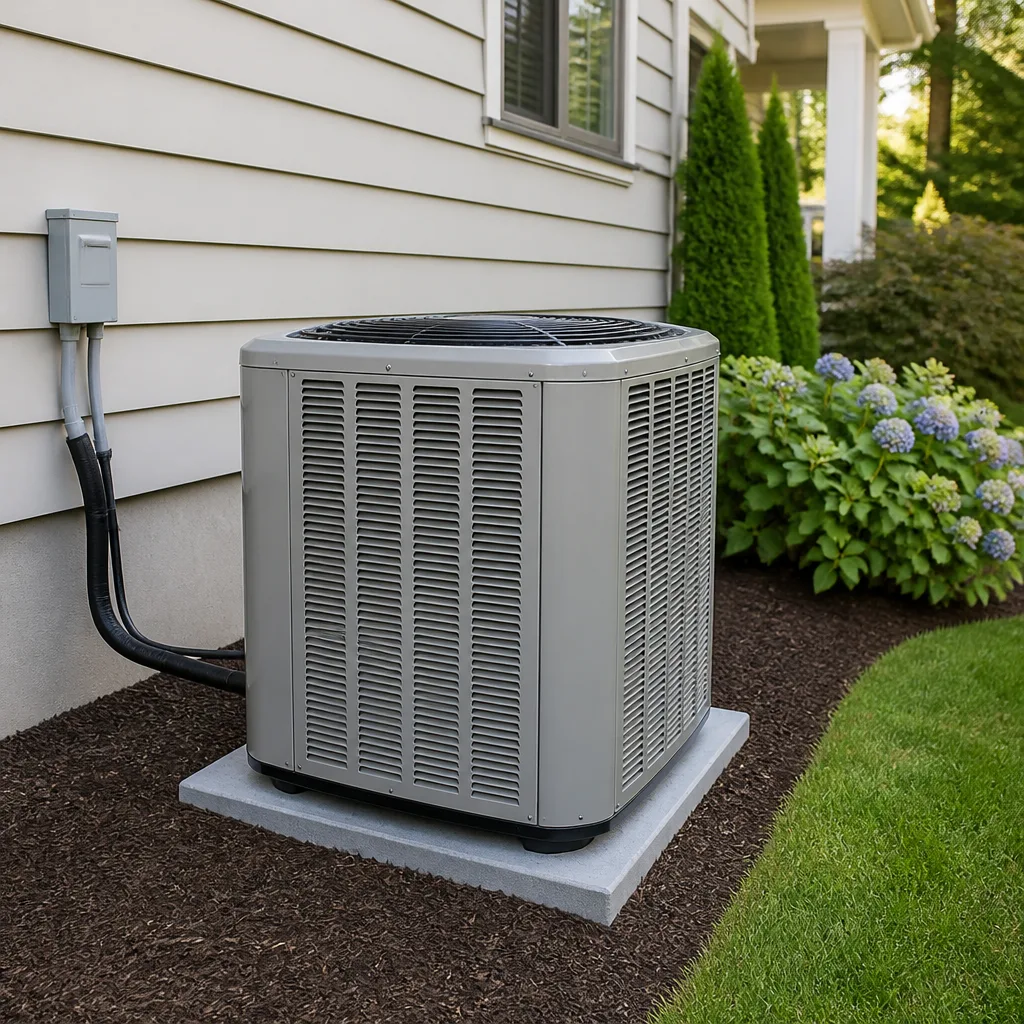 AC repair
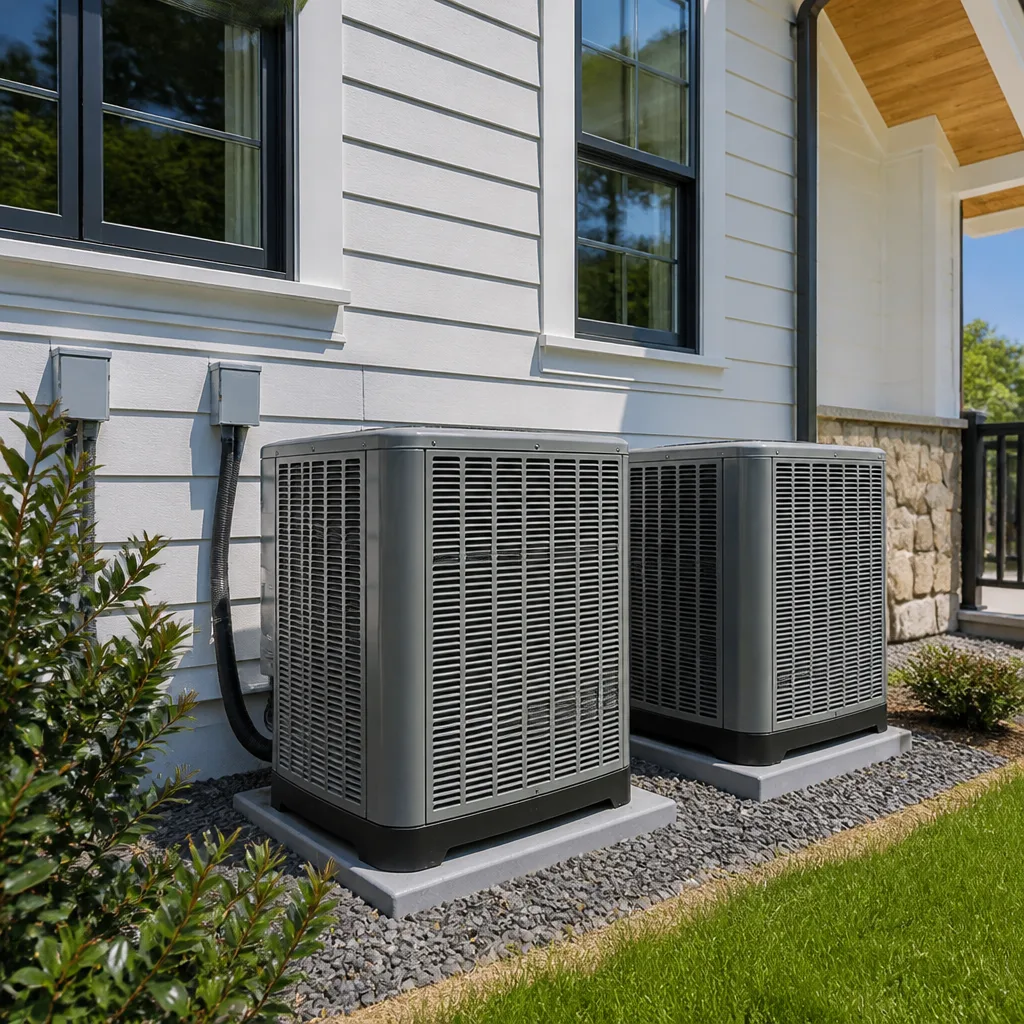 Heat pumps
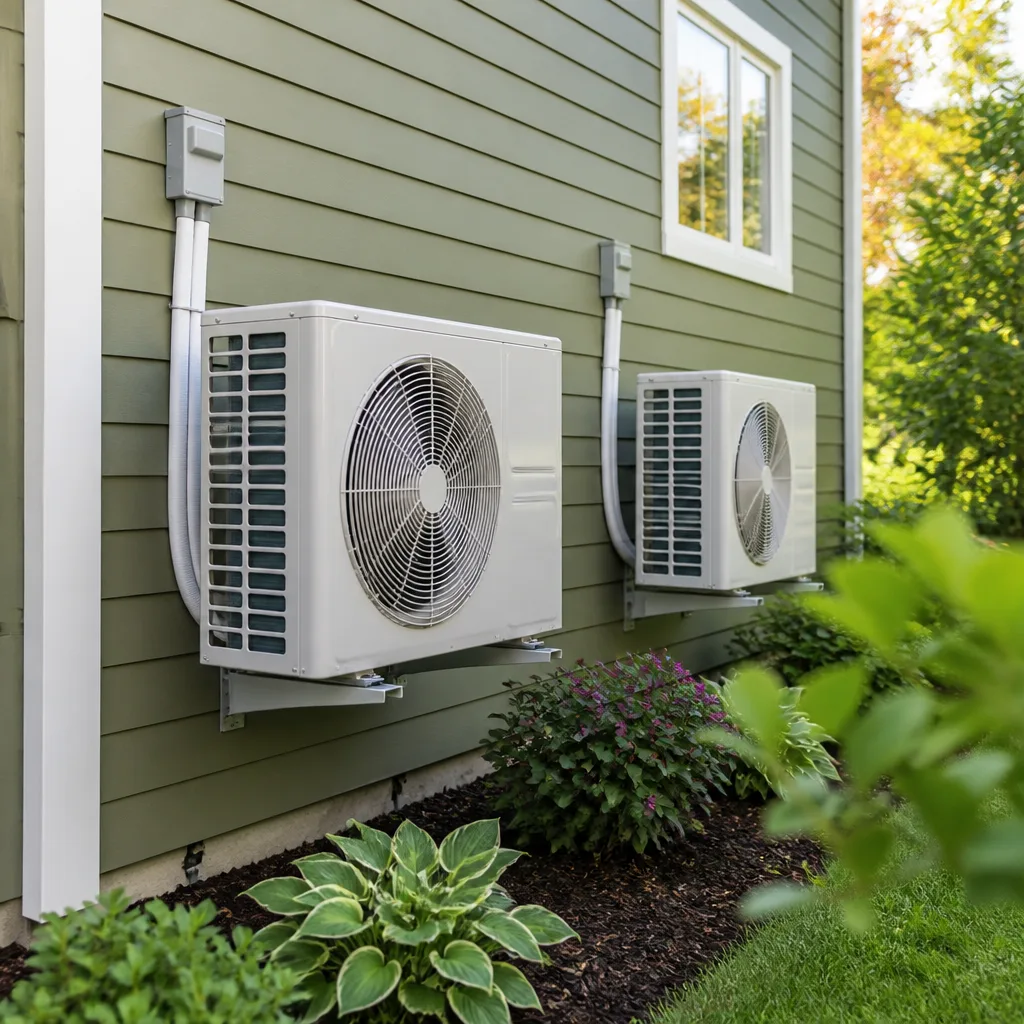 Ductless mini splits
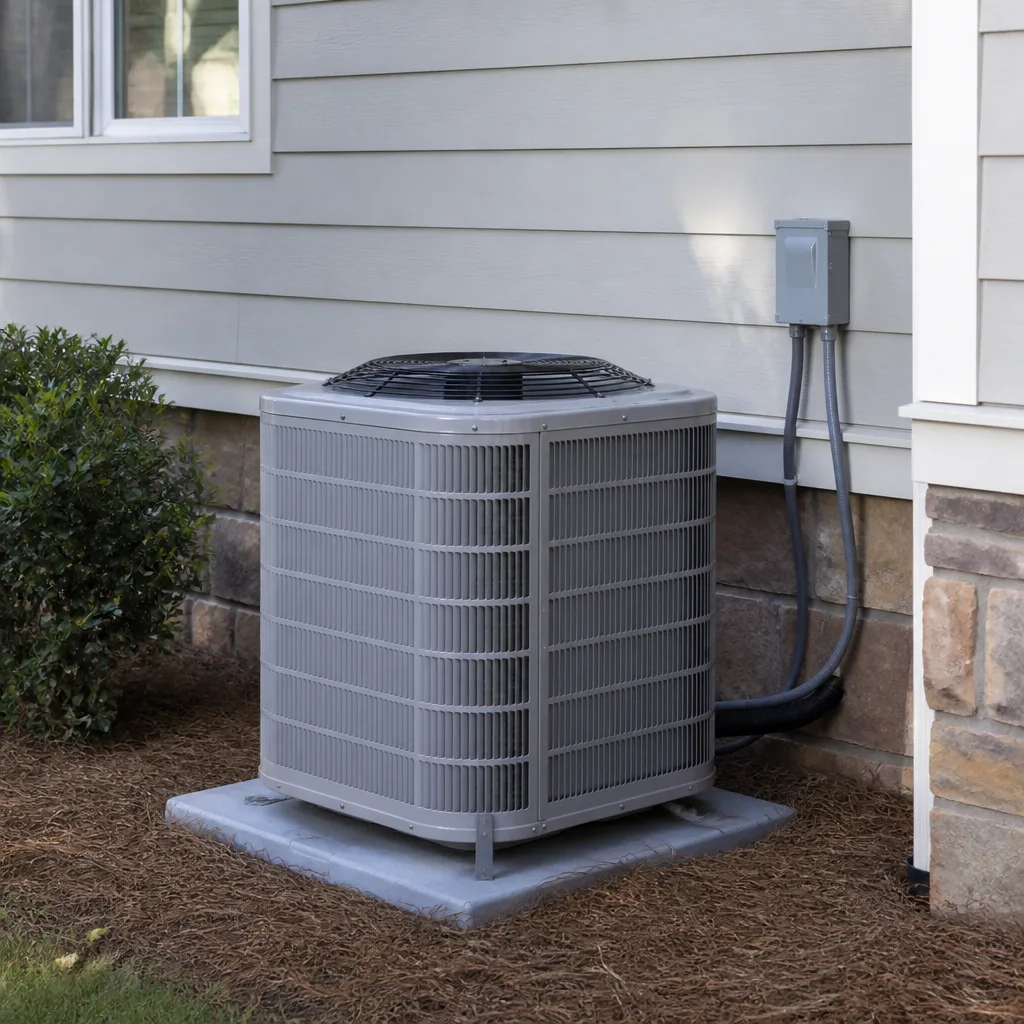 Carrier
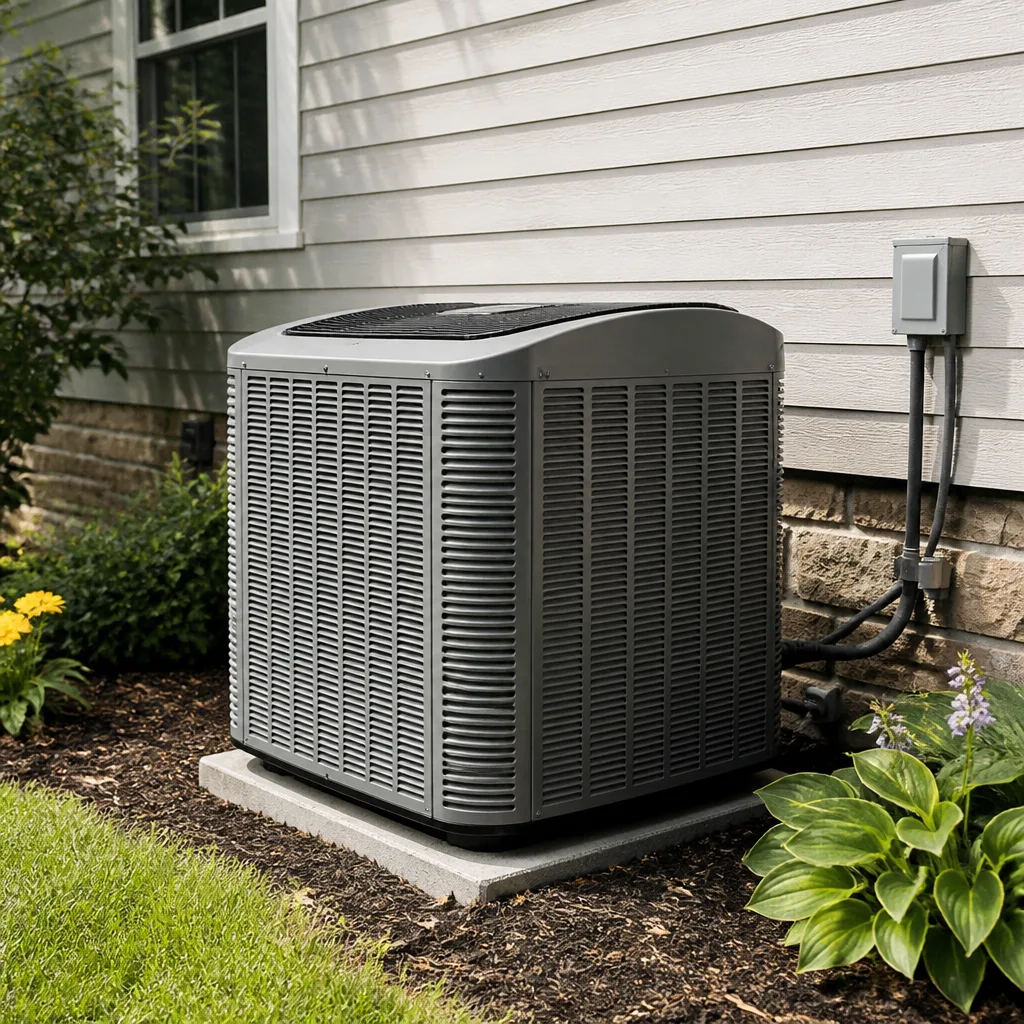 Trane
Trane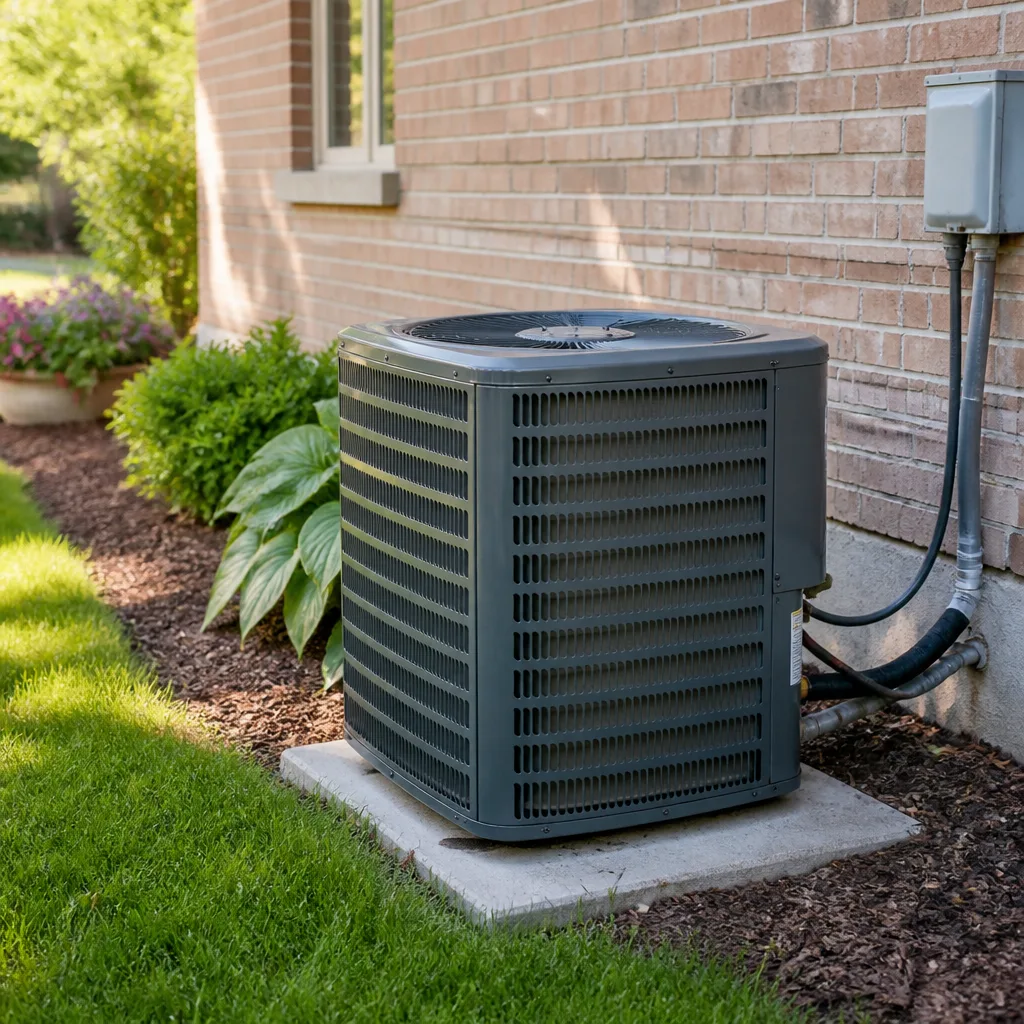 Goodman
Seasonal tune-up and full diagnostic on your Carrier, Trane, or Goodman system - readings shown to you before any repair is proposed
Diagnosis first, numbers second - you approve the repair price before a single part goes in.
Get your free estimateGoodman Thermostat Installation: The Fort Worth Owner’s Guide
Most Goodman thermostat installations in Fort Worth run between $180 and $420 installed, depending on the thermostat model you choose and whether any low-voltage wiring needs attention. We carry Goodman-compatible smart and programmable thermostats on our trucks, so in most cases we can complete the swap same-day. The typical call starts with a homeowner noticing the house won’t hold temperature, the display is blank, or the system short-cycles and won’t respond to setting changes.
Here’s the thing about thermostats: they rarely announce their own death. You notice it in the way the house feels at 3 a.m., or you catch the AC running when the set point says it shouldn’t. By the time most Fort Worth owners call us, they’ve already changed the batteries, flipped the breaker, and stared at the wiring plate for ten minutes. That’s exactly the right time to bring in someone who can tell you in thirty seconds whether the thermostat is actually the problem or a symptom of something downstream.
Which Goodman Models This Applies To
The good news is that Goodman thermostats are not proprietary in the way some brands try to make them. If you own a Goodman furnace, air handler, split AC, or heat pump from the GSX, GSZ, GMH, GME, GMS, GPH, or AVPT series, the control wiring is standard 24-volt low-voltage, and nearly any name-brand thermostat will talk to it. What matters is the number of wires behind the plate and whether your system is single-stage, two-stage, or variable-speed.
Here’s the compatibility gotcha we see regularly in Fort Worth: some Goodman systems installed between roughly 2010 and 2018 used a communicating thermostat, specifically the ComfortNet CTK04 or CTK04AA. That thermostat uses four wires and a proprietary communication protocol. You cannot swap a CTK04 for a Nest or an EcoBee without rewiring and adding a conventional thermostat interface, and sometimes you lose staging control in the process. If your Goodman thermostat has four small wires and a display that shows ComfortNet or CTK, tell the tech on the phone before booking. It changes which parts we load.
For everything else, the OEM-versus-aftermarket conversation is straightforward. Goodman-branded thermostats are made for Goodman by third-party manufacturers and carry the same feature set as a quality aftermarket Honeywell or Emerson unit at roughly the same installed price. We recommend aftermarket when you want features Goodman’s own line doesn’t include, like geofencing or humidity-based overcooling. We recommend OEM if you want the simplest possible interface and a direct match for an old unit. Marco Benitez will tell you the same thing: “Tell me what it is doing, and I will tell you what it needs.”
Styles & brands we work with
Signs Your Goodman Thermostat Installation Is Failing
- Blank or flickering display with fresh batteries. This usually points to a lost common-wire connection or a failing thermostat transformer. The thermostat still has power at the plate, but the processor no longer drives the display reliably. In Fort Worth’s summer heat, a blank thermostat means a silent system, and a silent system means an uncomfortable house fast.
- The system runs but won’t reach set temperature. Either the thermostat’s temperature sensor has drifted out of calibration, or the unit is wired to the wrong staging terminal. A sensor reading five degrees high in July will run the AC to the brink and still feel warm upstairs.
- Short-cycling: the unit turns on and off every few minutes. Often a failing anticipator or a bad relay contact inside the thermostat, but it can also be a low-voltage wiring issue. What matters is that short-cycling is hard on compressors, and Fort Worth summers are already hard on equipment. It’s worth fixing promptly.
- Display works, buttons respond, but the system doesn’t kick on. This is the classic open-relay failure. The thermostat thinks it’s calling for cooling, but the relay no longer closes the circuit to the condenser. The thermostat has failed while the equipment is fine.
- Wrong temperature shown versus a separate thermometer. We see this on older thermostats that have sat in direct afternoon sun through a west-facing Fort Worth window for a decade. The sensor drifts or the housing absorbs heat and throws the reading off. The fix is a new thermostat or a relocation, and moving a thermostat line is a small job when the wall is accessible.
See the difference
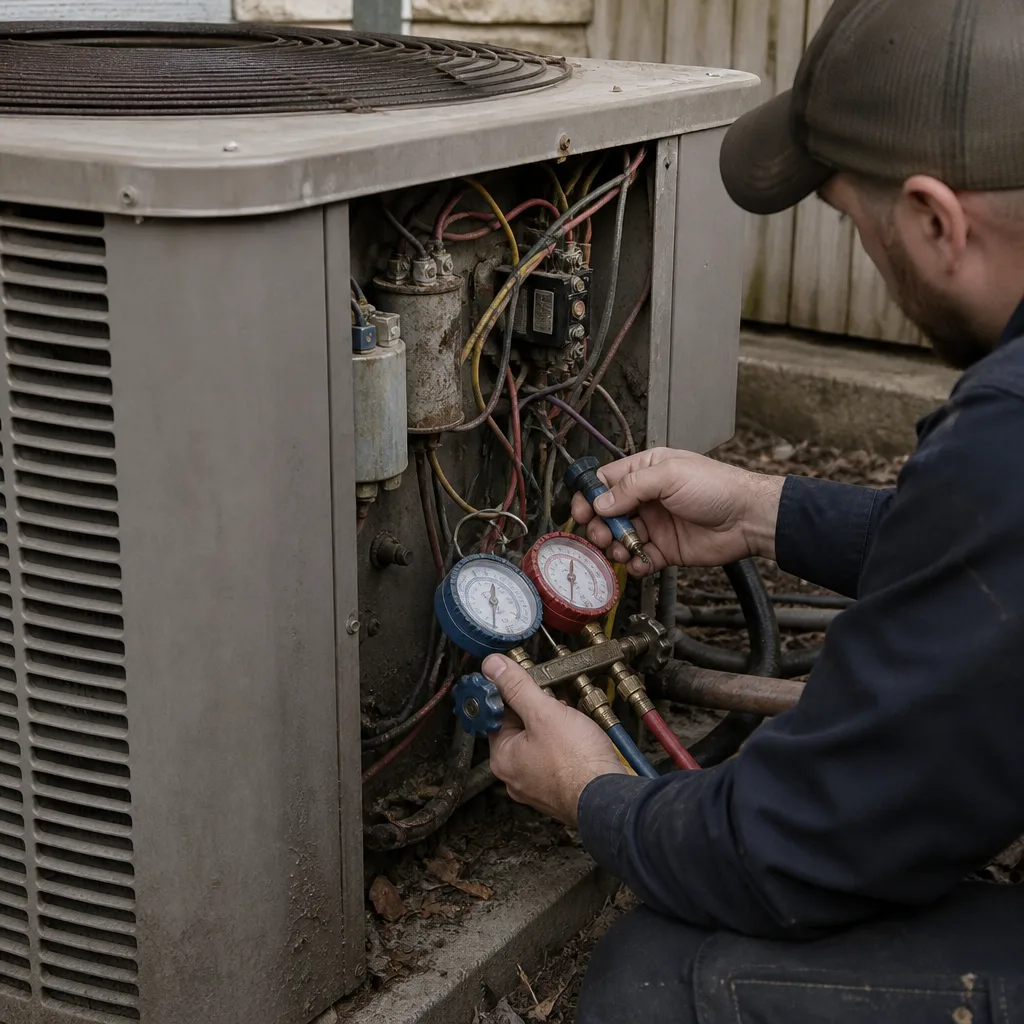 Before
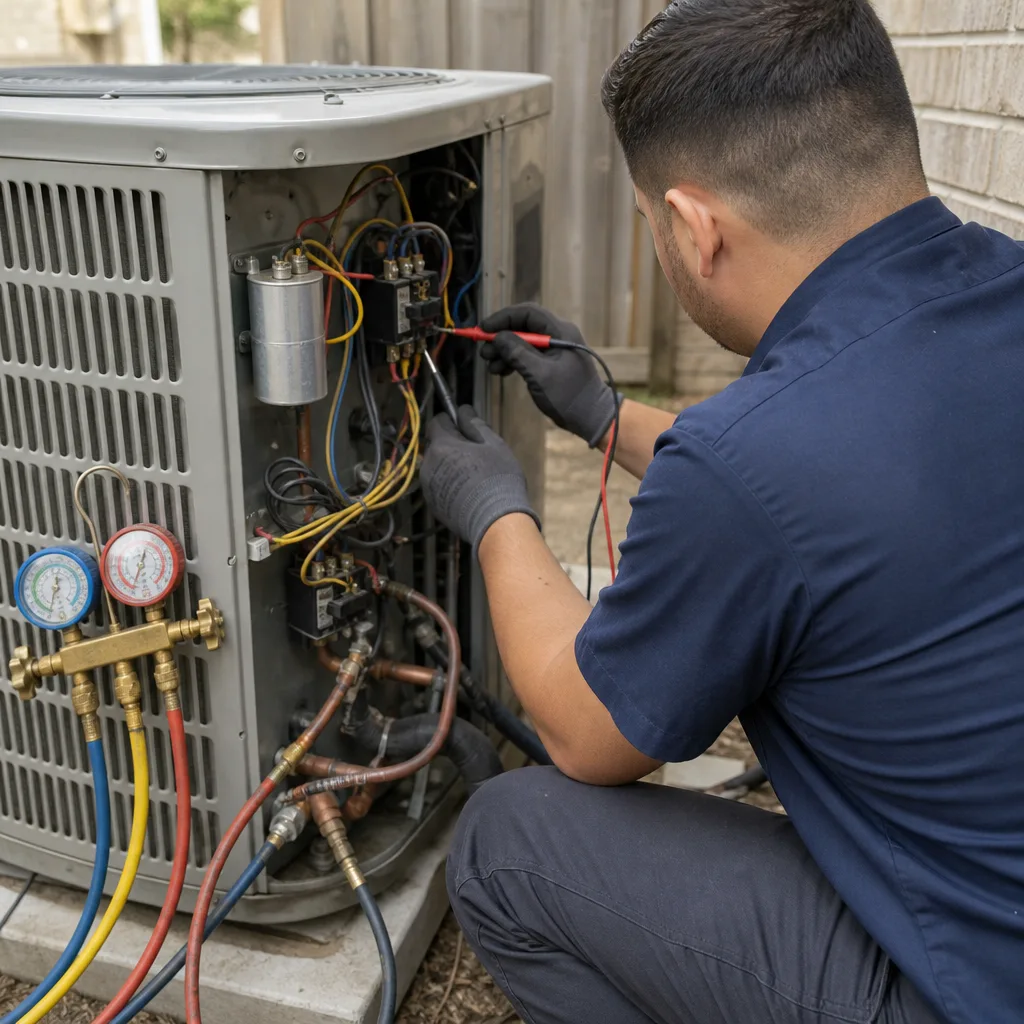 After
After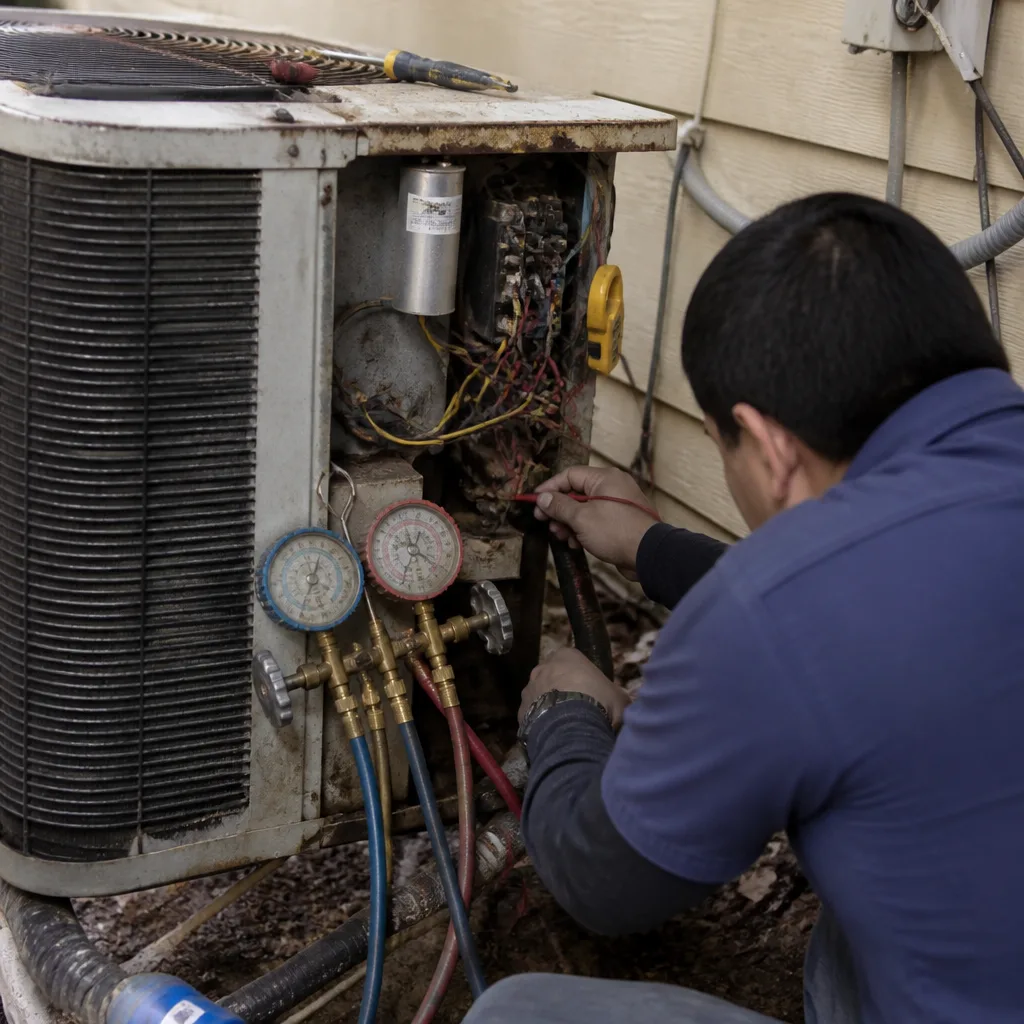 Before
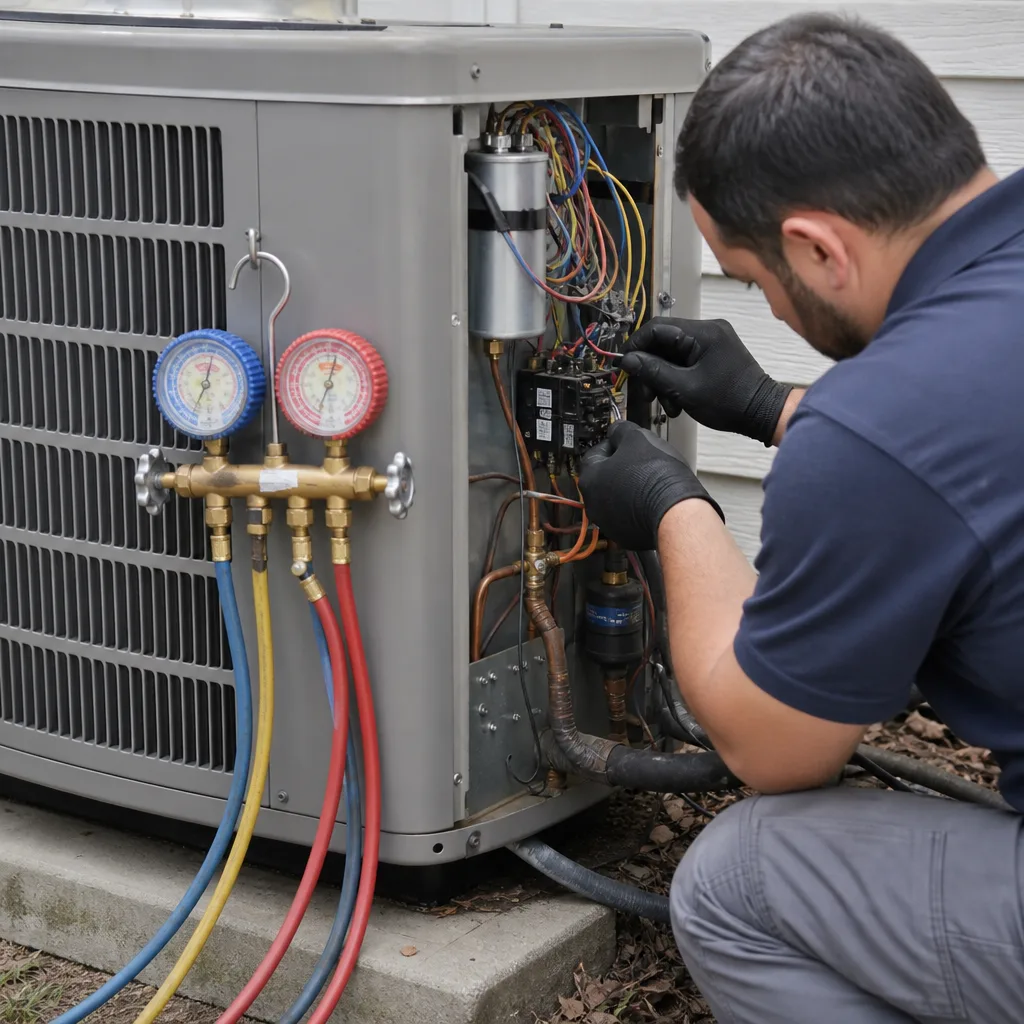 After
After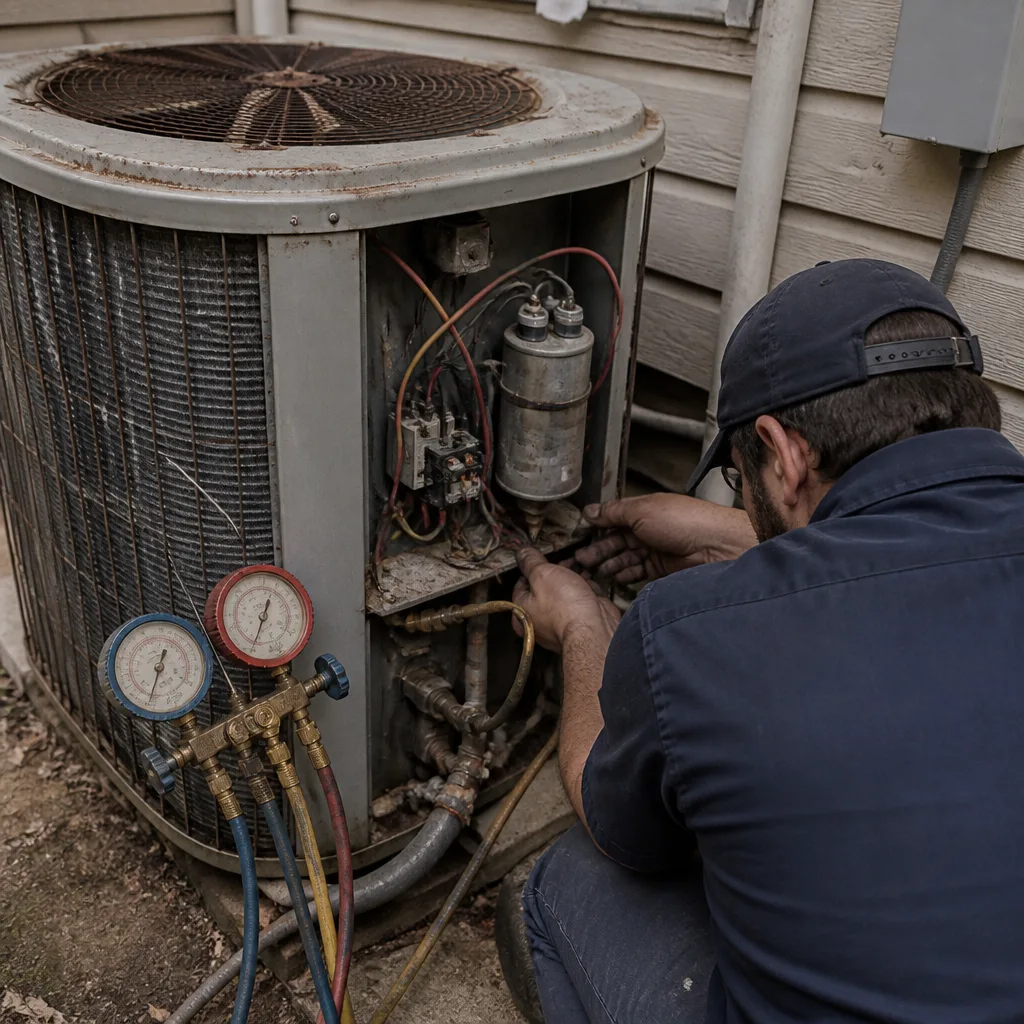 Before
 After
AfterReplacement Cost & What’s Included
Here’s the straight number for Fort Worth: a basic non-programmable thermostat install runs $180 to $260. A standard programmable or Wi-Fi smart thermostat runs $260 to $420 installed. Those prices include the thermostat itself, the labor to remove the old unit and mount the new one, wiring verification at the furnace or air handler, and a system test to confirm staging, fan, and heat strips all respond.
What drives the range: thermostat model, wiring condition, and access to the air handler. If the old wire is brittle, has only four conductors when you need five, or shows signs of heat damage at the furnace end, pulling a new low-voltage wire can add $80 to $150 depending on the run. Every quote is in writing before we start, per The Garrison Standard, and the full repair is covered by a written one-year guarantee. If it fails inside that year, we return at no charge. That’s not an upgrade. That’s the default.
DIY or Call Us?
Replacing a thermostat sounds easy, and sometimes it is. You can safely check a few things before calling: confirm the breaker is on, confirm the batteries are fresh and seated correctly, and check whether the wiring plate is tight and no small wires have pulled loose. That’s the reasonable DIY ceiling for low-voltage control work.
Where DIY goes wrong is when someone decides to “just move some wires around” on a live circuit, or they attempt to convert a ComfortNet communicating system without understanding the protocol mismatch. We’ve also seen a homeowner fry a control board by not killing the 24-volt transformer during the swap. The thermostat itself runs on low voltage, but the air handler and furnace still carry 120-volt and 240-volt circuits. One wrong wire, one hot terminal, and you’ve turned a $250 thermostat job into a $700 control board replacement. If you’re not completely sure what you’re looking at, call us at (817) 730-5369 and we’ll handle it the same day in most Fort Worth neighborhoods.
Goodman Thermostat Installation FAQs
A well-installed thermostat in a typical Fort Worth home lasts 10 to 15 years. Failures before that usually come from direct sun exposure, attic or wall heat, or power surges. Sensor drift is often the first sign, not a total failure.
Rarely, and usually not worth it. Failed relays can sometimes be replaced, but the labor to diagnose and repair a $60 board inside a $200 thermostat doesn’t pencil out. Replacement is faster, cleaner, and covered by a full-year written guarantee from us.
Most single-stage thermostat swaps take 45 to 90 minutes from arrival to system test. We test heat, cool, and fan at the end. If new wire needs to be pulled or the system uses ComfortNet communicating protocol, add about an hour.
Yes. We carry basic programmable and smart thermostats on the truck, plus ComfortNet-compatible replacements for two-stage and communicating Goodman systems. If you need a specific model we don’t have in stock, we can usually source it same-week. Call (817) 730-5369 and we’ll tell you what’s on the truck today.
If you have a single-stage or basic two-stage system, yes, it’s usually a straightforward upgrade that gives you scheduling, remote control, and mild energy savings on Fort Worth’s hottest stretch. If you have a communicating ComfortNet system, the easiest path is staying within that thermostat family. We’ll walk you through the trade-offs before you spend a dollar.
No. We’re an independent service provider in Fort Worth that installs and services Goodman equipment along with Carrier, Trane, and Lennox. We’re not owned by Goodman and we don’t work on their behalf, which means we can be honest about what’s worth fixing and what’s worth replacing.
Need a Goodman thermostat installed today? Call Dalton Heating & Air Fort Worth at (817) 730-5369 for a free estimate. We answer live, 24/7, and we’ll give you a written price before any work starts. The price on the quote is the price you pay, and the work is guaranteed in writing for a full year.
Written by Marco Benitez, Owner, Dalton Heating & Air Fort Worth, serving Fort Worth and nearby areas.