
 Furnace & heating
 AC repair
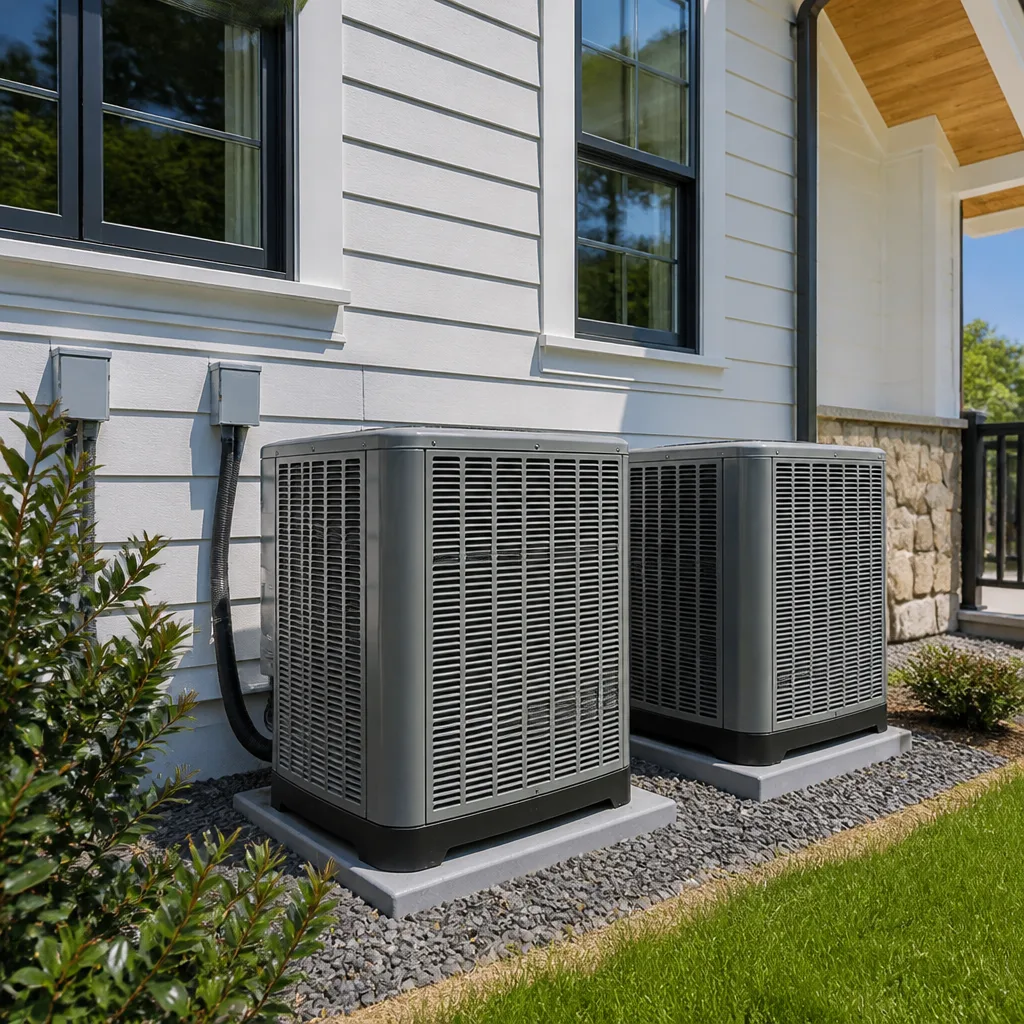 Heat pumps
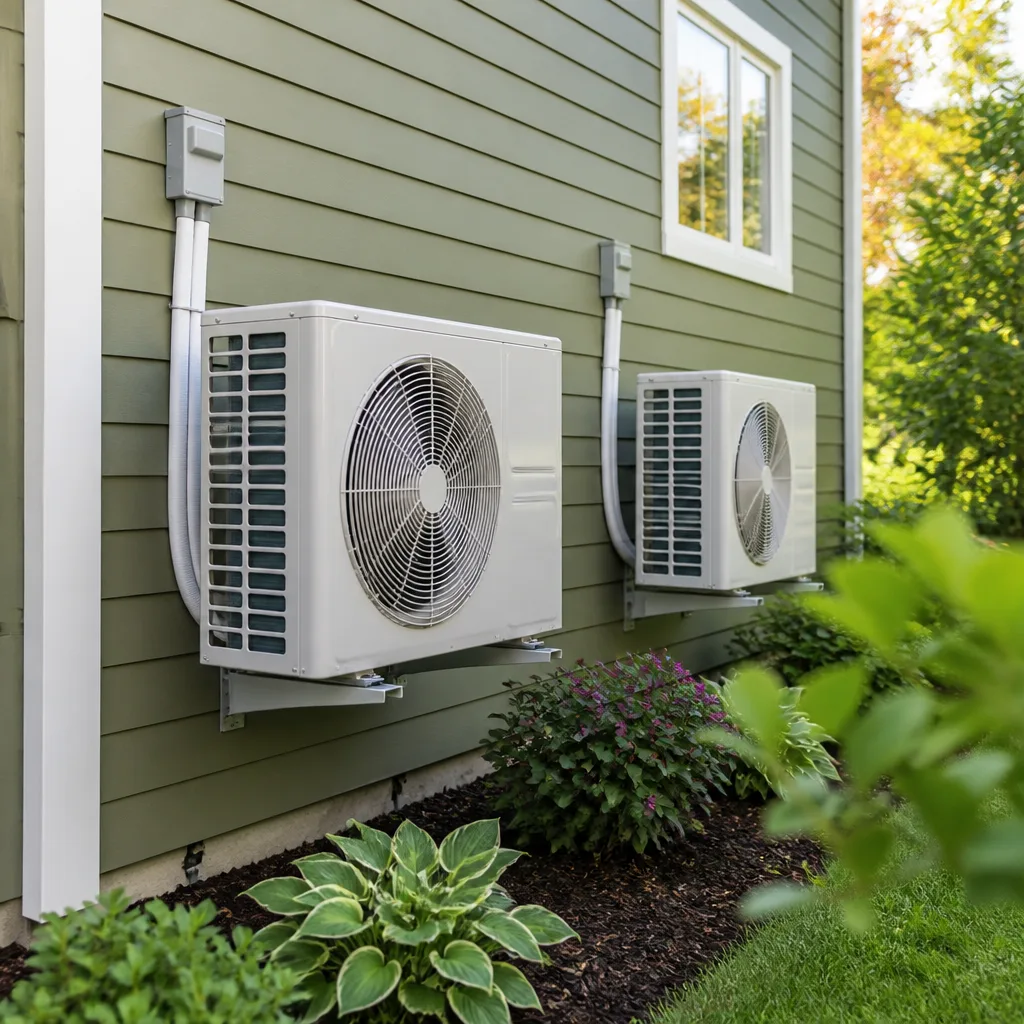 Ductless mini splits
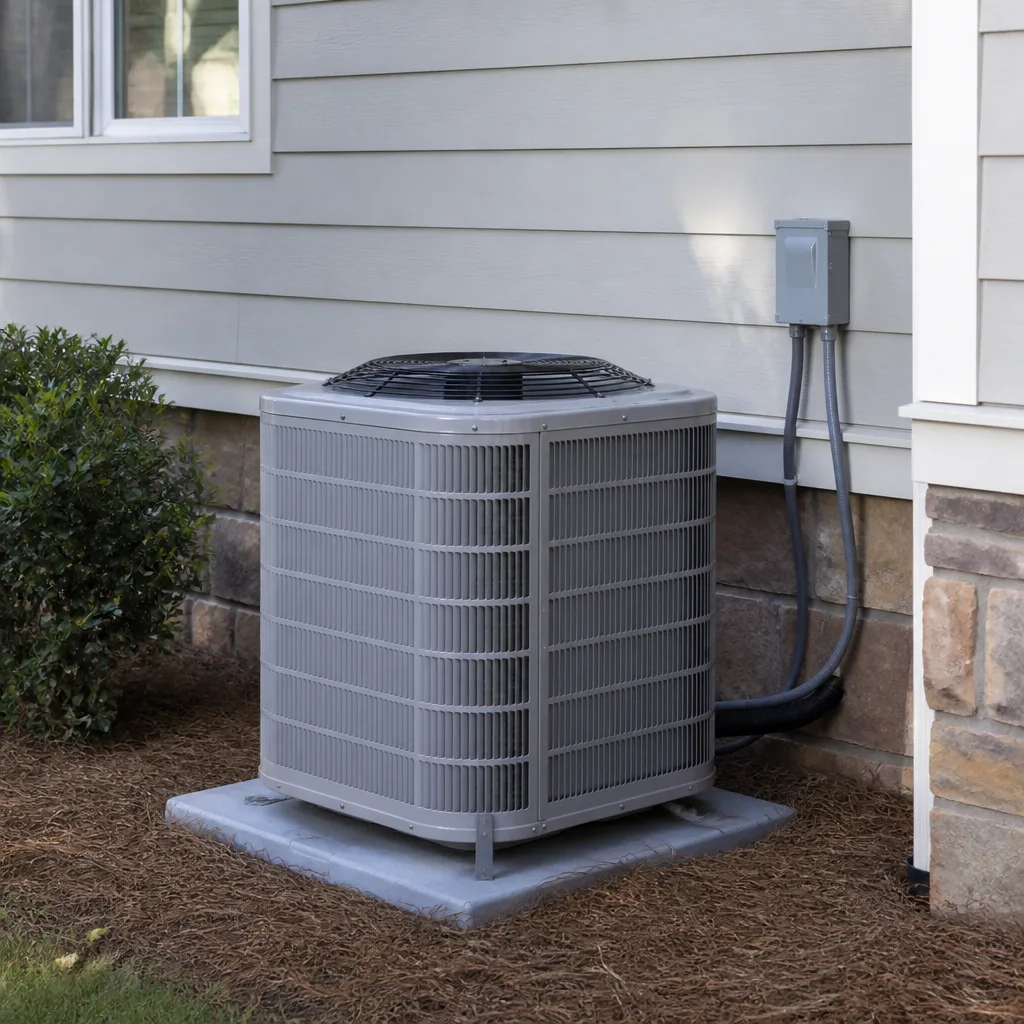 Carrier
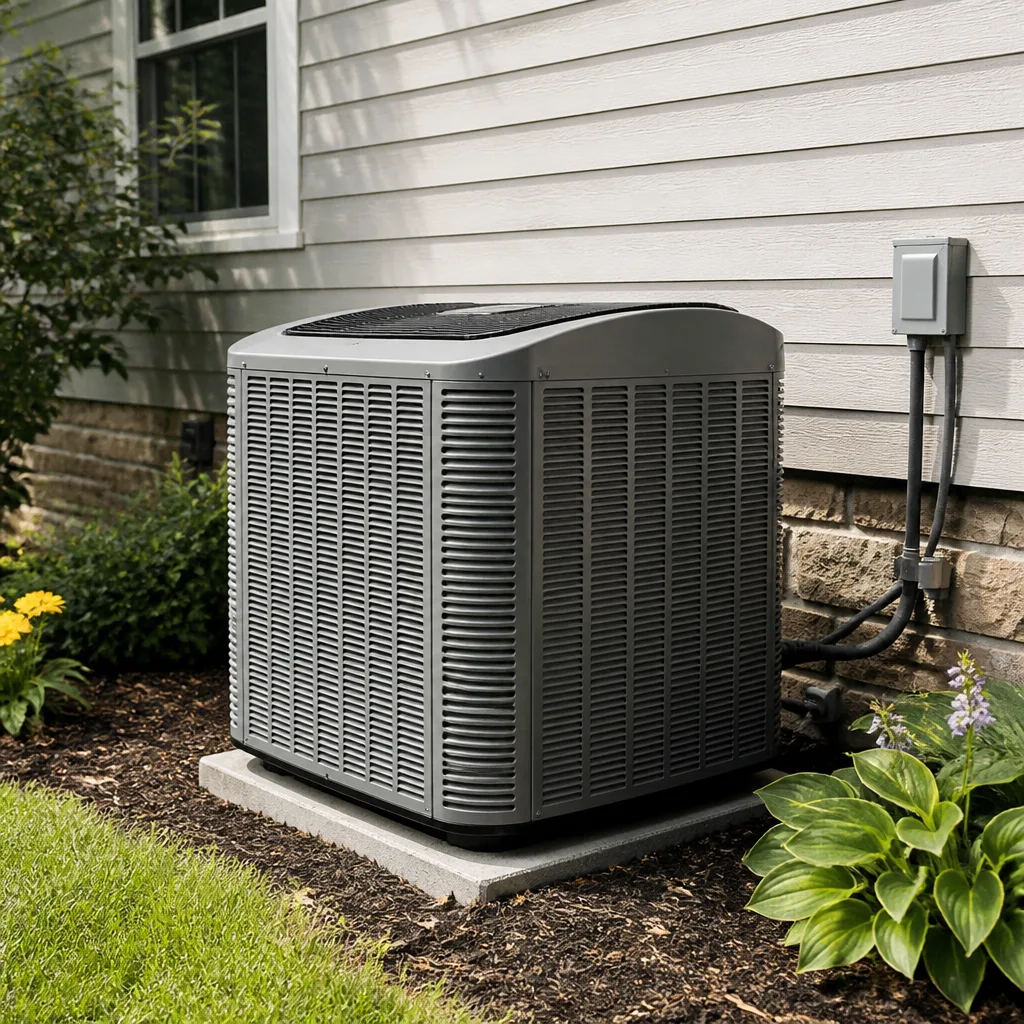 Trane
Trane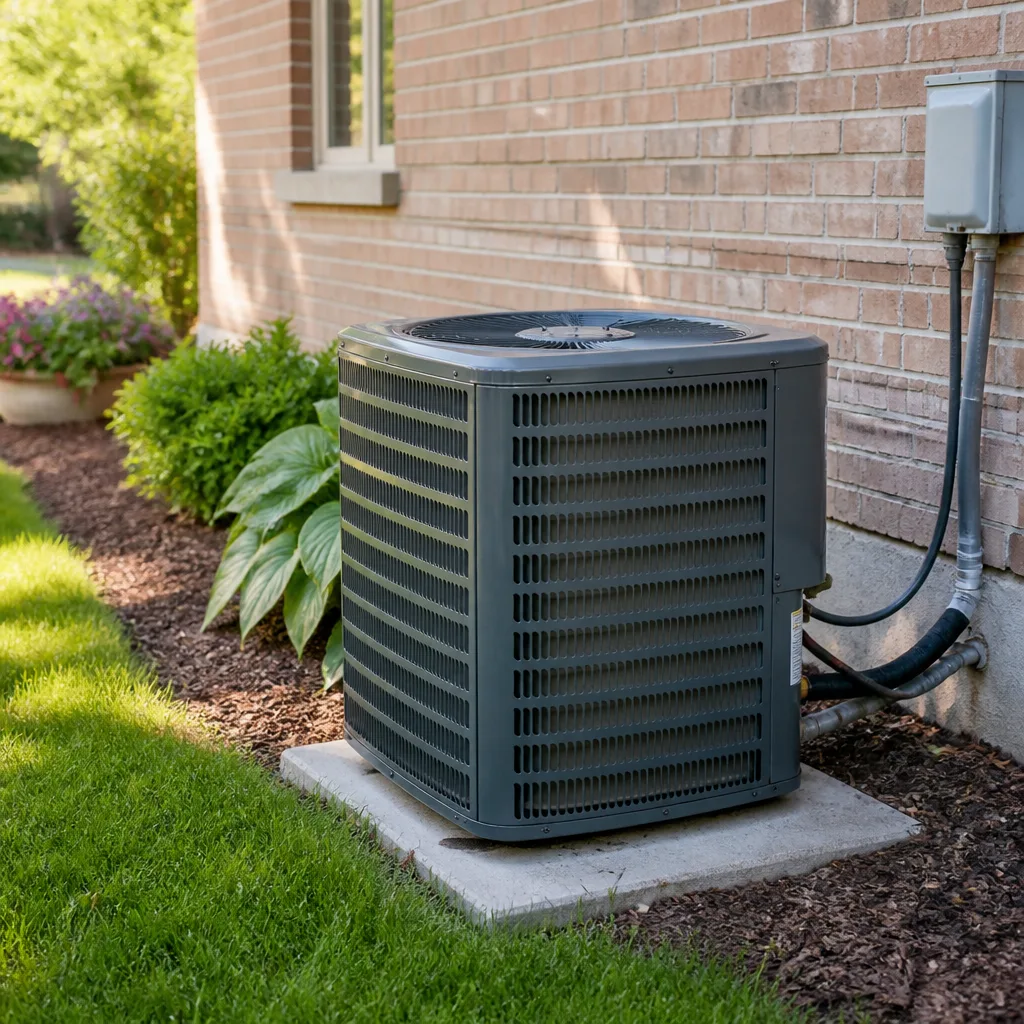 Goodman
Seasonal tune-up and full diagnostic on your Carrier, Trane, or Goodman system - readings shown to you before any repair is proposed
Diagnosis first, numbers second - you approve the repair price before a single part goes in.
Get your free estimateStyles & brands we work with
See the difference
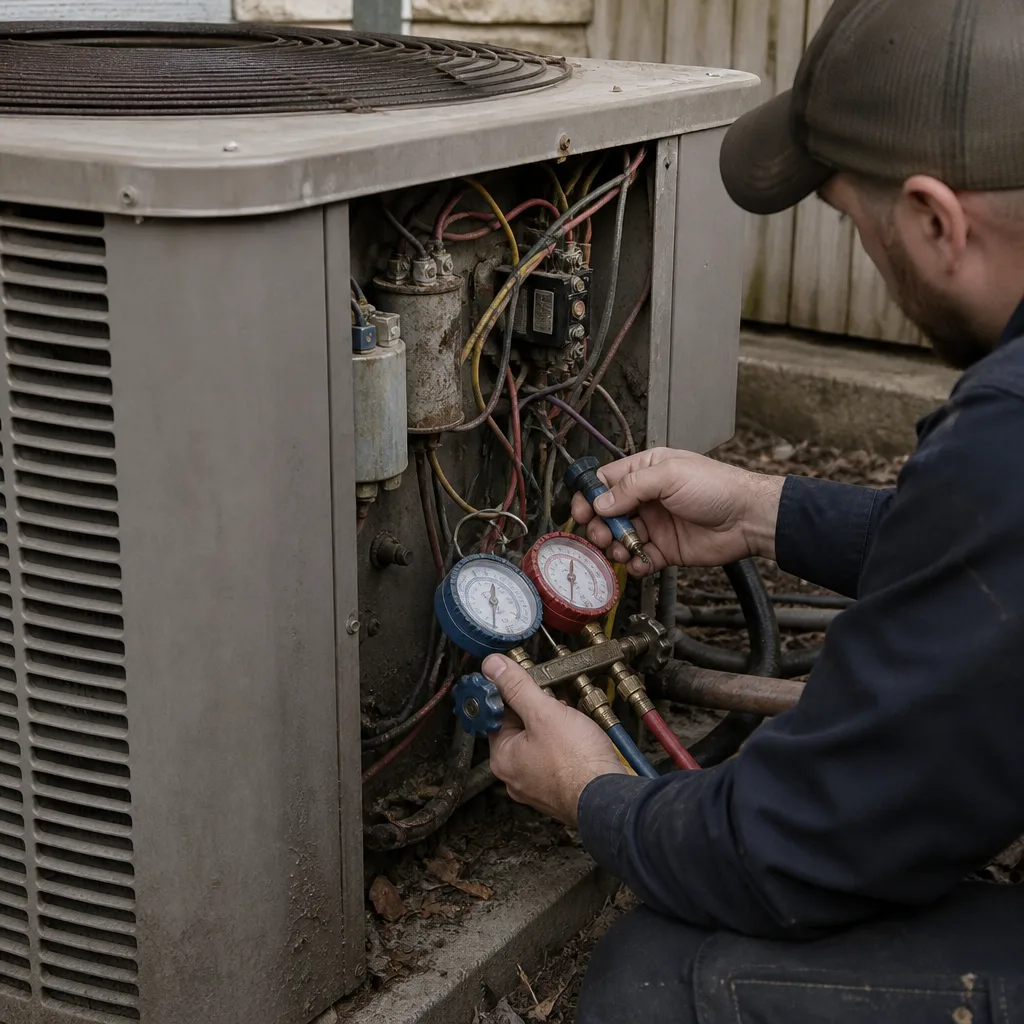 Before
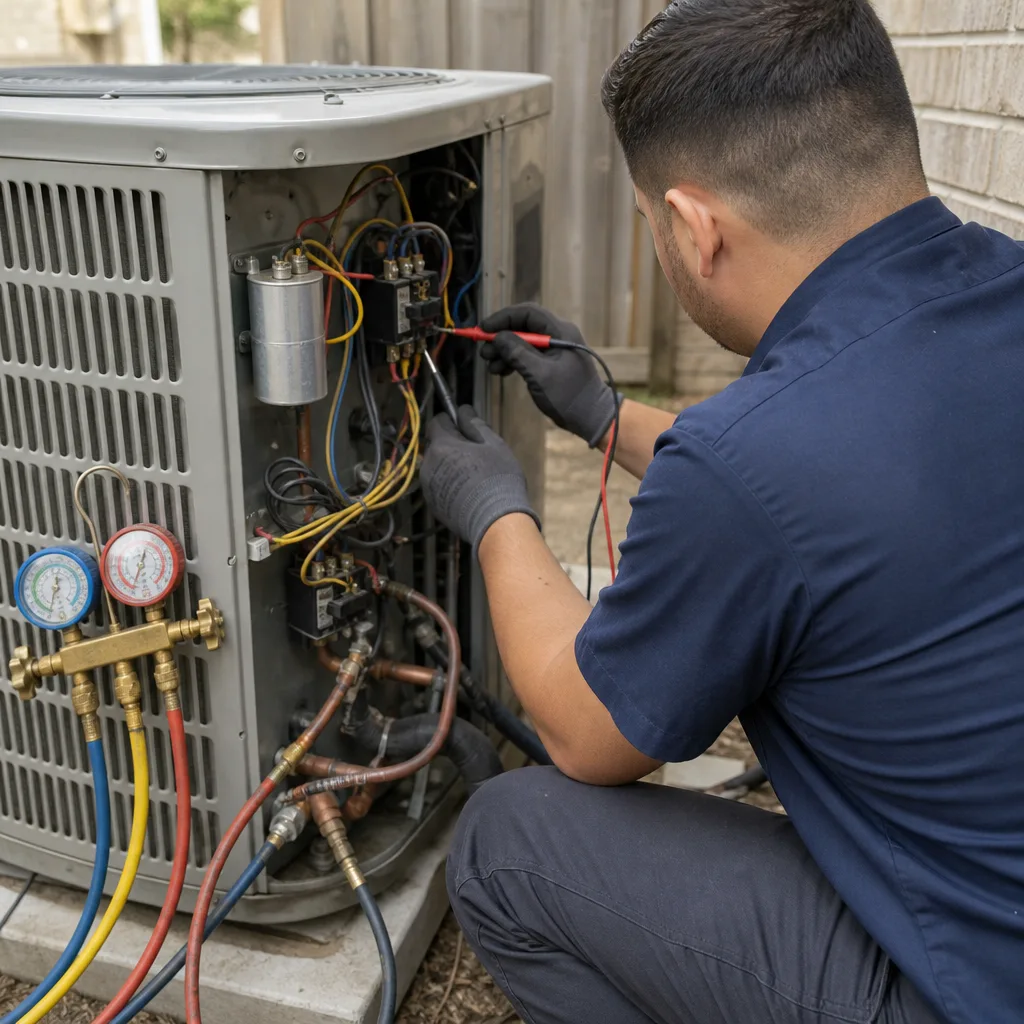 After
After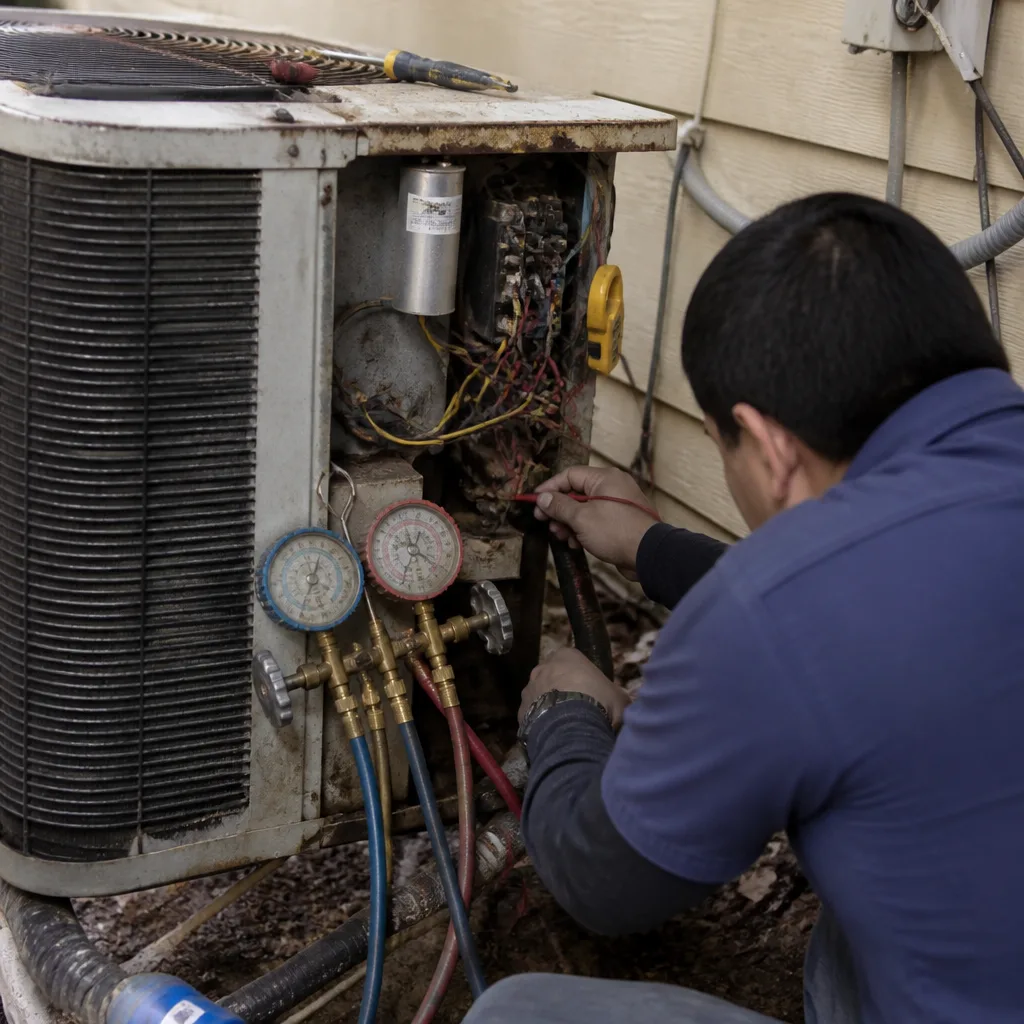 Before
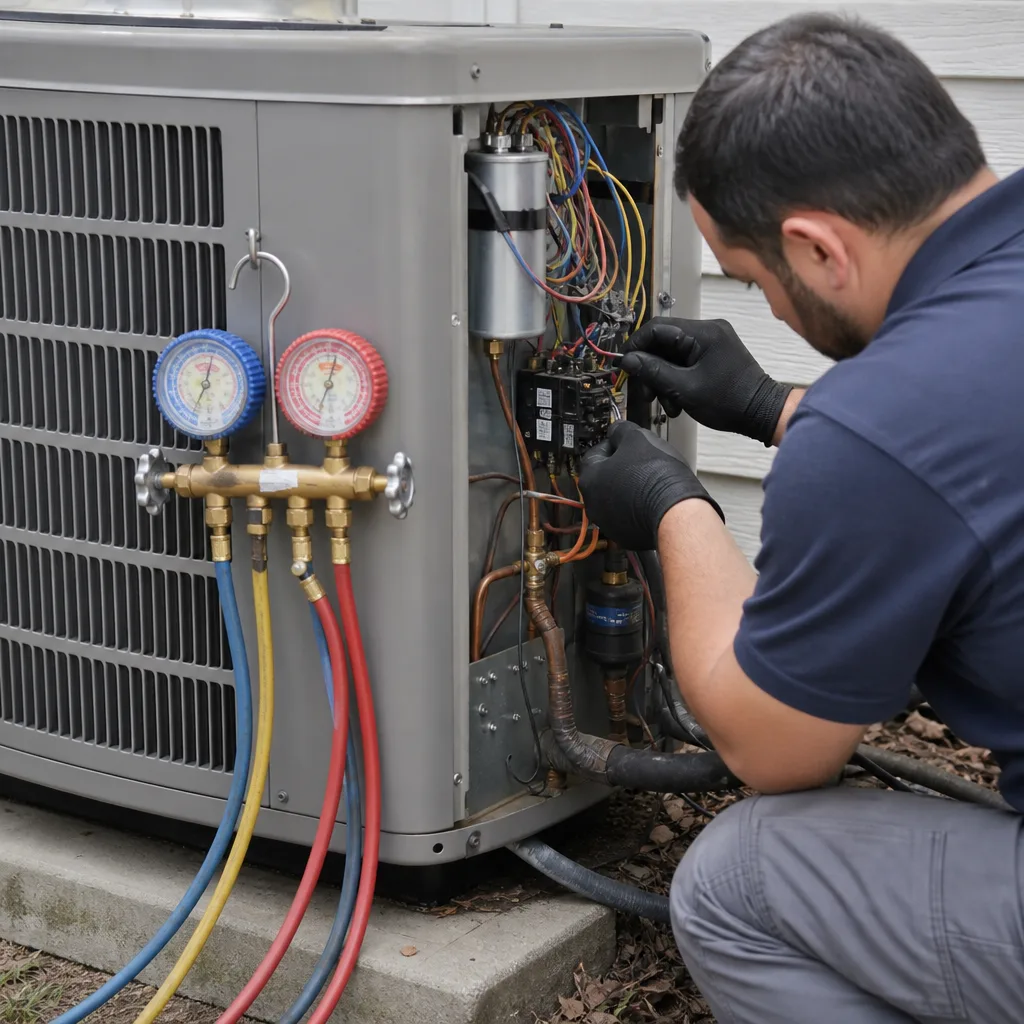 After
After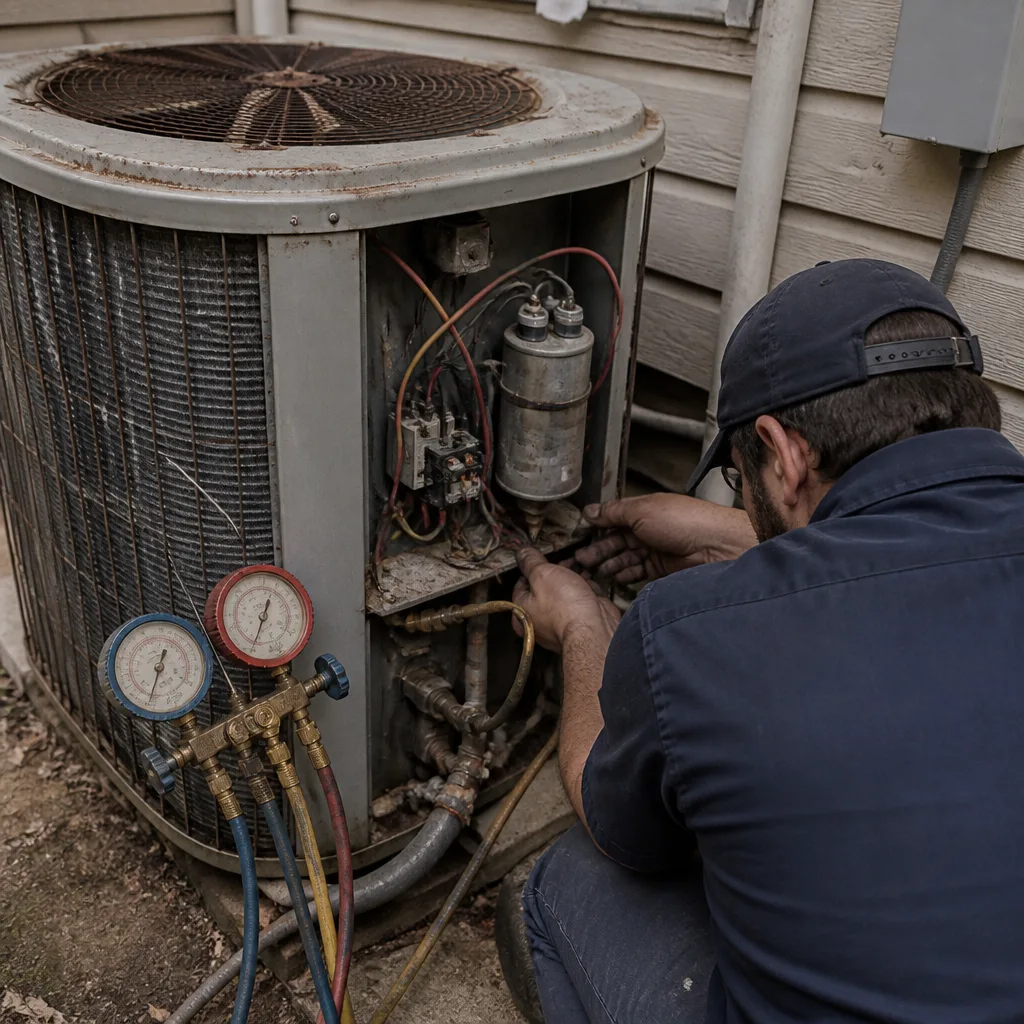 Before
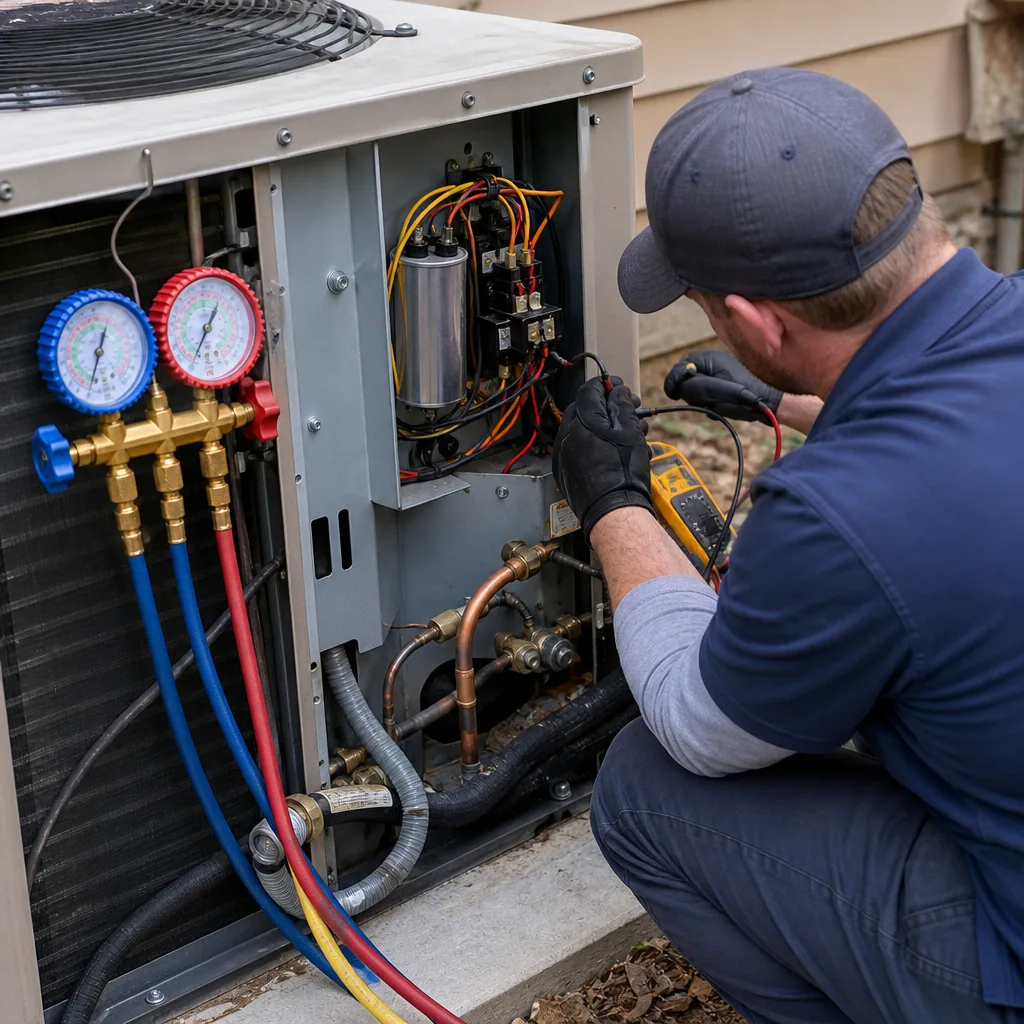 After
AfterHow Much Does Heat Pump Installation Cost in Fort Worth?
A new heat pump installation in Fort Worth typically runs between $4,800 and $9,500 for a complete system replacement in 2026, with most mid-range installations landing around $6,500 to $7,800. The final price depends on your home’s square footage, the heat pump’s efficiency rating (SEER2), and whether your existing ductwork needs modification.
If you’re replacing an aging furnace and AC combo with a single heat pump, you’re looking at $9,000 to $14,000 for a dual-fuel or full-conversion setup. Dalton Heating & Air Fort Worth gives every customer a written price before any work starts, so you’ll know the exact number before a single tool comes off the truck.
Key Takeaways:
- Typical heat pump replacement in Fort Worth: $4,800 – $9,500
- Most homeowners pay $6,500 – $7,800 for a mid-efficiency system
- Installation labor accounts for roughly 30 – 40% of the total job cost
- Higher SEER2 ratings cost more upfront but cut Fort Worth cooling bills meaningfully
- Dalton Heating & Air provides written pricing before work begins, on every job
Heat Pump Installation Cost Breakdown (2026)
Here’s what a heat pump installation in Fort Worth actually costs, line by line. These are the numbers we quote in Tarrant County, not national averages that don’t account for Texas heat loads and local labor rates.
| Cost Component | Typical Range (Fort Worth, 2026) |
|---|---|
| Heat pump unit (14 – 15 SEER2, 3-ton) | $3,200 – $4,800 |
| Heat pump unit (16 – 18 SEER2, 3-ton) | $4,500 – $6,500 |
| Heat pump unit (19+ SEER2, variable-speed) | $6,800 – $9,500 |
| Installation labor (crew of 2, 6 – 10 hours) | $1,400 – $2,800 |
| Line set replacement (copper refrigerant lines) | $400 – $900 |
| Electrical disconnect and whip replacement | $150 – $400 |
| Condenser pad or wall bracket | $75 – $250 |
| Duct modification (if needed) | $500 – $2,500 |
| Thermostat (smart or programmable) | $150 – $350 |
| Permit and city inspection (City of Fort Worth) | $150 – $400 |
Those line items add up. A basic 14 SEER2, 3-ton heat pump swap with no duct changes and a standard thermostat lands around $4,800 – $5,800. Step up to a 16 SEER2 unit with a smart thermostat and modest duct sealing, and you’re at $6,500 – $7,800. Full variable-speed systems with duct modifications can push past $10,000 on larger homes in neighborhoods like Mira Vista or Monticello, where square footage runs high and duct runs are long.
What drives the price up or down most often in our experience? The condition of your ductwork. Homes in older Fort Worth neighborhoods like Ridglea Hills or Wedgwood often have ducts that need sealing or replacing at the plenum, the metal box where ducts meet the air handler. That’s usually $500 – $1,200 extra. Homes built in the last 20 years in areas like Walsh or Chisholm Trail Ranch typically need little to no duct work.
One more line item worth knowing about: Fort Worth requires a mechanical permit for heat pump replacement, and the city inspection is part of that fee. Any legitimate contractor includes the permit in their quote. If a bid doesn’t mention it, ask whether the job is being permitted.
What Affects Heat Pump Installation Pricing in Fort Worth
No two homes in Fort Worth are identical, and the installation price reflects that. Here are the factors that move the number most.
- Home size and heat pump capacity. A 2,000-square-foot home needs roughly a 3-ton heat pump. A 3,500-square-foot home in Benbrook or Eagle Mountain may need a 5-ton unit, which adds $1,500 – $3,000 to equipment cost.
- SEER2 efficiency rating. SEER2 is the current efficiency measurement for heat pumps. A 14 – 15 SEER2 unit costs less upfront. A 19+ SEER2 variable-speed unit costs $2,500 – $4,000 more but uses 30 – 40% less electricity during Fort Worth’s long cooling season, which runs from April through October.
- Existing ductwork condition. Older Fort Worth homes built in the 1960s and 1970s often have duct leakage in the attic. Sealing or replacing sections adds $500 – $2,500. In hot attic conditions typical of a Texas summer, leaky ducts waste conditioned air before it reaches your vents.
- Electrical panel capacity. Some older homes in areas like Arlington Heights or Ryan Place have 100-amp panels that need an upgrade to support a heat pump with electric auxiliary heat. A panel upgrade runs $1,500 – $3,500 and requires a licensed electrician.
- Heat pump type: air-source vs. geothermal. Standard air-source heat pumps are what 95% of Fort Worth homeowners install. A geothermal (ground-source) system costs $15,000 – $30,000 because it requires drilling or trenching in your yard. It’s efficient, but the payback period in Texas is long because our winters are mild.
- Access and attic conditions. Some Fort Worth homes have tight attic access, low-pitched roofs, or condenser locations that make the job slower. Crawl spaces, common in older homes near TCU, also add labor time. Expect $200 – $800 in additional labor for difficult access.
Heat Pump vs. Furnace and AC: Fort Worth Cost Comparison
Many Fort Worth homeowners ask whether a heat pump makes sense compared to a traditional split system. Here’s the honest math.
A standard furnace and AC replacement runs $7,000 – $12,000 in Fort Worth, which is slightly more than a comparable heat pump. But a heat pump does double duty: it heats in winter and cools in summer. If your furnace is still working and only your AC has failed, a heat pump can replace just the cooling side and provide supplemental heat on mild winter days, which covers most of what a Fort Worth winter throws at us.
For homes that burn natural gas, a dual-fuel setup (heat pump plus gas furnace) costs more upfront, $9,000 – $14,000, but locks in lower operating costs by letting the heat pump handle mild weather and the furnace take over when temperatures drop below freezing. We install these regularly in neighborhoods like Saginaw and Crowley, where homeowners want redundancy.
Our team at Dalton Heating & Air Fort Worth services all nine major residential brands: Carrier, Trane, Lennox, Goodman, Rheem, York, Daikin, Bryant, and American Standard. That matters because the brand you choose affects the equipment price by $800 – $2,500. We’ll walk you through the prices for each before you commit.
How the Heat Pump Installation Process Works
Here’s what you can expect when Dalton Heating & Air Fort Worth installs your heat pump. This is the same process we’ve followed since 2003, and it’s built on The Garrison Standard: arrive inside the stated window, put the price in writing before starting, do the job by the book, leave the site clean, and stand behind the work for a full year.
- Call and schedule a site assessment. A technician visits your Fort Worth home, inspects the existing system, measures square footage, checks ductwork, and evaluates electrical capacity. This assessment is free.
- Receive a written quote. You get a detailed, line-itemed price in writing before any work begins. No verbal estimates. No surprises at the door. The number on the quote is the number you pay.
- Choose your equipment. We present options across the brands we service, with honest pros and cons. We’ll explain SEER2 ratings in plain terms: a higher number means lower monthly bills, but costs more upfront.
- Scheduling and preparation. We confirm the installation date and arrival window. Our technicians arrive in uniform, background-checked, and ready to protect your floors and walkways with drop cloths.
- Installation day. The crew removes the old equipment, installs the new heat pump, replaces the line set if needed, connects electrical, installs the thermostat, and tests the system. Most jobs take 6 – 10 hours.
- Permit and inspection. We file the permit with the City of Fort Worth and schedule the required inspection. If the inspector flags anything, we fix it at no charge.
- System walkthrough. Before we leave, we show you how the thermostat works, explain basic maintenance, and answer questions. You get a written guarantee on the installation.
Then there’s the 365-Day Done Right Promise. If the installation isn’t done right, we make it right for a full year. That’s not a 30-day window. It’s a year of accountability, in writing.
How to Save on Heat Pump Installation
You don’t have to overpay for quality Heat Pump Installation services in Fort Worth. Here’s how to keep the price reasonable without cutting corners.
- Get three written quotes, not verbal ballparks. A verbal “around $6,000” often becomes $8,000 at the door. Require the price in writing. Dalton Heating & Air has provided written pricing on every job since 2003; it’s non-negotiable under The Garrison Code.
- Ask about manufacturer rebates. Carrier, Trane, Lennox, and other brands run seasonal rebates that can knock $300 – $1,500 off the equipment cost. A good installer files the rebate paperwork for you.
- Check for utility incentives. Oncor and Tri-County Electric Cooperative sometimes offer rebates for high-efficiency heat pumps. Ask your installer to check current programs.
- Don’t oversize the system. Some contractors quote a 5-ton unit for a home that needs 3 tons. Oversized units cost more upfront and short-cycle, which wears out the compressor faster. A correct load calculation (Manual J) saves money and extends equipment life.
- Install during the shoulder season. Fort Worth winters are mild compared to the Northeast, so heat pump demand dips in November and February. You may find better scheduling flexibility and occasionally small seasonal discounts during those months.
- Keep your ducts in good shape. If your ductwork needs work, do it at the same time as the heat pump install. Combining the jobs saves on labor and avoids paying twice for setup and cleanup.
Want an exact number for your home? Call us at (817) 730-5369 and we’ll schedule a free assessment with a written quote. The estimate costs you nothing, and you’ll have real numbers to compare against any other bid.
Heat Pump Installation Cost: Fort Worth Neighborhood Notes
Installation prices vary somewhat across Tarrant County based on housing stock and job conditions. Here’s what we see in specific areas.
Benbrook and Westworth Village: Homes here trend larger, with 2,500 – 3,500 square feet common. Expect 4 – 5 ton units and prices in the $7,000 – $10,000 range for mid-efficiency systems.
Arlington Heights and Ridglea Hills: Many homes date to the 1950s and 1960s. Tight attics, older ductwork, and occasional electrical upgrades push installation costs up by $500 – $2,000 compared to newer construction.
Walsh, Chisholm Trail Ranch, and the far southwest: Newer homes with modern duct systems and 200-amp panels. A straightforward heat pump swap often lands at the lower end: $5,000 – $7,000.
Weatherford and western Parker County: Larger lots and some homes without natural gas service make heat pumps an excellent choice. We regularly install all-electric heat pump systems there.
Keller, Southlake, and northeast Tarrant: A mix of established homes and new builds. Mid-range systems in the $6,500 – $8,500 range are most common, with many homeowners choosing higher-efficiency variable-speed units.
What Does a Heat Pump Actually Do? (And Why Fort Worth Homes Benefit)
A heat pump moves heat instead of generating it. In cooling mode, it pulls heat from inside your home and dumps it outside, just like an AC. In heating mode, it reverses direction and pulls heat from the outdoor air into your home. Even when it’s 40 degrees outside, there’s enough heat in the air for a heat pump to extract.
This is why heat pumps work well in Fort Worth. Our winter temperatures rarely stay below freezing for long, which is exactly the range where heat pumps operate efficiently. A typical Fort Worth home switches from cooling to heating around late October and back to cooling in March. For eight months of the year, a heat pump is running cooling mode, and for the mild winter months, it provides heating at roughly one-third the operating cost of electric resistance heat.
For homeowners replacing an aging AC unit, the upgrade to a heat pump often costs only $300 – $700 more than a comparable AC-only system. That small premium buys you heating capability for the mild North Texas winters.
Is a Heat Pump Worth the Investment in Fort Worth?
The short answer: yes, for most homes. Here’s the math.
A heat pump costs roughly $1,000 – $2,000 more upfront than an equivalent AC-only system. But a heat pump serves as both your cooling and heating system. If your furnace is more than 15 years old, replacing it and your AC together with a single heat pump typically costs less than replacing both separately.
In terms of operating cost, a modern heat pump (16 SEER2 or higher) uses 25 – 40% less electricity than a 10-year-old AC system in cooling mode. Over a 15-year lifespan, that savings totals $4,000 – $8,000 at current Fort Worth electricity rates, which average around 14 – 16 cents per kilowatt-hour.
The Garrison Standard governs how we approach every recommendation. We’ll never sell you a heat pump you don’t need. If a straight AC replacement is the better financial choice for your home, we’ll tell you that, in writing, with the numbers to back it up.
FAQs – Heat Pump Installation Cost
How much does a heat pump cost for a 2,000 square foot home in Fort Worth?
A heat pump for a 2,000-square-foot Fort Worth home typically costs $4,800 to $7,500 installed, depending on the efficiency rating and brand you choose. Most homes this size need a 3-ton unit, which falls in the $3,200 to $6,500 range for equipment, plus $1,400 to $2,800 for labor and installation materials. Call (817) 730-5369 and we’ll give you an exact written number for your specific home.
Is it cheaper to repair or replace a heat pump in Fort Worth?
Use the 50% rule: if the repair costs more than half the value of a new system and your heat pump is more than 10 years old, replacement usually makes more sense. Most heat pump repairs run $150 to $650 for common issues like capacitor failures, contactor replacements, or refrigerant leaks. A compressor replacement, however, can run $1,800 to $3,200, which often pushes homeowners toward replacement. Call (817) 730-5369 for a written repair quote before you decide.
How long does heat pump installation take in Fort Worth?
A standard heat pump replacement takes 6 to 10 hours, typically completed in a single day. Full system conversions involving ductwork changes or electrical panel upgrades can take 2 to 3 days. Dalton Heating & Air Fort Worth gives you an exact arrival window and keeps you updated during the job.
Do I need a permit for heat pump installation in Fort Worth?
Yes. The City of Fort Worth requires a mechanical permit for heat pump installation, which typically costs $150 to $400 including the required city inspection. Any licensed contractor should include this in the quote. If a bid doesn’t mention a permit, ask whether the job is being permitted and whether the inspection is included.
What size heat pump does my Fort Worth home need?
Most Fort Worth homes need between 2.5 and 5 tons of cooling capacity. A general guideline: 1 ton per 500 to 700 square feet, so a 2,000-square-foot home needs roughly 3 tons. The precise size depends on insulation levels, window orientation, ceiling height, and a Manual J load calculation, which our technicians perform during the free assessment.
Can you install a heat pump without existing ductwork?
Yes. Ductless mini-split heat pumps, which use wall-mounted indoor units connected to an outdoor condenser, cost between $6,000 and $15,000 depending on the number of indoor zones. They’re a good fit for additions, garage apartments, or older Fort Worth homes without central ductwork. Call (817) 730-5369 to discuss whether ductless makes sense for your layout.
Why Fort Worth Homeowners Trust Dalton Heating & Air
Dalton Heating & Air Fort Worth operates under The Garrison Standard, a code that has governed how we work since 2003. It’s simple: arrive inside the stated window, put the price in writing before any work begins, do the job by the book, leave the site clean, and stand behind the work for a full year.
Our crew is led by Marco Benitez, a technician who treats every Fort Worth home the way he’d treat his own. Every technician who arrives at your door is background-checked and in uniform, and every job carries the 365-Day Done Right Promise: if it’s not done right, we make it right. For a full year.
Live phone support is staffed by a real person 24 hours a day, 7 days a week. No voicemail queue, no callback window. When you call (817) 730-5369, someone picks up.
We’re factory-trained to service and install all nine major residential HVAC brands: Carrier, Trane, Lennox, Goodman, Rheem, York, Daikin, Bryant, and American Standard. That means we recommend what fits your home and budget, not what’s easiest for our warehouse.
If you’re ready to replace your heat pump or want a second opinion on a quote you’ve received, start with our Heat Pump Installation in Fort Worth page for more details, then call us. The estimate is free, the price is in writing, and the work is guaranteed for a year.
Get Your Free Heat Pump Installation Quote in Fort Worth
You don’t need a ballpark. You need a written number from a company that stands behind it. Call Dalton Heating & Air Fort Worth at (817) 730-5369 or reach out through our home page to schedule your free site assessment.
We’ll measure your home, check the ductwork, evaluate the electrical panel, and hand you a line-itemed quote with the exact price you’ll pay. No pressure, no games, no surprises at the door. That’s how we’ve operated in Fort Worth since 2003, and that’s not changing in 2026.
Pricing reflects the Fort Worth market as of 2026. Dalton Heating & Air Fort Worth offers free estimates – call (817) 730-5369.
Written by Marco Benitez, Owner at Dalton Heating & Air Fort Worth, serving Fort Worth since 2003.
What Our Customers Say
"Fixed our AC and the price was fair. Showed up a bit past the window, but he called ahead."
- Dennis R."Tech arrived in uniform right on time. AC wasn't cooling, found a failed capacitor, and replaced it in twenty minutes. The owner is a veteran and the company runs like it."
- Frank O."No pressure to upgrade. He said the old unit had a few years left and fixed the actual problem."
- Jimmy V.