
 Furnace & heating
 AC repair
 Heat pumps
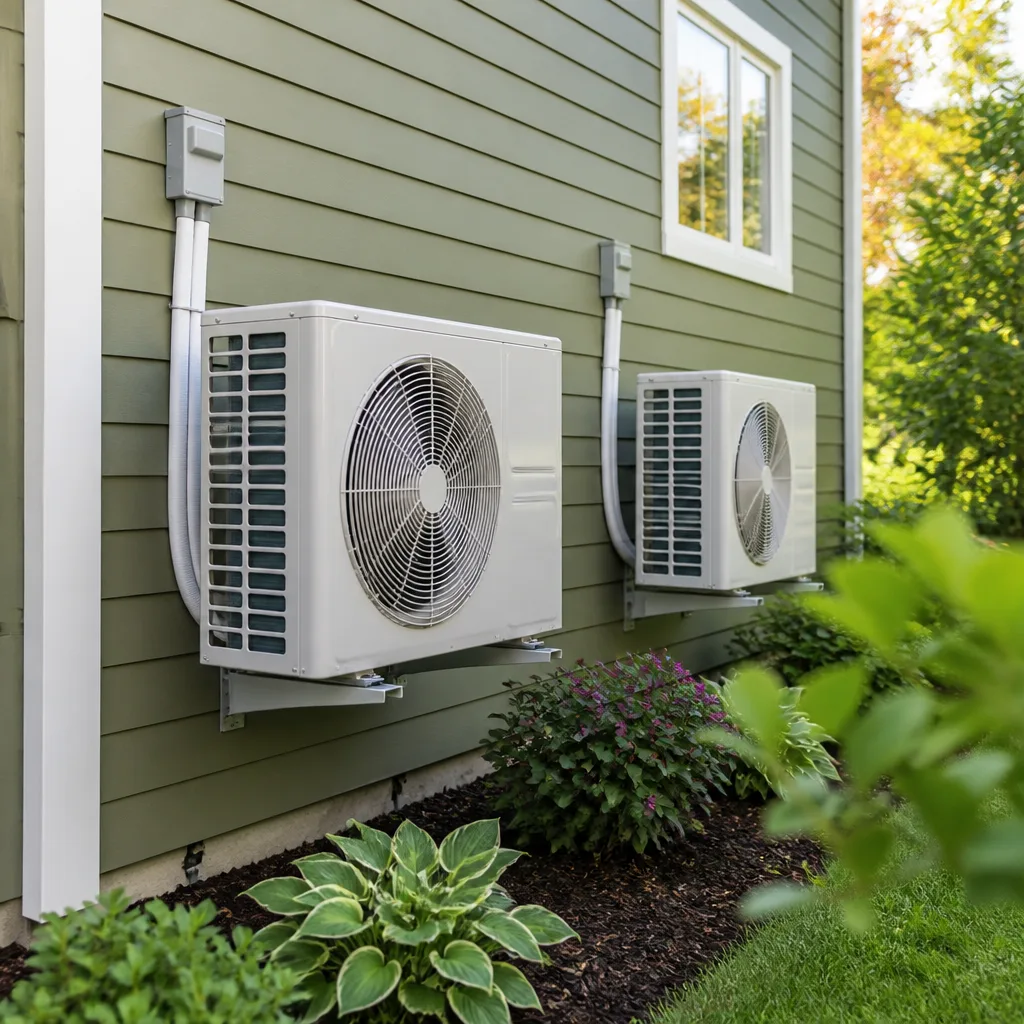 Ductless mini splits
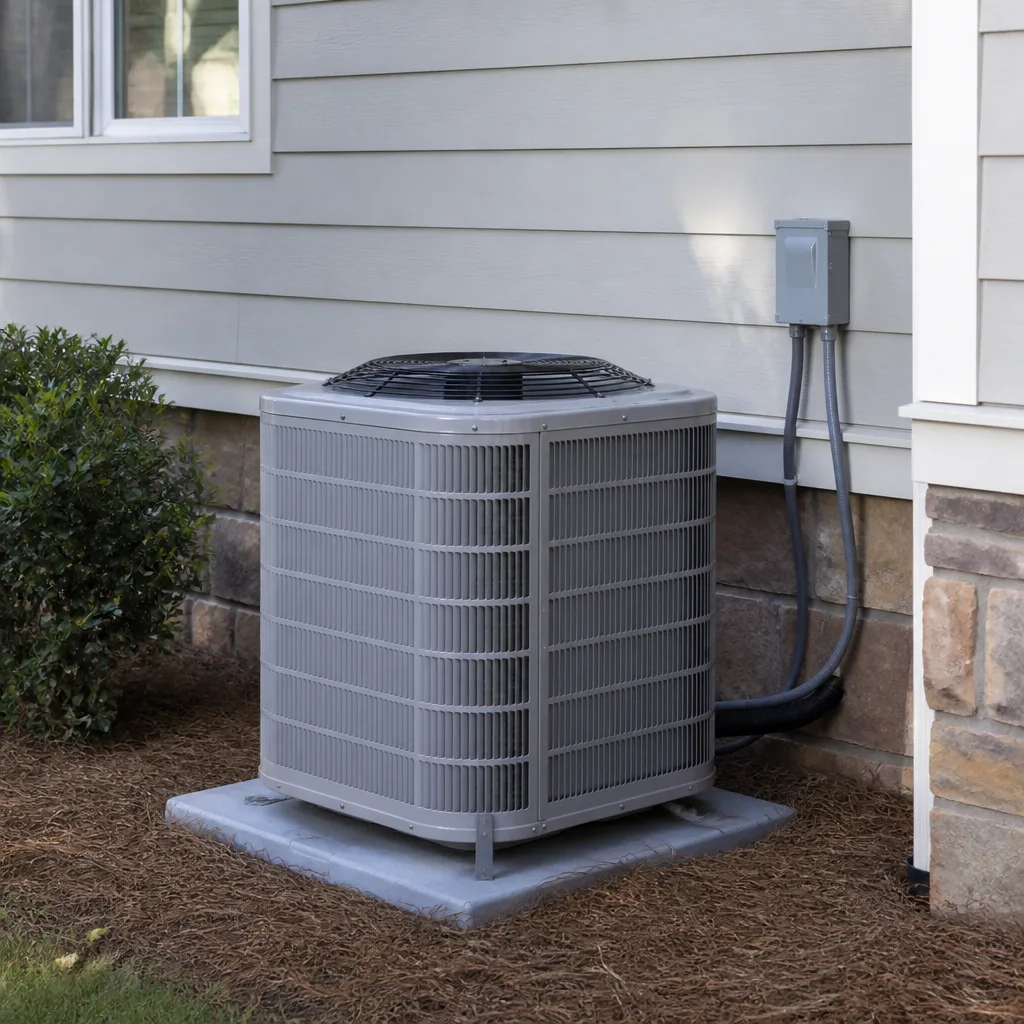 Carrier
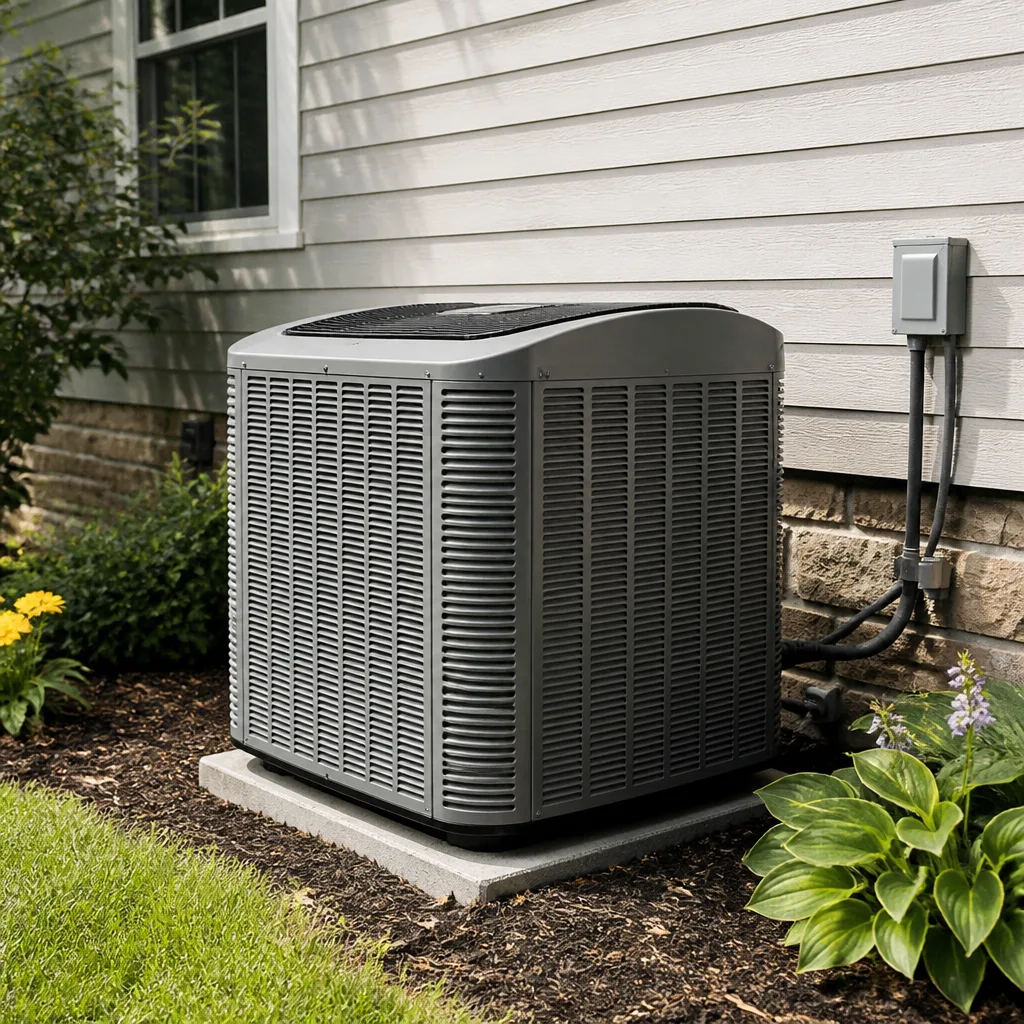 Trane
Trane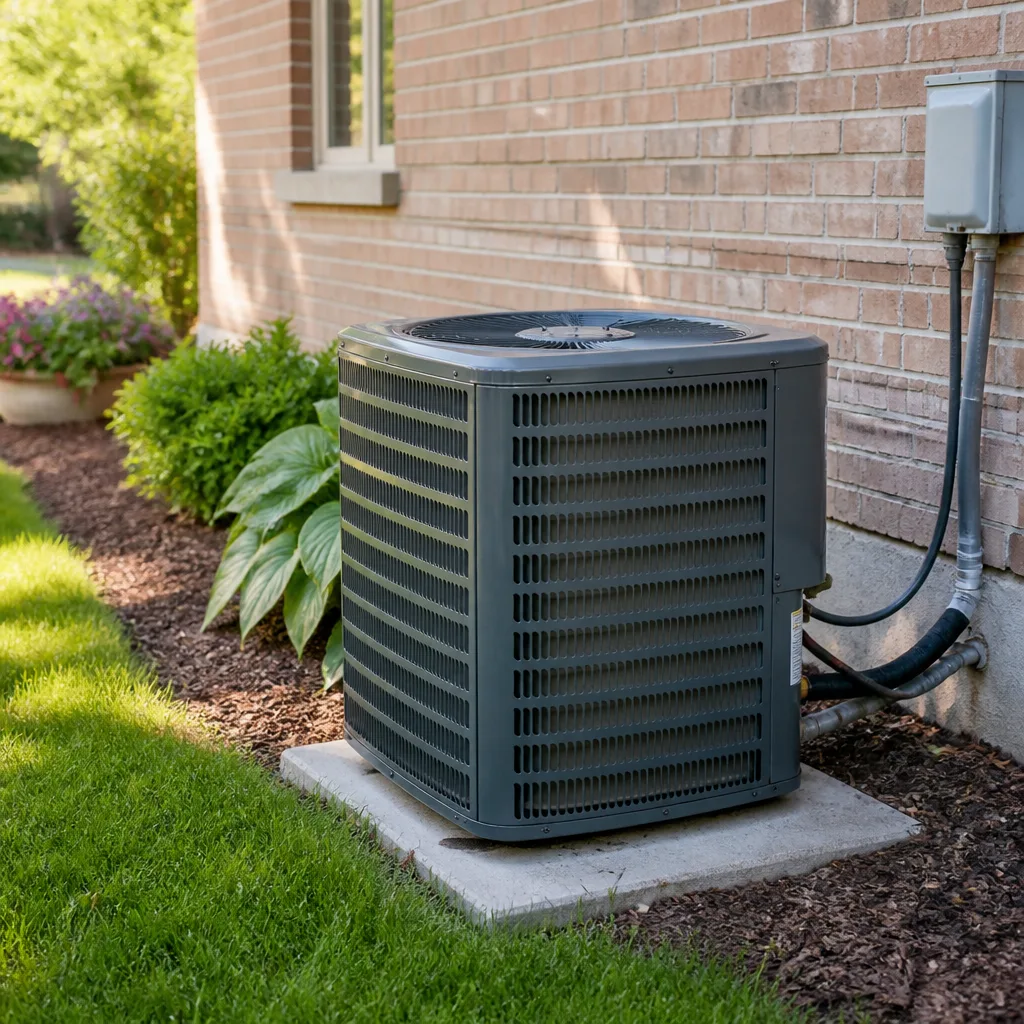 Goodman
Seasonal tune-up and full diagnostic on your Carrier, Trane, or Goodman system - readings shown to you before any repair is proposed
Diagnosis first, numbers second - you approve the repair price before a single part goes in.
Get your free estimateFast, Reliable Heat Pump Installation Across Fort Worth
A new heat pump installation in Fort Worth typically runs $3,500 to $7,500 depending on system size, SEER2 rating, and whether your attic ductwork needs replacement. We keep our trucks stocked with common parts and have crews positioned across Fort Worth, so we can usually have a technician at your door the same week you call. If you’re replacing a failed system or putting in a heat pump for a rural property that has never had central air, call (817) 730-5369 and we’ll give you a written quote before any work starts.
Fort Worth is not Dallas. Our technicians know the difference because they work it every day. The housing stock here runs heavy to 1990s and 2000s slab-on-grade tract homes with horizontal air handlers stuffed into low-pitch vented attics. That changes how a heat pump gets sized, how the ductwork gets run, and how much attic heat gain the system has to fight all summer. A heat pump that works fine in a Dallas pier-and-beam bungalow may fall flat in a Fort Worth two-story with a hot attic and baked flex duct. We account for that before we ever quote a price.
Why Dalton Heating & Air Fort Worth Is Fort Worth’s Preferred Heat Pump Installation Company
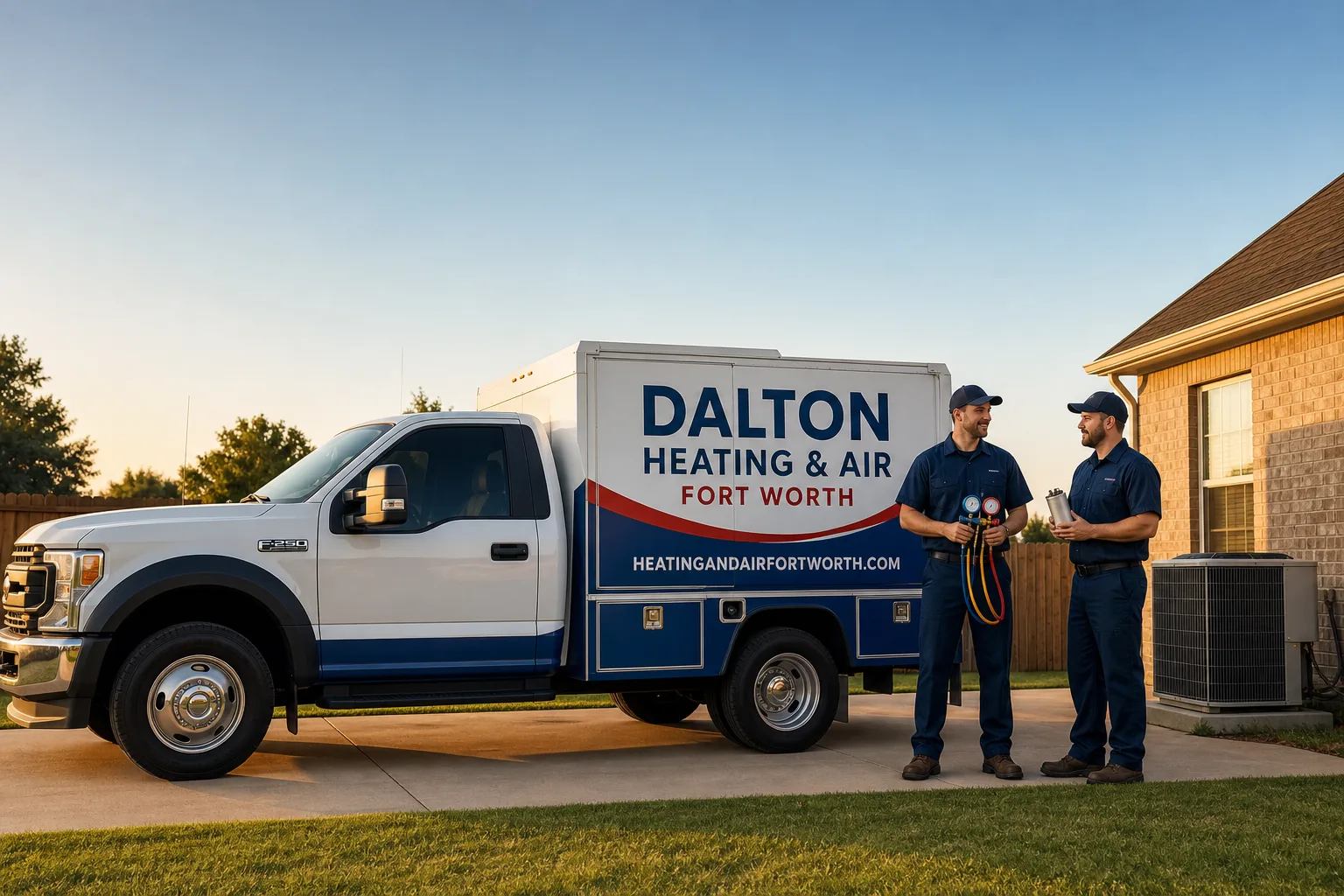
Marco Benitez leads our Fort Worth team, and he runs it the way The Garrison Standard has run since 2003. That means a real person answers the phone at 2 a.m. and at 2 p.m., we show up inside the stated window, and the price you get in writing is the price you pay. There are no upsell surprises at the door and no technician who can’t explain what he found in plain English. Every heat pump installation for a Fort Worth home includes a written guarantee for a full year, and if something fails within that year, we come back at no charge. That is the 365-Day Done Right Promise, and we don’t treat it as a marketing slogan.
Our Heat Pump Installation team is background-checked and uniformed, so when the truck pulls up to your home off Sycamore School Road or West Cleburne Crowley Road, you know exactly who is walking to your door. We’re factory-trained to service Rheem, Daikin, Bryant, York, and the other major residential brands, which matters when a heat pump has been sitting in a Fort Worth attic for fifteen years and needs more than a handshake and a new filter. We also stock local parts for Fort Worth jobs, so a coil replacement doesn’t turn into a two-week wait on a warehouse in another state.
Styles & brands we work with
Heat Pump Maintenance in Fort Worth
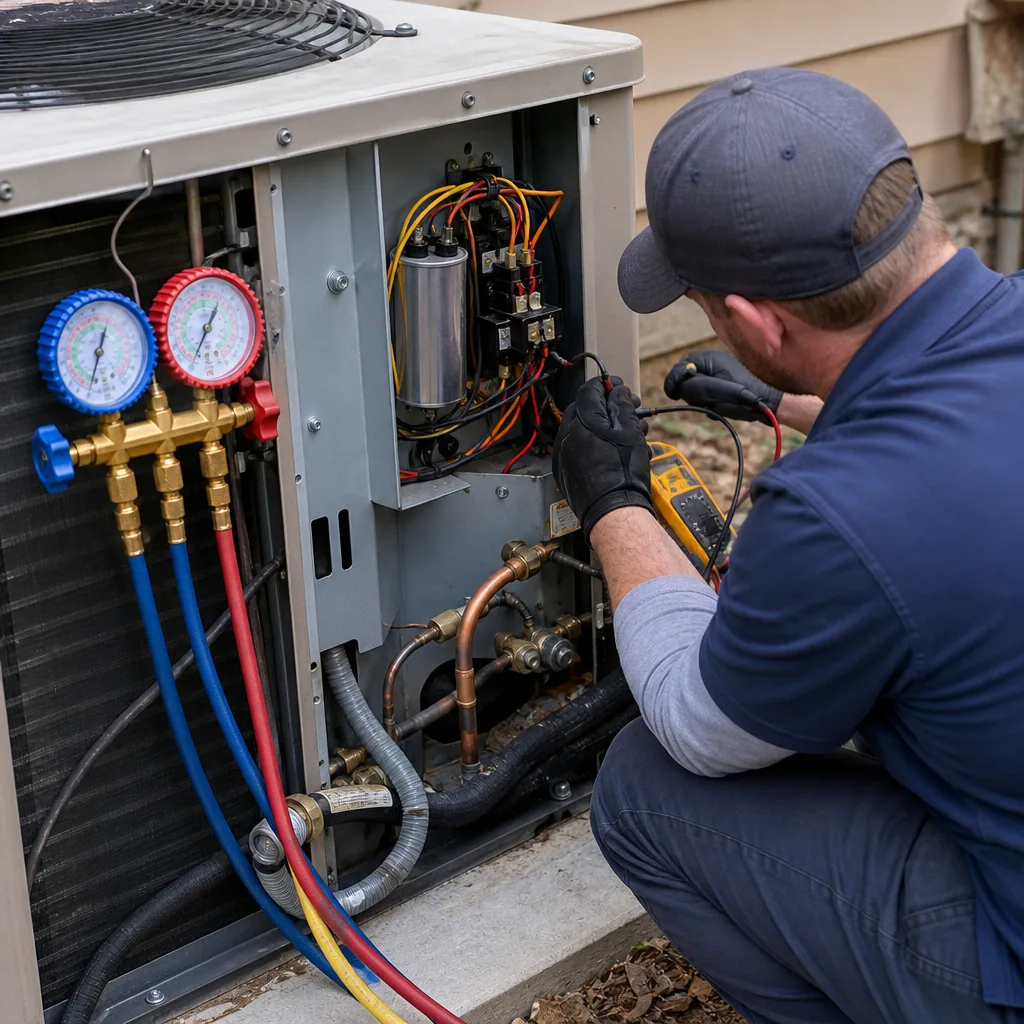
Heat Pump Maintenance in Fort Worth is not optional if your system lives in a vented attic that hits 150°F every summer afternoon. A Fort Worth heat pump works harder here than the same unit would in a milder climate, and the two main killers are dirty coils and leaking ductwork, both of which get worse fast when the attic bakes all day. A maintenance visit from us runs $80 to $200 depending on how much cleaning and measuring the system needs, and it includes a written report of what we actually found, not a sales pitch. Our technicians are not paid on what they sell, so the recommendation you get is the one the system needs, nothing more.
Coil Cleaning and Airflow Measurement
In a Fort Worth attic, the outdoor coil picks up dust, cottonwood, and grass clippings from the dry spring winds, while the indoor coil sits in a hotbox that cooks whatever it collects. We clean both coils, check the blower motor amperage, and measure static pressure against the ductwork’s actual capacity. On the 1990s tract homes throughout Fort Worth, the return air plenum is often a size too small, which chokes the blower and shortens the heat pump’s life by years.
Refrigerant Charge Verification
We verify the refrigerant charge, or the amount of cooling fluid in the sealed system, because a heat pump that is even 10 percent low will struggle to keep a Fort Worth house at 75 degrees in August. If the charge is off, we find the leak rather than just topping it off and walking away. A maintenance visit that catches a small leak in March is a lot cheaper than a compressor replacement in July.
Geothermal Heat Pump Installation in Fort Worth
Geothermal Heat Pump Installation in Fort Worth makes more sense on the larger rural lots where natural gas never made it to the property line and propane tanks keep the old furnace running. A geothermal system uses the stable ground temperature, usually in the mid-60s even when Fort Worth is over 100 degrees, to heat and cool the house with far less electricity than an air-source heat pump. The installed cost runs higher, often in the $15,000 to $35,000 range depending on loop field size and drilling conditions, but the operating cost drops enough that many Fort Worth homeowners on five or ten acres make the math work.
Horizontal Loop Fields for Fort Worth Acreage
On a flat Fort Worth lot west of Loop 820, a horizontal loop field trenched six to eight feet deep is usually the most practical approach. The soil here is mostly clay and limestone, which conducts heat reasonably well, but we always run a thermal conductivity test before sizing the loop field. It is the difference between a system that runs at full capacity for twenty years and one that limps along undersized.
Open-Loop Systems and Water Quality
Some rural Fort Worth properties have wells that can support an open-loop geothermal system, but the water quality matters more than most people expect. High iron or calcium content will foul a heat exchanger in a few seasons, and the fix is not cheap. We test the water before we ever recommend an open loop, and if the numbers do not support it, we say so plainly and price the closed loop instead.
Trusted Brands We Service in Fort Worth
We install and service Rheem, Daikin, Bryant, and York heat pumps for Fort Worth homes, along with the other major residential brands. What that means for you is simple: when a Bryant compressor fails in the middle of a Fort Worth July, we do not have to order parts across state lines and ask you to wait. Our local parts stock covers the common failures, and our techs are trained on the specific refrigerant controls and defrost boards these brands use. A heat pump is only as good as the installation behind it, and we would rather tell you which brand fits your Fort Worth house and budget than push whatever is left in the warehouse.
See the difference
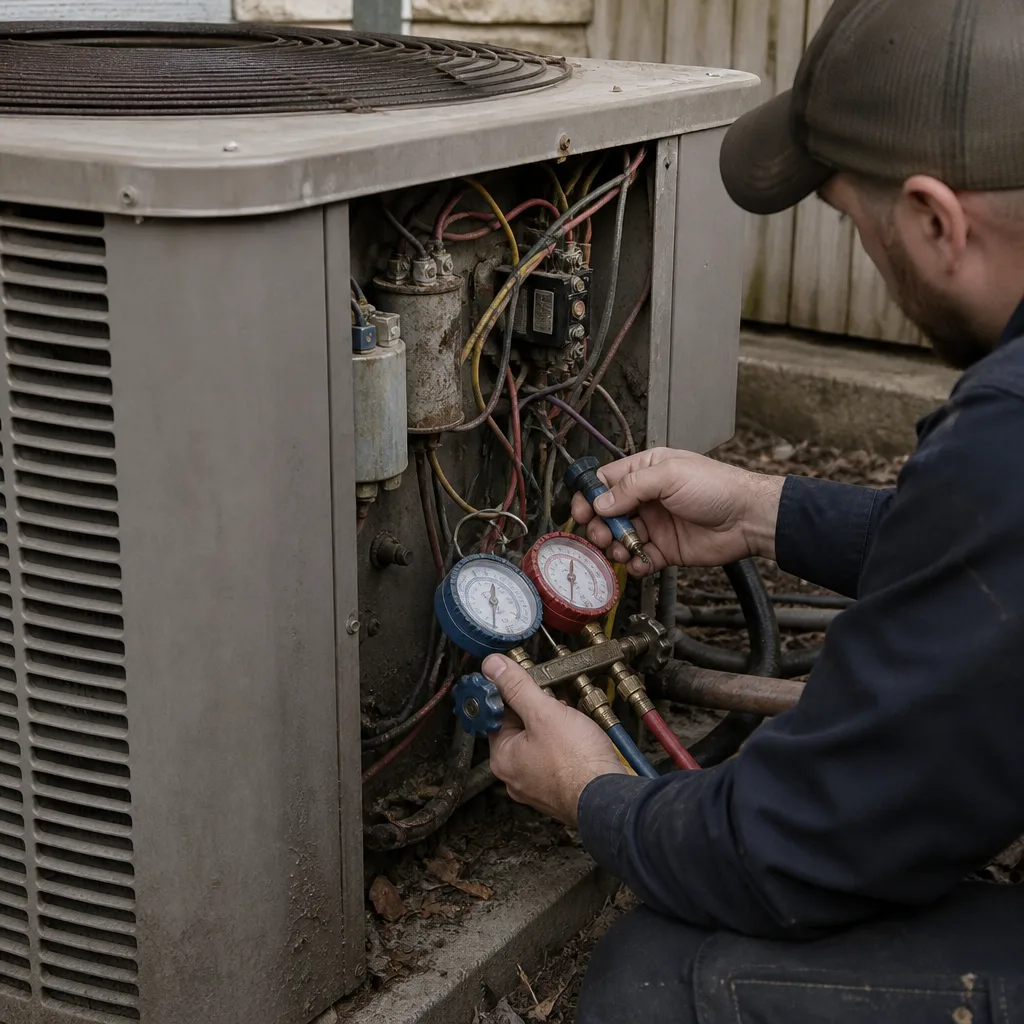 Before
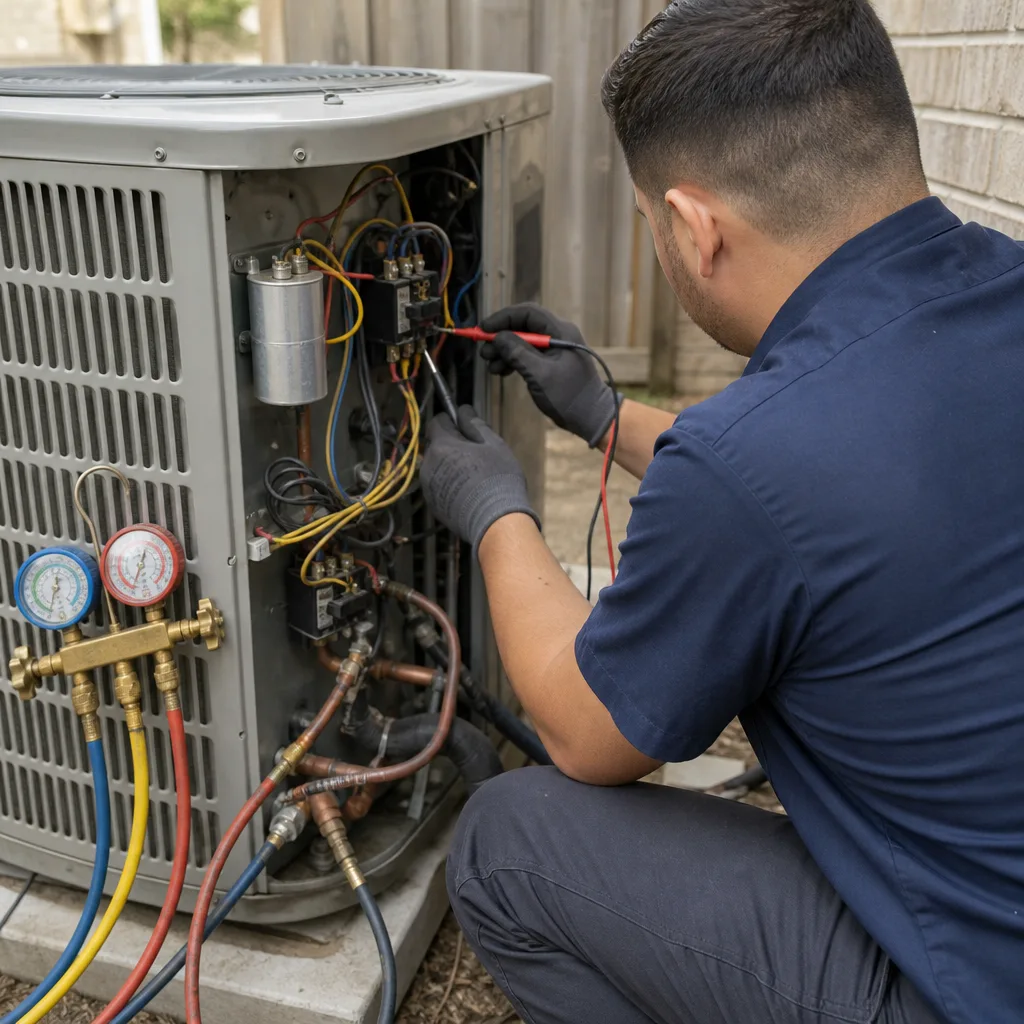 After
After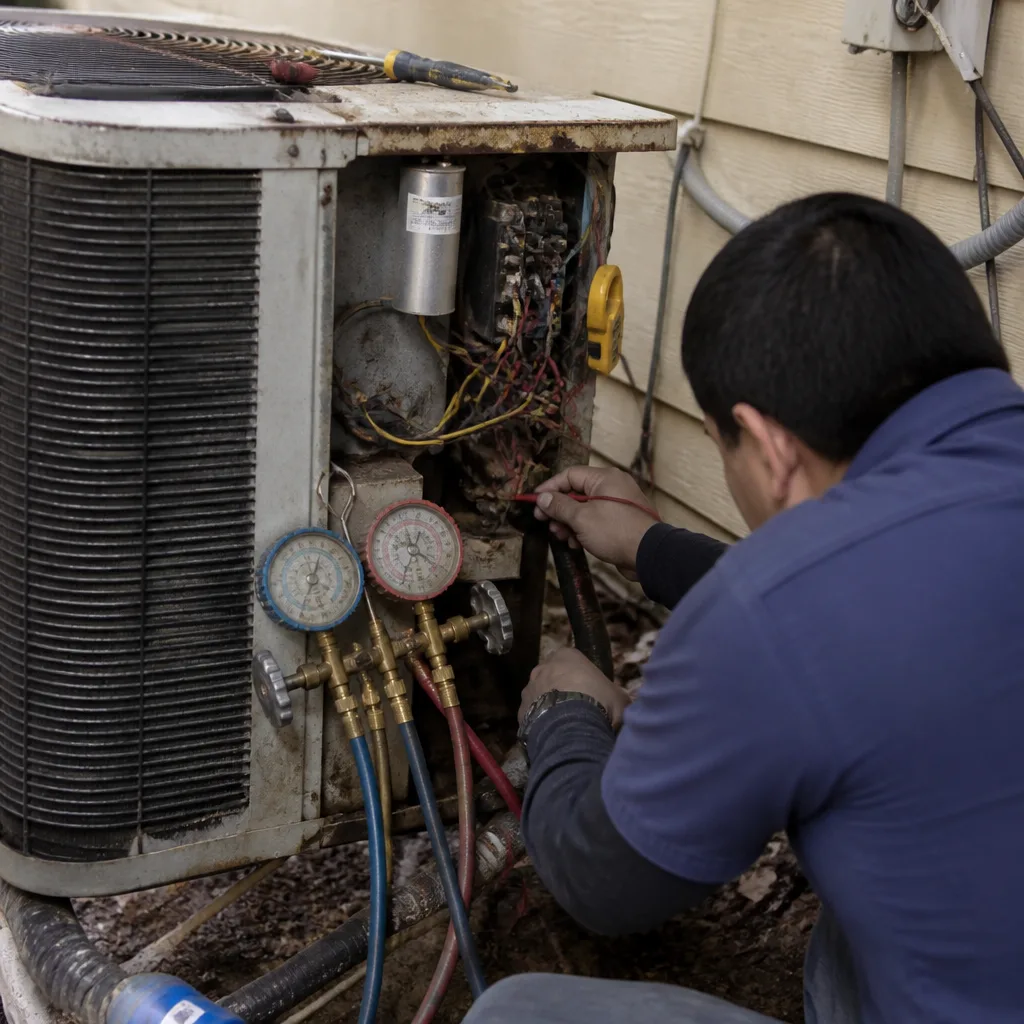 Before
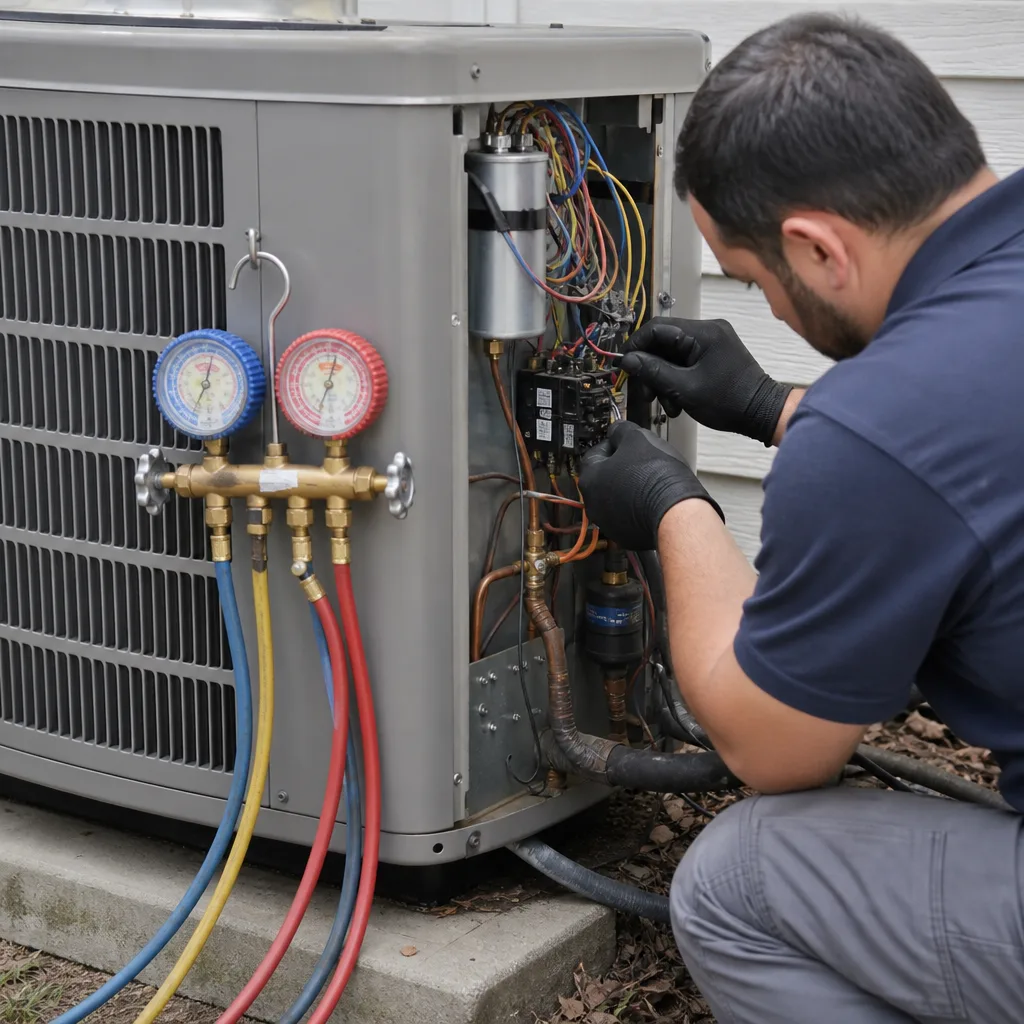 After
After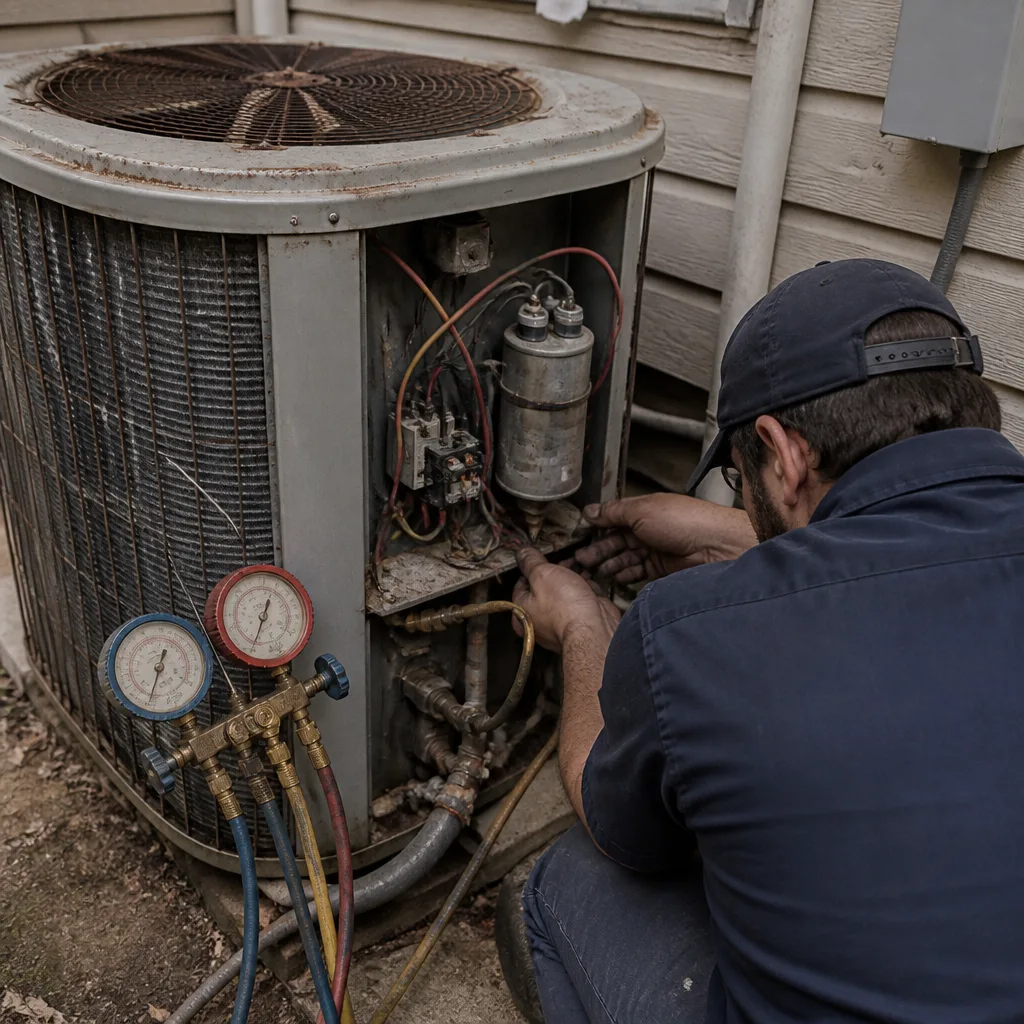 Before
 After
AfterCommon Heat Pump Installation Problems We See in Fort Worth Homes
- Baked flex duct in vented attics. Fort Worth attics routinely pass 150°F in July and August. Flex duct that has been up there for 15 years turns brittle, splits, and leaks conditioned air into a space you are not trying to cool. A new heat pump connected to old ductwork loses capacity from day one.
- Undersized return air plenums. The 1990s slab-on-grade tract homes across Fort Worth were built to hit a price point, and the return air side usually took the hit. When the return is too small, the heat pump’s blower motor works against resistance it was never designed for and fails years early.
- Exposed outdoor condensers on rural lots. On the rural edge of Fort Worth where there is no wind shelter, west-facing condensers take the full force of summer sun and dry wind. Coils clog with dust and the system’s ability to reject heat drops. Placement matters, and we size and position the condenser for the actual site, not a generic drawing.
- Old evaporator coils in hot attics. A heat pump installed fifteen years ago with an evaporator coil in a Fort Worth attic has been heat-soaking every summer since. The coil eventually develops pinhole leaks from thermal stress, and when it goes, the new heat pump has to be sized around the attic conditions, not the square footage alone.
Pricing for Heat Pump Installation in Fort Worth, TX
A complete heat pump installation in Fort Worth for a typical 2,000 to 2,600 square foot home runs $4,500 to $7,500 for a SEER2-rated system with a new air handler. Smaller systems for modest homes start around $3,500, while large or high-efficiency systems on big two-story homes can push past $7,500 once you add duct modifications or a new line set. The biggest cost variable in Fort Worth is ductwork: if the attic flex is baked and leaking, replacing it adds $1,000 to $3,000 but makes the difference between a heat pump that performs and one that never reaches setpoint. We give you a written fixed price before work begins, so there is no day-of surprise. Call (817) 730-5369 for a free estimate on your Fort Worth heat pump installation.
We Also Serve Cities Near Fort Worth
Our Fort Worth crews routinely run jobs in Haltom City, Colleyville, Mansfield, and Burleson, and the same written-price guarantee applies no matter which side of the county line you live on. If you are searching for Fort Worth heat pump help and you’re actually just outside the city limits, call anyway. We’ll tell you straight whether we cover your street.
Serving Fort Worth, TX - Our Local Coverage Area
We’re based in the Fort Worth area and know this community well. Use the map below to see our service coverage - if you’re nearby, we can almost certainly help.
FAQs About Heat Pump Installation in Fort Worth
Heat pumps in the Keller-Haslet sprawl north of Loop 820 fail in early August because the attic flex duct has baked for 15 to 20 summers and the condenser has been running flat out since June. The duct leaks, the system loses capacity, and the compressor finally gives up in the hottest stretch of the year. We sized a 4-ton replacement for a 2,600-square-foot two-story out there after the original condenser coil failed in early August. The attic flex was brittle and leaking, so our techs corrected the static pressure and installed new R-8 flex before the new heat pump ever ran. If your system is 15 or more years old and the attic duct has never been touched, August is a question of when, not if. Call (817) 730-5369 and we’ll inspect it before it fails.
Yes, a properly sized heat pump can handle a 2,600-square-foot two-story with volume ceilings in Fort Worth, but the sizing math has to account for attic heat gain and duct leakage, not just square footage. A generic load calculation that ignores the 150°F attic will undersize the system by a half-ton or more. We run a full Manual J load calculation on every Fort Worth installation, with specific attention to the attic conditions and the volume of the open spaces. The result is a heat pump that hits setpoint on a 105-degree day without running 24 hours a day.
A heat pump is usually the better financial choice for a rural Fort Worth property without natural gas, because electricity rates here are lower than the delivered cost of propane and a heat pump uses far less energy per unit of heat delivered. The exception is when the property has an old propane furnace that still works and the budget only covers one system. In that case, a dual-fuel setup, with a heat pump as the primary heat source and the propane furnace as backup for the coldest nights, is often the right call. We’ll lay out both options with real numbers for your property, not a generic comparison.
The evaporator coil location in a Fort Worth attic is critical, because a coil sitting in a vented attic that hits 150°F absorbs heat from the attic itself before it ever cools the air moving across it. On a 1990s slab-on-grade tract home, the horizontal coil is usually crammed into the hottest corner of the attic, which drags down capacity and efficiency. We check the actual attic temperature and the coil’s position during the load calculation, and we often recommend re-hanging the unit or adding a radiant barrier in that section of the attic. It is the kind of detail a generic heat pump quote never considers.
Yes, a heat pump on an exposed rural Fort Worth lot with no wind shelter needs a condenser that is sized and placed differently than the same unit would be in a sheltered suburban subdivision. The west-facing condenser takes full summer sun and dry wind, which reduces its ability to reject heat, so we add capacity margin and we position the unit away from the direct afternoon heat load where the site allows. We also recommend more frequent coil cleaning for exposed properties, because dust and cottonwood will clog the coil faster with no tree line to break the wind. Call (817) 730-5369 and we’ll walk the lot with you before we quote, not after.
Written by Marco Benitez, Owner at Dalton Heating & Air Fort Worth.