
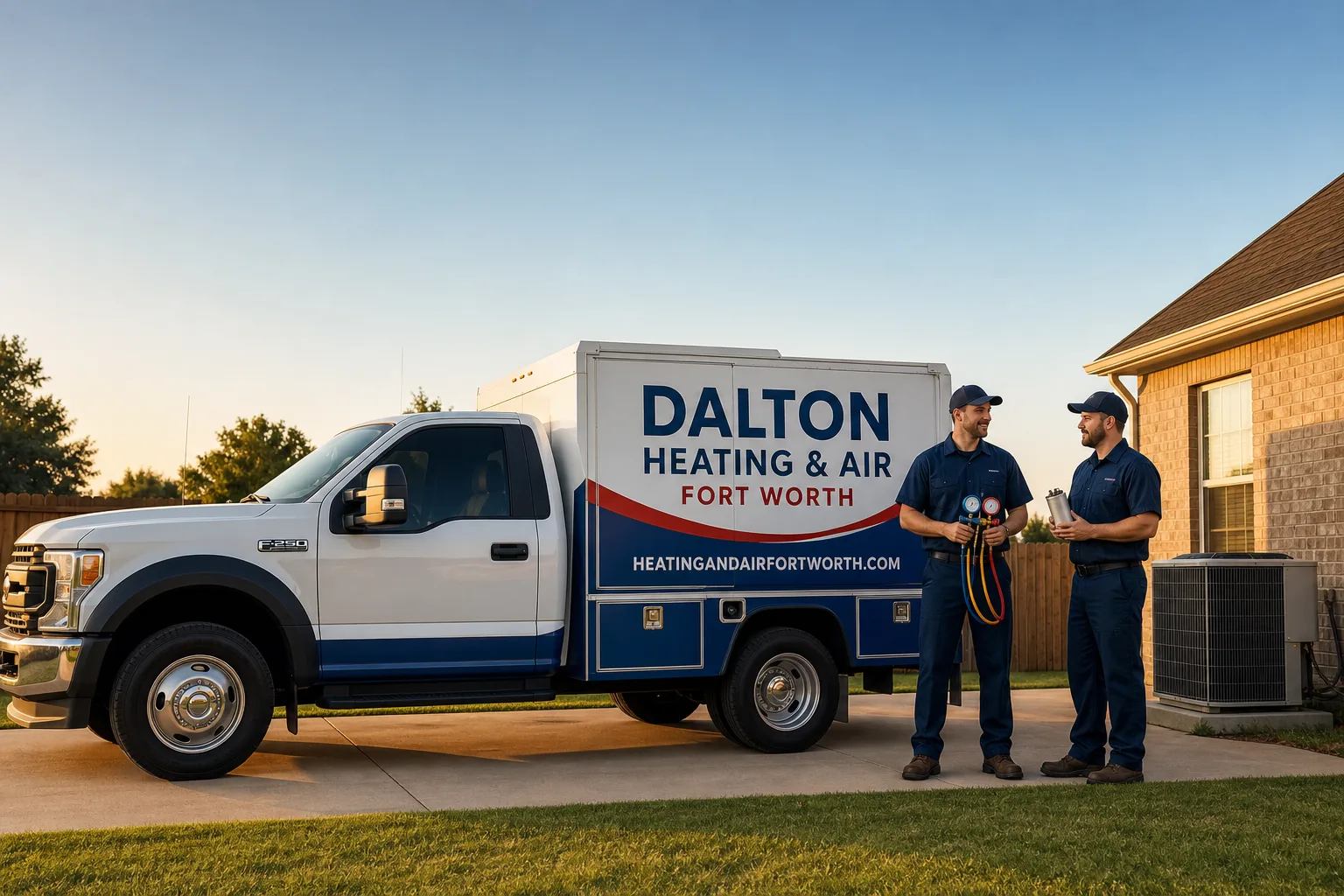
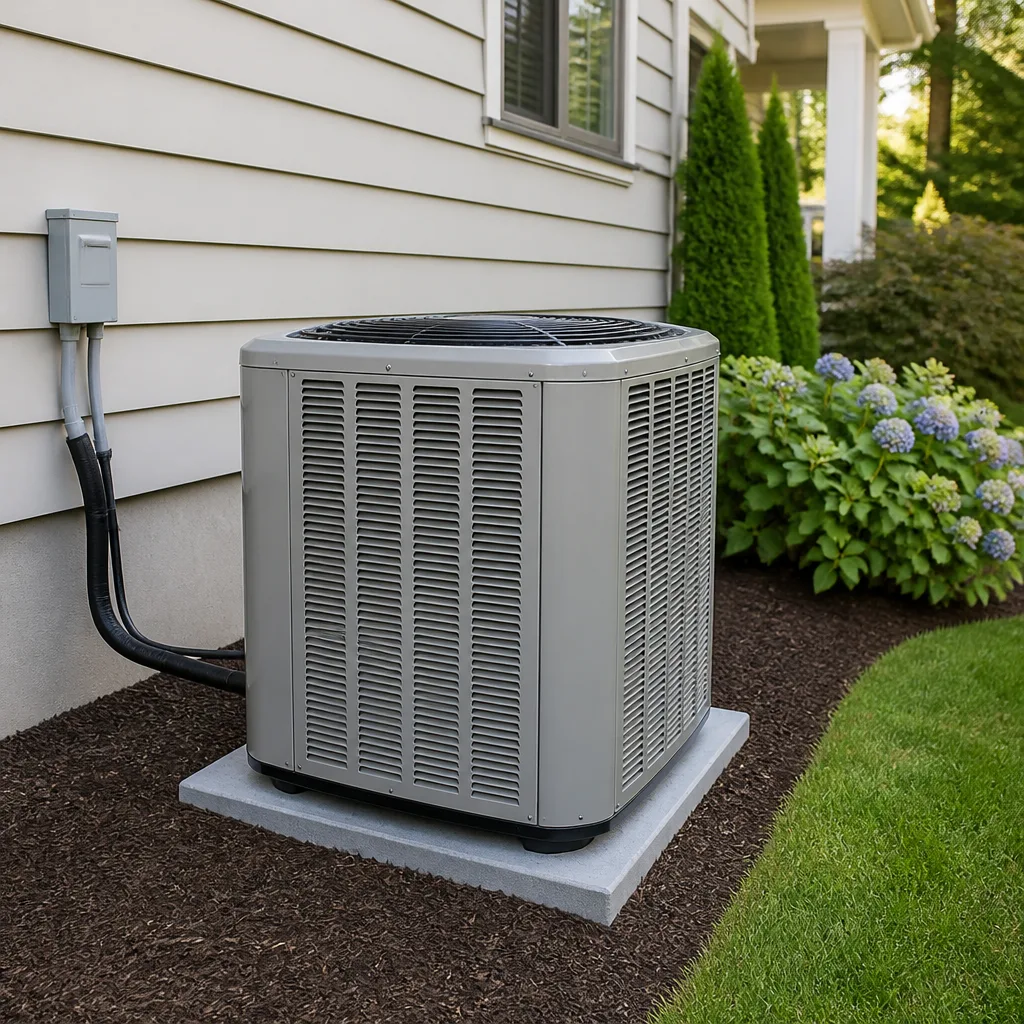
 AC repair
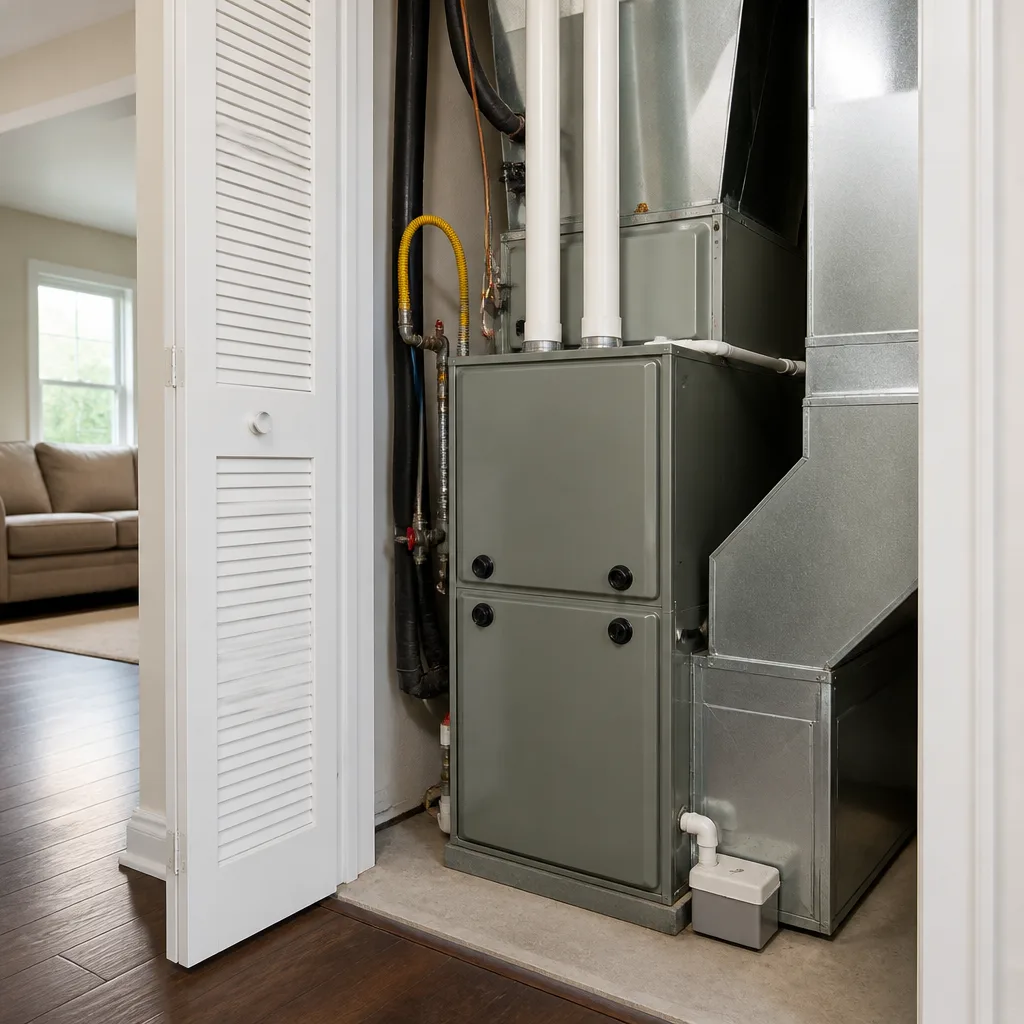 Furnace & heating
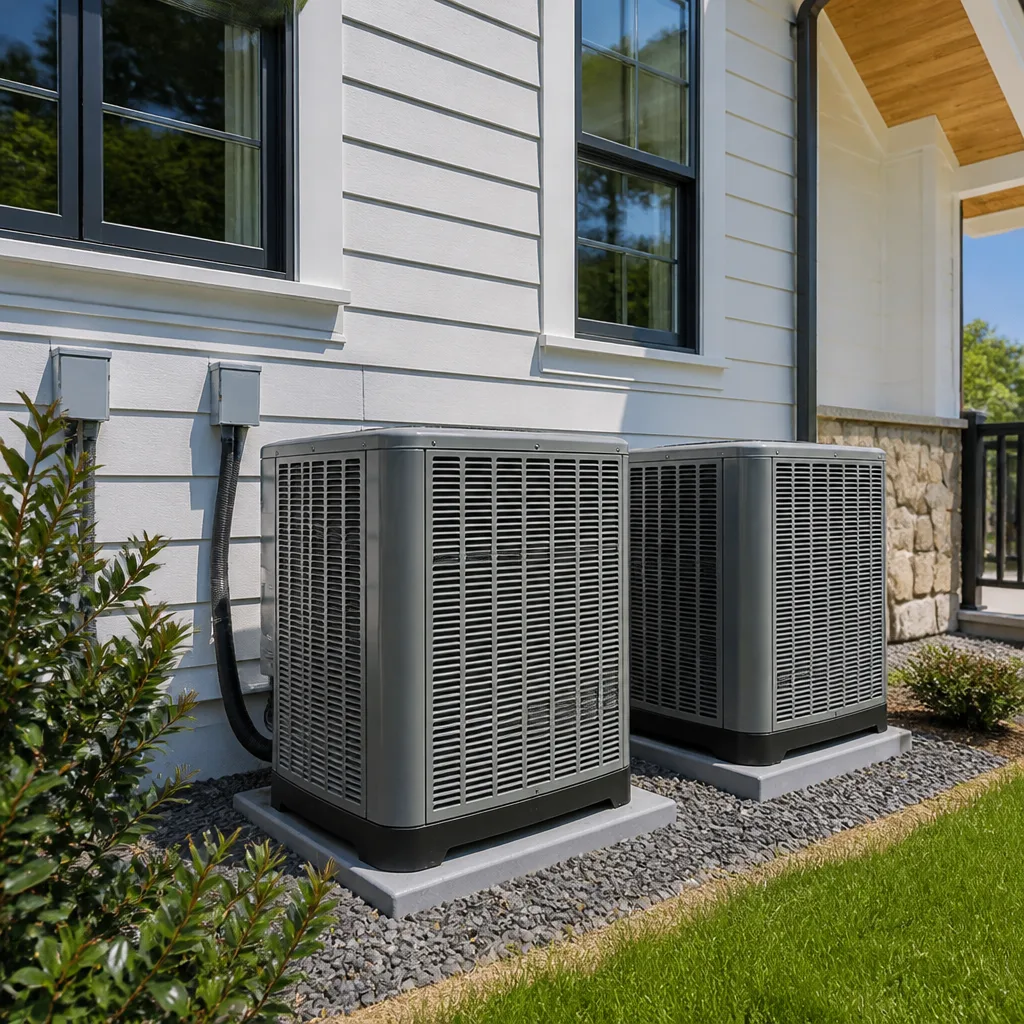 Heat pumps
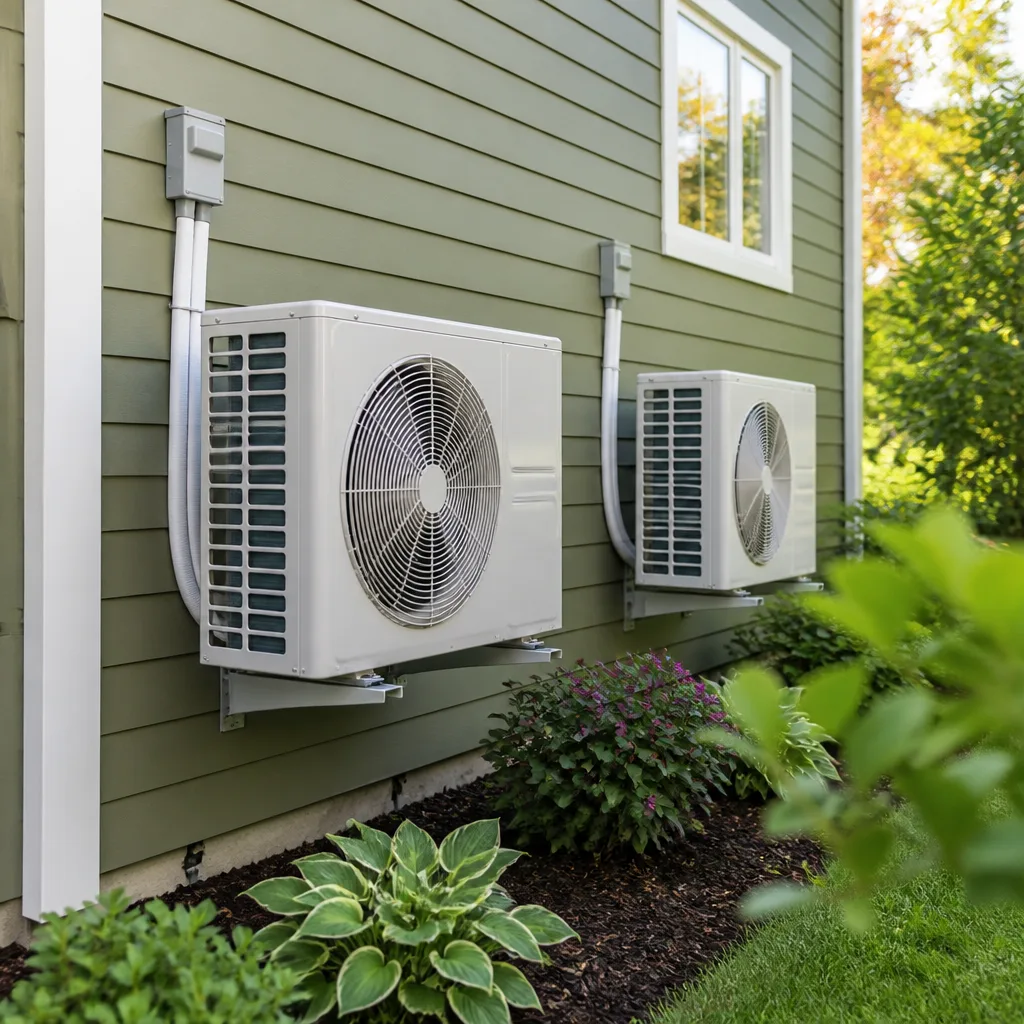 Ductless mini splits
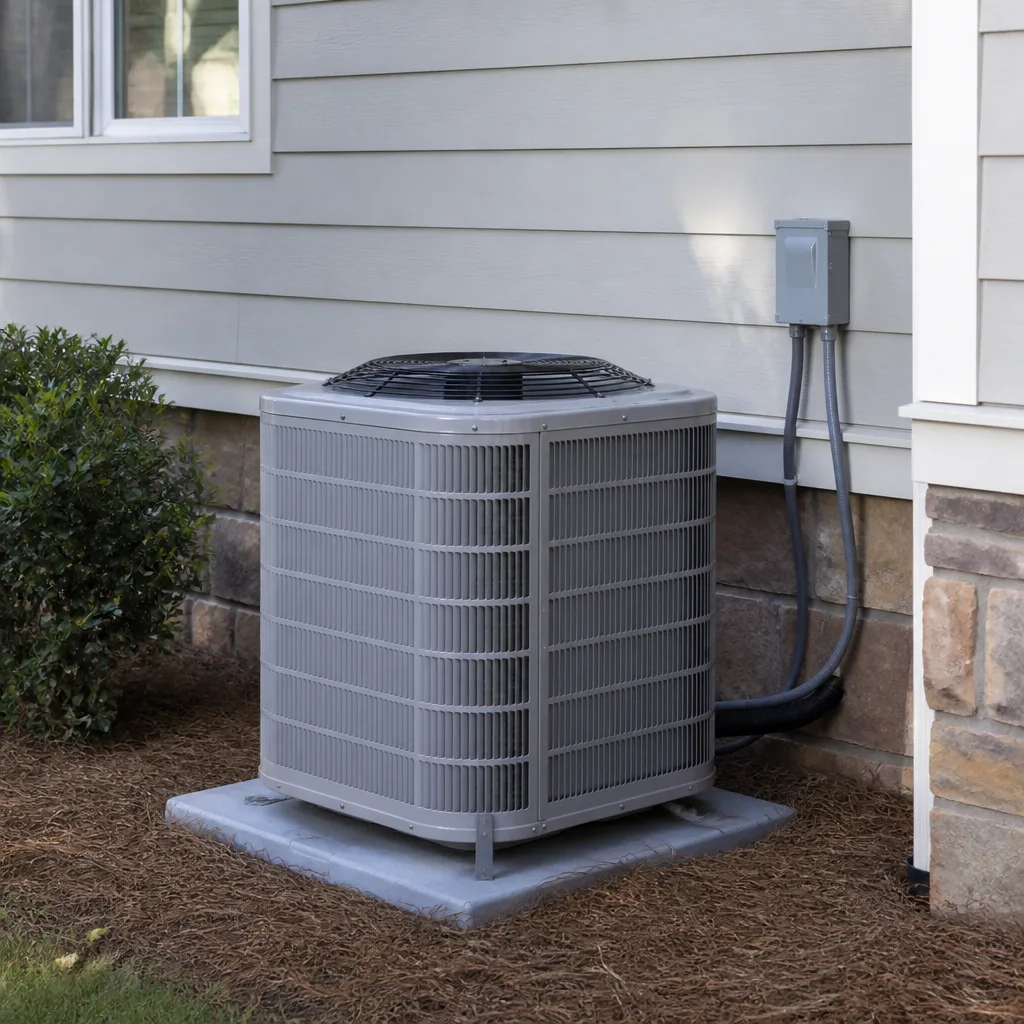 Carrier
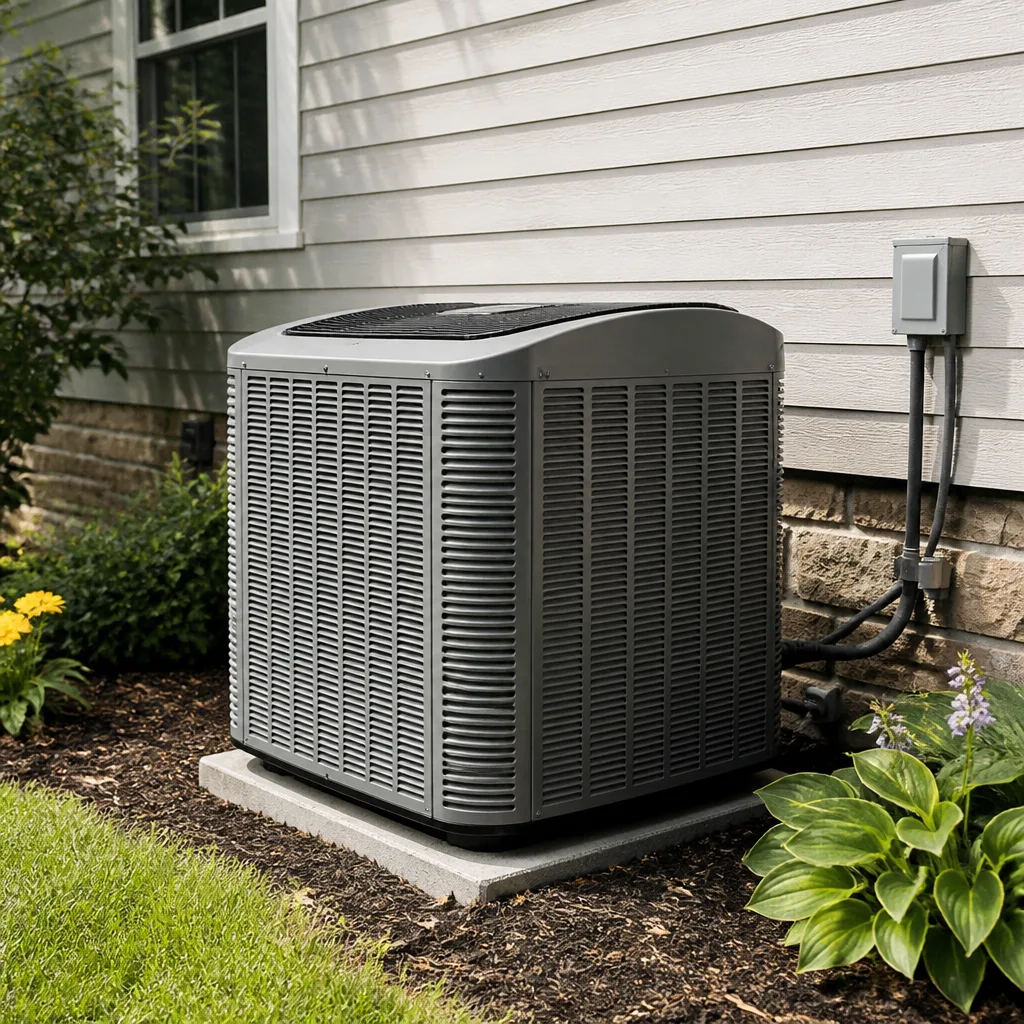 Trane
Trane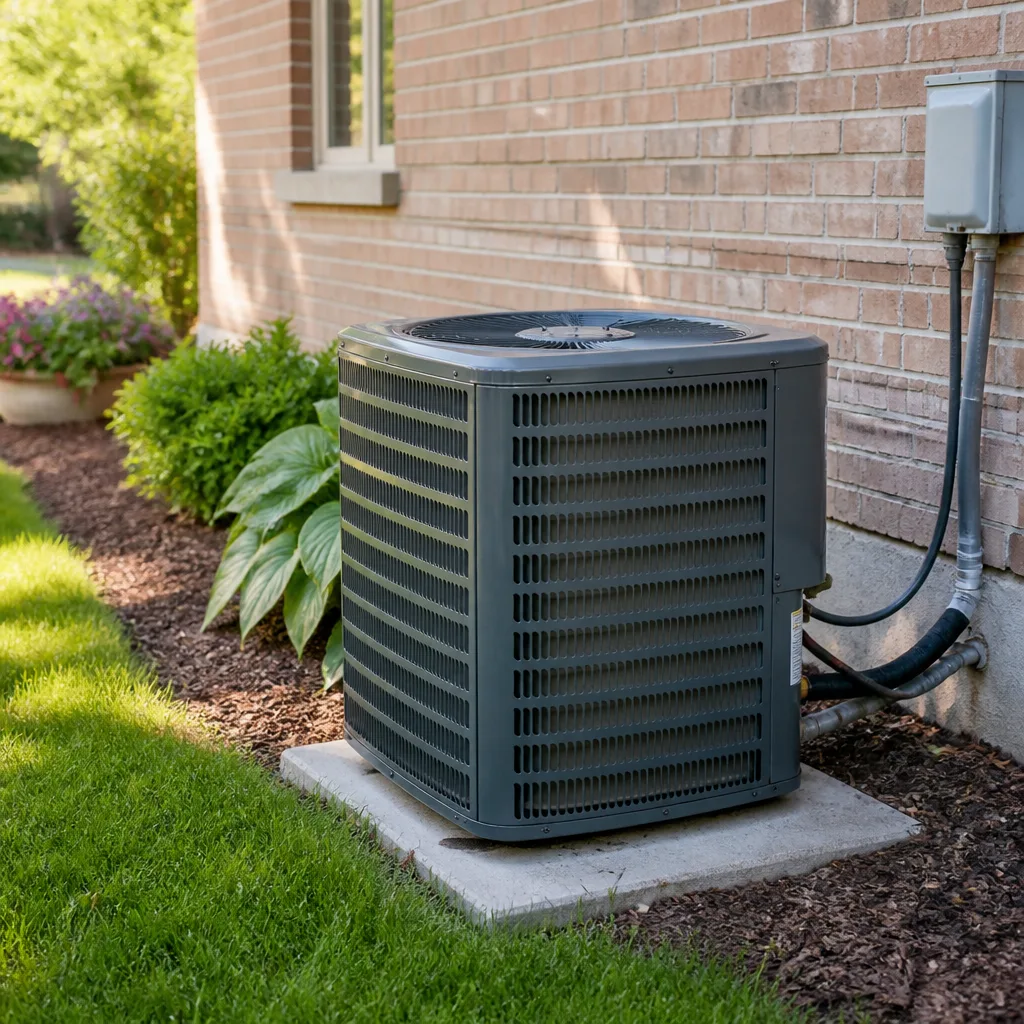 Goodman
Seasonal tune-up and full diagnostic on your Carrier, Trane, or Goodman system - readings shown to you before any repair is proposed
Diagnosis first, numbers second - you approve the repair price before a single part goes in.
Get your free estimateStyles & brands we work with
See the difference
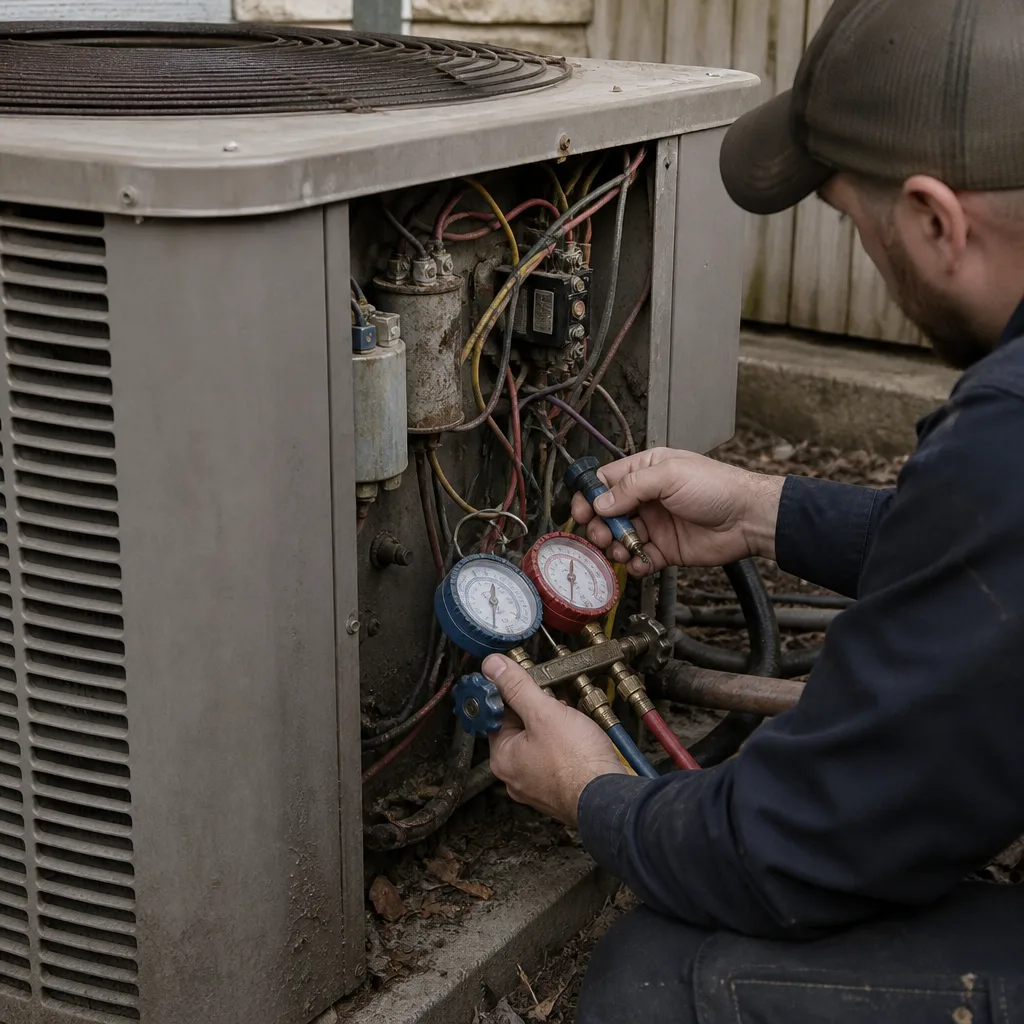 Before
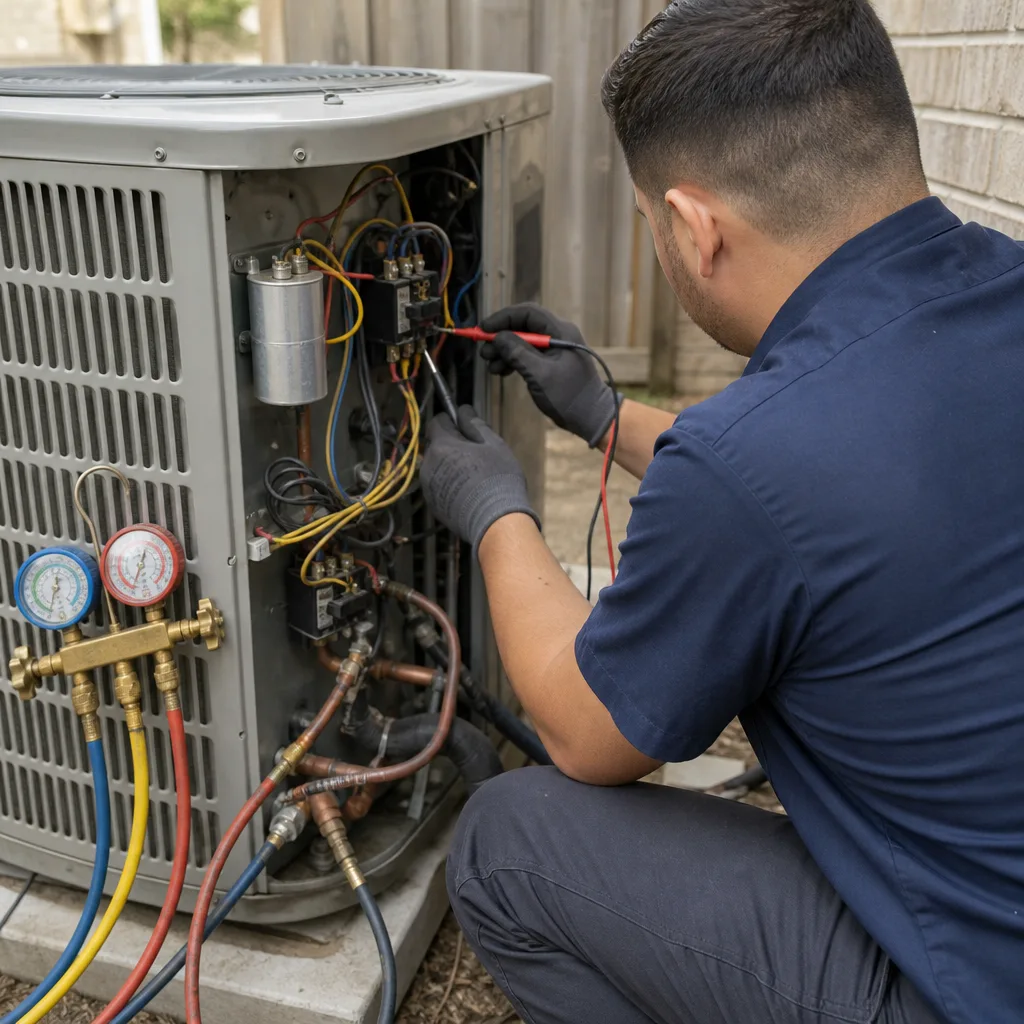 After
After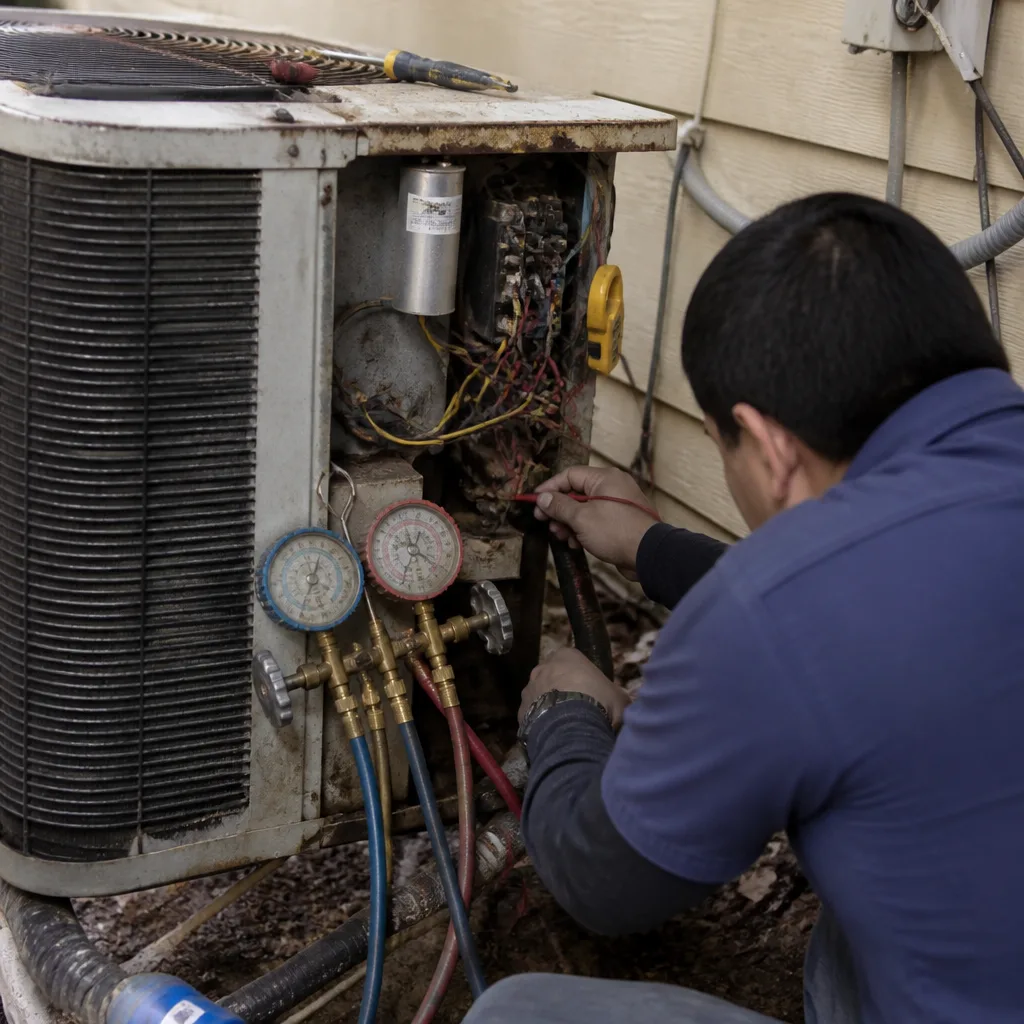 Before
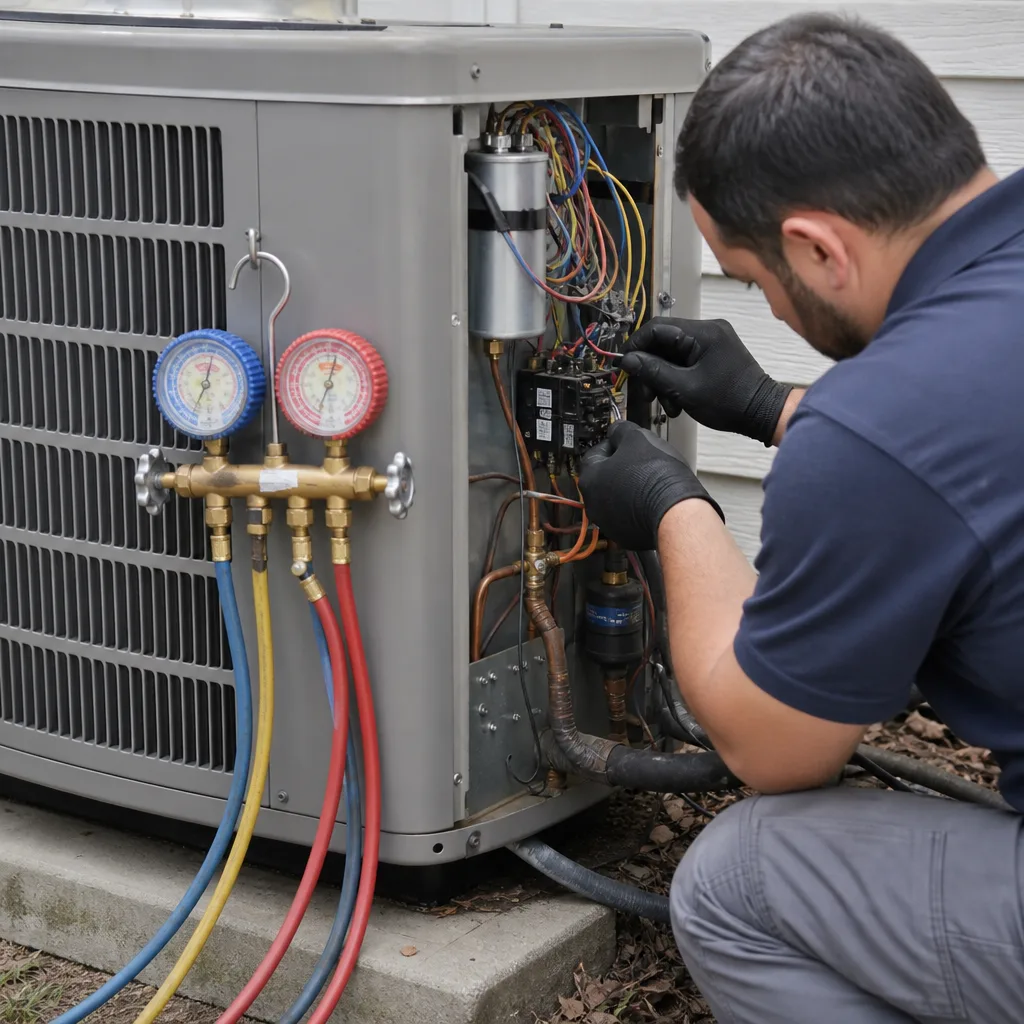 After
After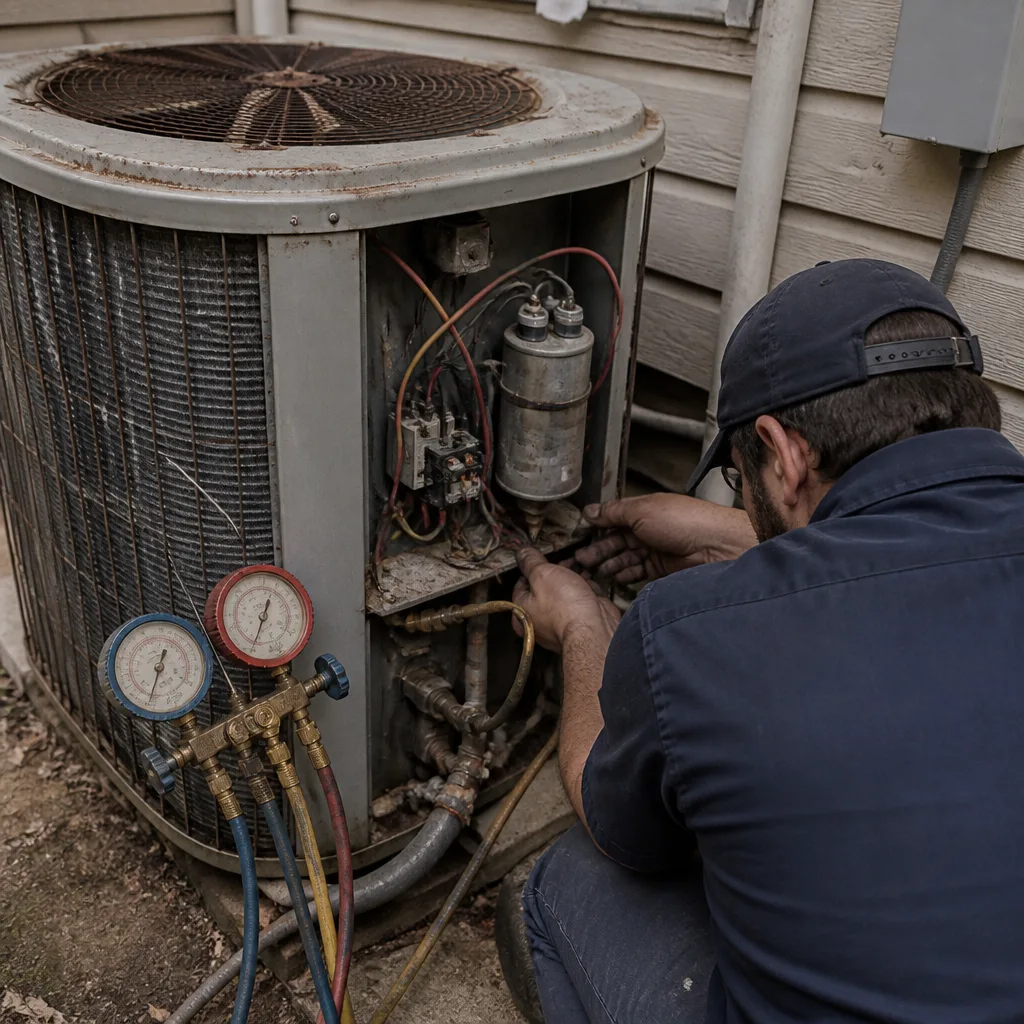 Before
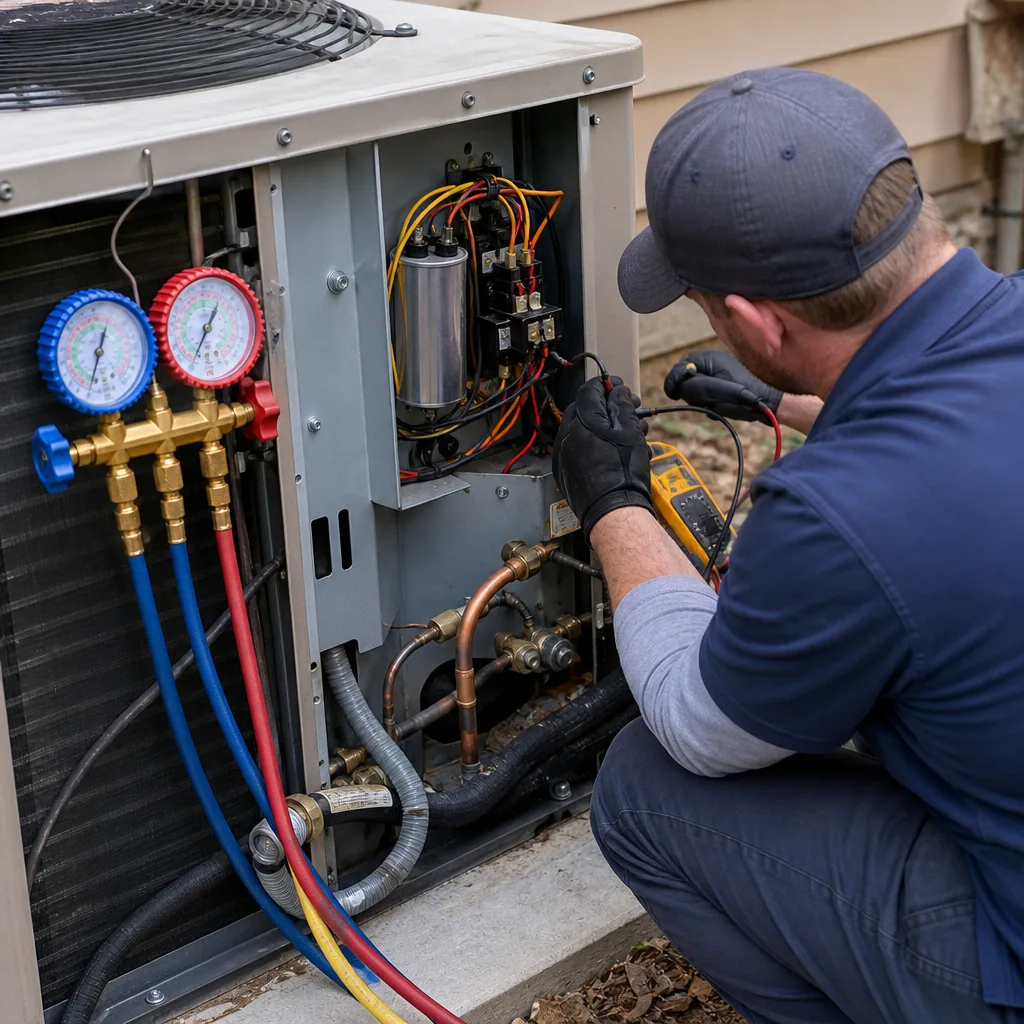 After
AfterHow Much Does AC Repair Cost in Fort Worth?
Most AC repairs in Fort Worth run between $150 and $650, with the average service call landing around $350. The final number depends on what failed, which brand you have, and how old the system is. Below, we break down exact line items so you know what to expect before the technician ever rings your doorbell.
At Dalton Heating & Air Fort Worth, our AC Repair services come with a price you’re quoted that is the price you pay. It goes in writing before any work begins, no exceptions. That’s a Garrison Standard rule we’ve operated under since 2003.
Key takeaways:
- Most Fort Worth AC repairs cost between $150 and $650.
- Capacitors, contactors, and refrigerant recharge calls are the most common jobs, running $150 – $400.
- Compressor replacement is the big one, typically $450 – $650 on common brands, higher on high-efficiency units.
- We give you a written price before any work starts and back every repair in writing for a full year.
- Callers reach a live person 24/7 at (817) 730-5369, free estimates included.
AC Repair Cost Breakdown (2026)
Here’s what we actually see across Fort Worth neighborhoods, from Wedgwood to Saginaw to River Oaks. These are the numbers homeowners should anchor to before calling anyone.
| Repair Type | Typical Fort Worth Cost | Notes |
|---|---|---|
| Diagnostic service call | $89 – $129 | Waived with repair at Dalton |
| Capacitor replacement | $150 – $250 | Most common no-cool cause in DFW heat |
| Contactor replacement | $150 – $230 | Often found alongside capacitor failure |
| Refrigerant leak repair + recharge | $300 – $600 | Depends on leak location and charge amount |
| Condensate drain line clearing | $120 – $200 | Clogs spike in Fort Worth’s humid months |
| Thermostat replacement | $150 – $300 | Smart thermostat installs run toward the top |
| Condenser fan motor replacement | $300 – $475 | Includes motor and labor |
| Blower motor replacement | $350 – $600 | Prices vary by brand and motor type |
| Compressor replacement | $450 – $650 | Bigger on high-SEER Carrier and Trane units |
| Complete AC replacement | $3,500 – $7,500 | Full system, Fort Worth market range |
Now, here’s what moves your number toward the top or bottom of those ranges. Age is the first thing we look at. A 2018 Goodman with a failed capacitor? That’s a $200 fix. A 2009 Trane that’s been limping along on old refrigerant with a leak in the evaporator coil? You’re looking at $500 or more, and honestly, sometimes replacement makes more sense. We’ll say so plainly if it does.
Brand matters less than people think. The nine major residential brands we service factory-trained include Carrier, Trane, Lennox, Goodman, Rheem, York, Daikin, Bryant, and American Standard. A capacitor for a Rheem and a capacitor for a Lennox cost nearly the same. What actually shifts price on parts is whether your unit is a builder-grade model or a higher-efficiency system, and whether the part is still in active production.
Labor rates across the Fort Worth metro are competitive. There’s a lot of HVAC work here because the summers are brutal and the equipment runs hard. Units in places like Benbrook and Crowley log 2,000-plus run-hours a year. More run time means more failures, and it means established shops stay busy enough to keep rates steady rather than gouging or discounting to survive.
What Affects AC Repair Pricing in Fort Worth
Here’s what determines where you land inside the $150 – $650 range.
- Time of year and heat load. Fort Worth summers push AC systems to their limit. May through September, compressors and fan motors fail more frequently because they’re running 14 – 18 hours a day. A capacitor that might have lasted another year gives out in a heat wave at 102 degrees. The repair cost doesn’t necessarily rise because it’s hot, but demand is higher and same-day availability requires a shop with real staffing.
- Age of the system. Systems 12 years and older fall into a cost trap. The part prices stay the same or rise slightly because older parts are less common, and older units are more likely to have a second failure right after the first. We’ll never sell you a new system you don’t need, but if a 14-year-old unit needs a compressor, that $650 might be better spent as a down payment on equipment that won’t nickel-and-dime you through August.
- Type of refrigerant. If your system was built before 2010, it likely runs on R-22, which is no longer produced or imported in the United States. What’s left is reclaimed and priced accordingly. A small R-22 recharge can run hundreds more than the same job on modern R-410A equipment. Some Fort Worth homeowners with older systems face this every spring.
- Where the problem lives. A bad capacitor sits in the outside condenser unit and takes 20 minutes to swap. A leak inside the evaporator coil in the attic is a labor-heavy job, often requiring recovery of remaining refrigerant, coil repair or replacement, nitrogen pressure testing, evacuation, and recharge. The same symptom, no cooling, can be a $180 fix or a $600 fix depending on which component failed.
- Access and attic conditions. Fort Worth homes in areas like Ridglea Hills or Arlington Heights often have tight attic access and older furnace closets. If a technician has to work in a 140-degree attic in July, that labor is going to cost more than a ground-level condenser repair on a newer build in Haslet. It’s the reality of the housing stock here.
- Burn rate on neglected maintenance. Units that haven’t had a tune-up in years fail in clusters. The capacitor goes, then two weeks later the fan motor follows because the dirty coil was making the whole system work too hard against high head pressure. A $100 tune-up each spring catches this. We do tune-ups in the $80 – $200 range.
How to Save on AC Repair
This is the honest version. There are only a few legitimate ways to cut repair costs, and none of them involve finding the cheapest guy on the internet.
- Fix small problems before they become big ones. A capacitor replacement is $150 – $250. A compressor that failed because a weak capacitor kept cycling it under load is $450 – $650. If your AC is making a humming noise or the fan isn’t spinning, calling sooner saves real money.
- Keep the filter clean. A clogged filter restricts airflow, raises system pressure, and shortens the life of nearly every component in the system. It costs $15 and ten minutes. It’s the single best return on investment in residential HVAC.
- Get a tune-up annually. A full AC tune-up in Fort Worth runs $80 – $200. During that visit, a technician catches the worn capacitor, the low refrigerant charge, and the corroded contactor before they cascade. Think of it as buying repair insurance at a fraction of the claim cost.
- Don’t automatically choose the cheapest quote. We hear this from homeowners across Tarrant County: a sub-$50 diagnostic fee sounds great until the technician pads the repair with parts you don’t need or quotes a job so low the workmanship is suspect. A written price and a written guarantee are worth more than a lowball number.
- Ask about the guarantee. If a repair isn’t guaranteed in writing, you haven’t actually saved anything. You’ve just deferred the cost. Every repair Dalton Heating & Air Fort Worth performs carries a written full-year guarantee. If it fails in that window, we come back and fix it at no charge. That’s the 365-Day Done Right Promise, and it’s included on every service call, not sold as an add-on.
For an exact quote on your system, call (817) 730-5369. Estimates are free, and you’ll talk to a live person, not a voicemail tree.
AC Repair Fort Worth: What We See in the Field
Fort Worth’s climate does specific things to AC equipment, and it helps to know what to expect. We’re not a coastal market where systems rest half the year. Our cooling season typically runs from April through October, with peak stress concentrated in July and August when highs sit above 100 degrees for weeks at a stretch.
In newer developments like Walsh Ranch or the subdivisions sprouting along Chisholm Trail Parkway, we see fewer age-related failures and more install defects: undersized returns, improperly charged line sets, and condensate drains that were never pitched correctly. Those repairs tend to be quick and inexpensive once identified, $120 – $300 in most cases.
In older neighborhoods like Monticello, Mistletoe Heights, and Ryan Place, the equipment runs to and past its rated lifespan. Those calls are more likely to be compressor replacements, blower motor swaps, and evaporator coil work: the $400 – $650 jobs. The homes themselves sometimes complicate the repair. A package unit on a mid-century ranch in Wedgwood is a straightforward job. A split system with the air handler in a converted attic in Fairmount is a different kind of afternoon.
The Texas humidity adds another layer. Condensate drain line clogs, which cost $120 – $200 to clear, happen here because algae and mold grow fast in warm, damp drain pans. If your system is dripping through the ceiling or the emergency float switch keeps cutting power, that’s almost always the culprit.
Brand-Specific Repair Notes
We service nine major residential brands factory-trained, so we know where each one tends to wear down over time. Here’s what we see.
- Carrier and Bryant share components and develop capacitor and contactor failures at predictable intervals, especially on single-stage units. Contactor failures are the most common no-cool call on these systems, typically a $150 – $230 fix.
- Trane and American Standard units are mechanically robust but harder on blower motors and inducer components over a long service life. Blower motor replacement on these brands in Fort Worth runs $350 – $600.
- Lennox systems are efficient, and their communicating thermostats sometimes cause more repair calls than the mechanical components. A thermostat replacement or re-pair is $150 – $300.
- Goodman and Rheem are the most common builder-grade systems in Fort Worth new construction. They’re serviceable and parts are widely stocked, which keeps repair costs at the lower end of the range, generally $150 – $400.
- York and Daikin equipment is less common in Tarrant County but fully serviceable through our factory training channels.
Whatever brand sits in your yard or attic, one truth holds: the earlier you catch a symptom, the cheaper the fix. A clicking sound outside, a unit that runs but doesn’t cool, a fan that won’t spin, these are all diagnosis-worthy signs that cost more to ignore than to address.
Why Fort Worth Homeowners Call Dalton Heating & Air
There’s a reason people in this market are skeptical of HVAC companies. They’ve been burned by no-shows, price changes at the door, and technicians who couldn’t explain what was actually wrong. Our entire operating model is built to be the opposite of that.
Dalton Heating & Air Fort Worth is a Garrison Partners company, founded in 2003 and bound to The Garrison Code on every job. That code has five rules, and none of them are optional. Arrive inside the stated window. Price in writing before starting. Do the job by the book. Leave the site clean. Stand behind the work for a full year.
When Marco Benitez and our technicians pull up to a home in Fort Worth, Keller, or Mansfield, the homeowner already knows who’s coming. Every technician is background-checked and uniformed. Every quote is written. Every repair carries the 365-Day Done Right Promise. If the repair fails within the guarantee period, we return at no charge. That’s the free second visit, and it’s standard, not something you negotiate for.
If you’re researching costs and deciding who to trust, the best next step is to call and talk through what your system is doing. We’ll give you an honest read on likely cost ranges before anyone ever comes out. That’s just how we operate.
Step-by-Step: What to Expect on an AC Repair Call
Here’s how a repair call works with Dalton Heating & Air Fort Worth, from the first phone call to the final invoice.
- Call (817) 730-5369. A live person answers, 24 hours a day, seven days a week. You describe the symptom: no cooling, weak airflow, strange noise, whatever you’re noticing.
- We schedule a window. You get a real arrival window, not a four-hour “sometime today” spread. The Garrison Code requires we arrive inside the stated window.
- Technician diagnoses the system. The tech inspects the unit, identifies the failed component, and walks you through what they found in plain language. Refrigerant recharge means topping off the cooling fluid your system needs to reach set temperature. A capacitor is the part that gives the motors their starting jolt. No jargon left unexplained.
- You get a written price. Before any work begins, you get a written quote. This is The Garrison Standard. No work happens without that signed number in front of you.
- Repair is completed same-day in most cases. Our trucks carry common parts for all nine brands we service, so the majority of repairs are done in one visit.
- You get a written guarantee. Every repair is guaranteed in writing for a full year. If it fails in that time, we come back at no charge. No fine print, no prorating.
That’s the whole process. No surprises, no pressure, no mystery pricing.
Related: Learn more about our AC Repair in Fort Worth services, or head back to our home page for an overview of everything we do across heating and cooling.
FAQs – AC Repair Cost
Is it cheaper to repair or replace an AC unit in Fort Worth?
Most repairs at $150 – $650 are cheaper than replacing a system at $3,500 – $7,500. The tipping point is a compressor failure on a unit over 12 years old: that $450 – $650 repair is often better invested in replacement equipment. We’ll give you the straight numbers and let you decide. Call (817) 730-5369 for an assessment.
How much does a capacitor replacement cost in Fort Worth?
A capacitor replacement runs $150 – $250 in most Fort Worth homes. It’s the most common no-cool repair we perform. If your outside unit hums but the fan isn’t spinning, a capacitor is the likely cause.
How much does a refrigerant recharge cost in Fort Worth?
Depending on the refrigerant type and charge amount, expect $300 – $600 for a leak repair and recharge. Older R-22 systems cost more because the refrigerant is no longer manufactured and reclaimed supply is limited. Modern R-410A recharges fall at the lower end.
Can you fix my AC the same day in Fort Worth?
Yes, in most cases. Our trucks are stocked with common repair parts, and we answer calls with a live person 24/7. During Fort Worth summers, same-day availability depends on call volume, but we prioritize no-cool calls. Call (817) 730-5369 for current availability.
How much is a diagnostic fee if you don’t repair the unit?
Our diagnostic fee runs $89 – $129, and it’s waived when you proceed with the repair. You’ll know that number before we ever step foot in your house. Free estimates are available. Call (817) 730-5369.
How much does a new AC cost in Fort Worth?
A full system replacement in Fort Worth ranges from $3,500 to $7,500 depending on size, efficiency rating, and brand. That includes equipment and installation. If your repair estimate is approaching the lower end of that range, replacement starts to make more financial sense.
Pricing reflects the Fort Worth market as of 2026. Dalton Heating & Air Fort Worth offers free estimates – call (817) 730-5369.
Written by Marco Benitez, Owner at Dalton Heating & Air Fort Worth, serving the Fort Worth metro since 2003.
What Our Customers Say
"Fixed our AC and the price was fair. Showed up a bit past the window, but he called ahead."
- Dennis R."Tech arrived in uniform right on time. AC wasn't cooling, found a failed capacitor, and replaced it in twenty minutes. The owner is a veteran and the company runs like it."
- Frank O."No pressure to upgrade. He said the old unit had a few years left and fixed the actual problem."
- Jimmy V.