
Last updated October 16, 2026
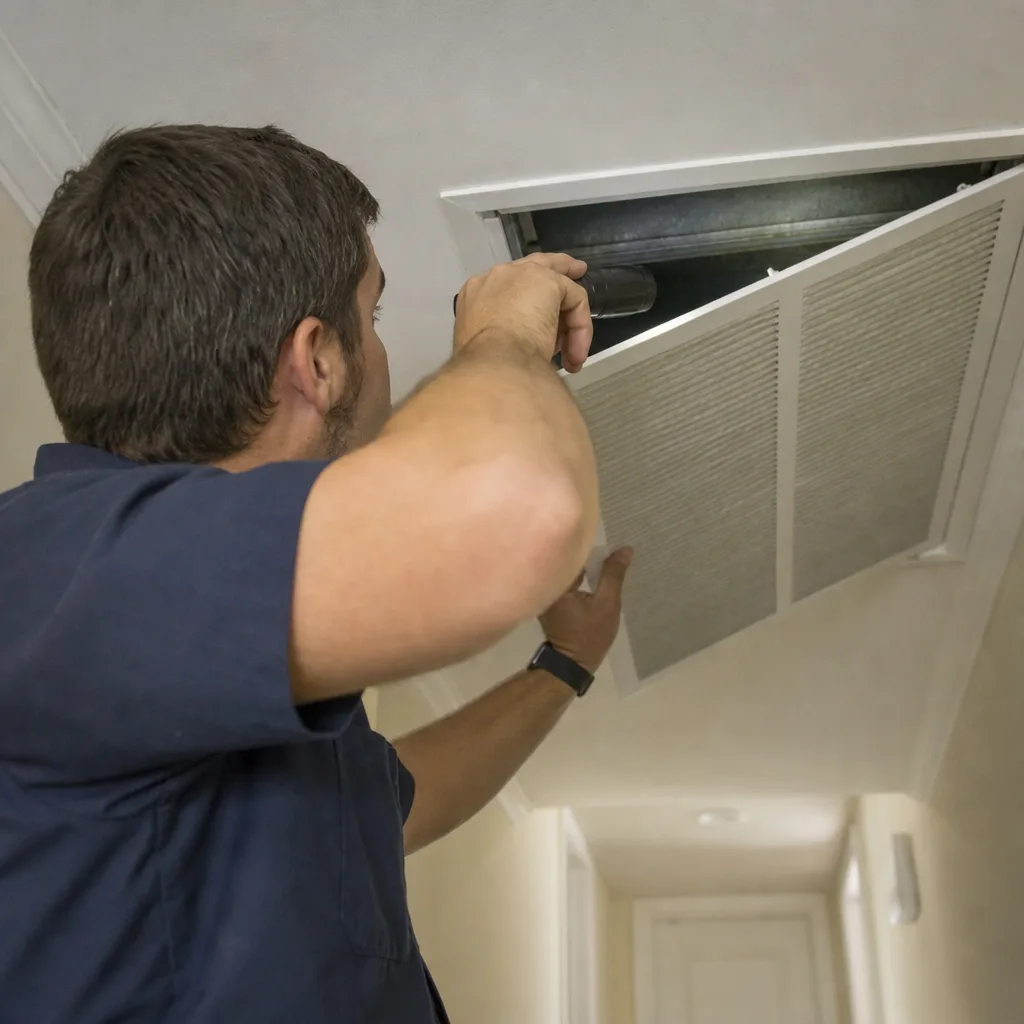
 AC repair
 Furnace & heating
 Heat pumps
 Ductless mini splits
 Carrier
 Trane
Trane Goodman
Seasonal tune-up and full diagnostic on your Carrier, Trane, or Goodman system - readings shown to you before any repair is proposed
Diagnosis first, numbers second - you approve the repair price before a single part goes in.
Get your free estimateAC Repair Maintenance Checklist for Fort Worth Homeowners
Fort Worth will test your air conditioner harder than almost any city in Texas. Triple-digit afternoons arrive by late May and hang around until mid-September. What surprises most homeowners isn’t that AC systems fail here. It’s when they fail: not in August, when everyone expects strain, but in June, during the first real heat wave, when a winter’s worth of neglect meets 104°F demand. This guide sequences maintenance by the Fort Worth calendar so you know exactly what to check, when to check it, and what passes versus what needs a phone call.
Styles & brands we work with
Quick Answer
A Fort Worth AC maintenance checklist should follow the calendar: filter checks every 30 days during cooling season, coil cleaning twice a year timed to cedar and oak pollen seasons, and a professional capacitor, contactor, and refrigerant inspection every spring before the first 95°F day. The single highest-value DIY task is clearing the condensate drain line in May, because a clogged drain causes more June service calls in Fort Worth than any mechanical failure.
Table of Contents
- The Fort Worth Seasonal Maintenance Calendar
- Condensate Drain Line: The June Killer
- Filter Replacement Schedule for Fort Worth Dust and Pollen
- Coil Cleaning Timed to Cedar and Oak Pollen
- Capacitor and Contactor Inspection: What You Can Safely Check
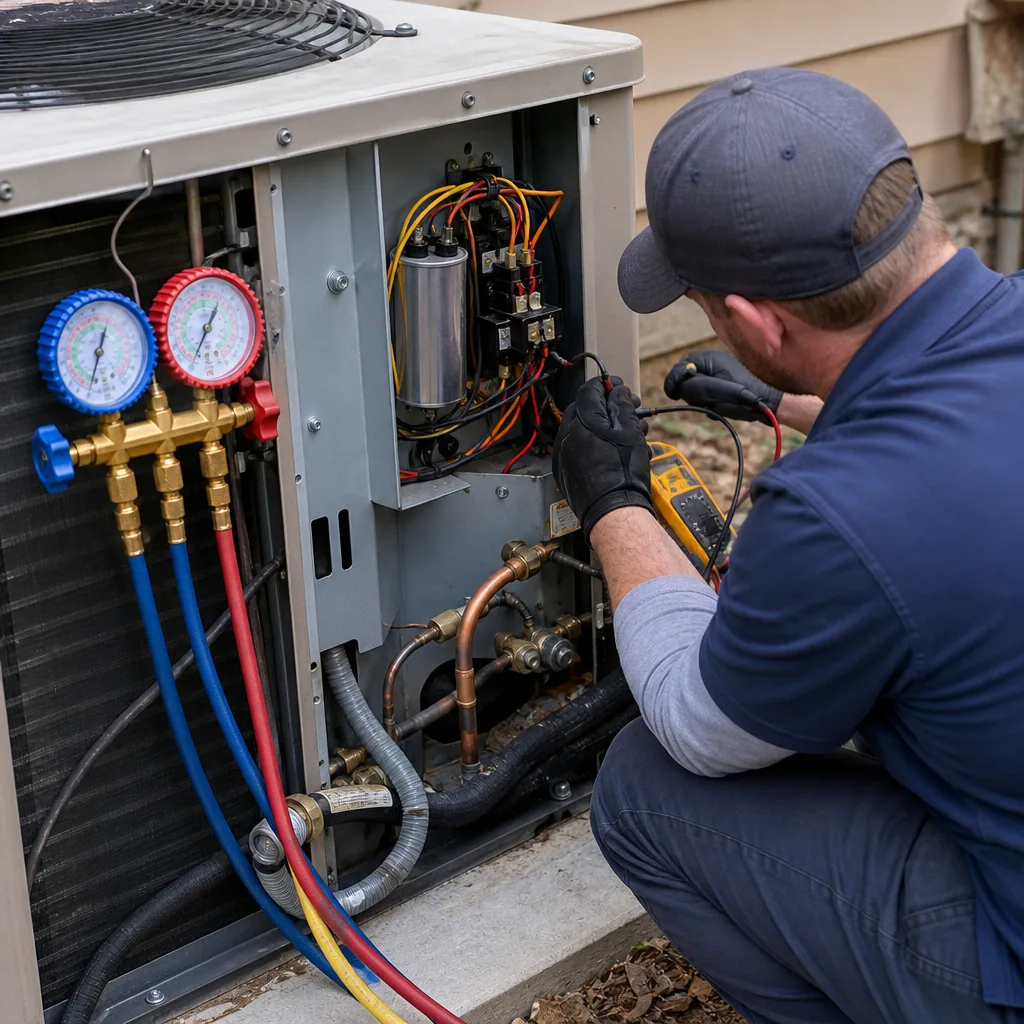
- Refrigerant: Why Gauges Are Not a DIY Item
- Thermostat Calibration and Fan Setting
- Outdoor Unit Clearance and Airflow
- Common Mistakes to Avoid
- When to Call a Professional
- Frequently Asked Questions
- The Bottom Line
The Fort Worth Seasonal Maintenance Calendar
Forget the manufacturer’s generic “service twice a year” advice. Fort Worth’s climate dictates its own schedule, and the difference between an AC that runs clean through August and one that strands you on a Saturday evening comes down to timing three tasks correctly.
Here is the sequence that matches how this city actually heats up:
- Early March: Replace the air filter after winter dust settles. Check outdoor unit for leaf accumulation from live oak leaf-drop season. Fort Worth’s live oaks shed leaves in March, not October, and those leaves get pulled against the condenser coil.
- Mid-April: Schedule professional capacitor and contactor inspection. This catches wear from winter inactivity before it becomes a June failure.
- Early May: Clear the condensate drain line with a wet-vac. This is the single most effective DIY prevention task on this entire checklist.
- Late May: First coil-cleaning window closes. Cedar pollen season runs December through February, oak pollen peaks in March and April. By Memorial Day, that pollen has baked onto coil surfaces and hardened.
- June through September: Filter checks every 30 days, no exceptions. Fort Worth dust plus AC runtime means filters load twice as fast in summer as they do in spring.
- October: Second coil-cleaning window opens. Summer dust and cottonwood debris from the Trinity River corridor flush out during fall rains.
- November: Switch to heat mode and run the system for 20 minutes to burn off dust and verify the reversing valve engages on heat pump systems. A heat pump installation in Fort Worth needs the same seasonal discipline as conventional AC.
If you only remember two dates from this calendar, make them mid-April for the professional inspection and early May for the drain line. In our experience across Fort Worth neighborhoods from Wedgwood to Saginaw, those two tasks prevent more breakdowns than everything else combined.
Condensate Drain Line: The June Killer
A clogged condensate drain line is the number one cause of June AC service calls in Fort Worth. The line carries condensation from the indoor coil to the outdoors, and when dust, algae, or pollen sludge blocks it, water backs up into the drain pan. Most modern systems have a float switch that shuts the whole unit down when the pan fills, which is why a clogged drain often looks like a mysterious “AC just quit” situation on the hottest afternoon of the year.
Here is the quick DIY check, and it takes ten minutes:
- Find the indoor unit. In most Fort Worth homes it is in a closet, attic, or garage. Locate the drain pan underneath it.
- Look at the water level. A thin film of water is normal. Standing water deeper than roughly 3/4 inch that does not drain within an hour means the drain line is partially blocked and trending toward full clog.
- If the water level is below 3/4 inch and draining slowly, clear the line yourself: attach a wet-vac to the drain line’s exit pipe outside the house and pull suction for 60 seconds. This usually dislodges sludge.
- If the pan is full and the system will not turn on, the float switch has tripped. Clear the line, then dry the switch with a cloth. The system should reset within 30 minutes.
- If the pan is full and the system still runs, you have a cracked or misaligned pan, which needs a professional repair before water damages the surrounding drywall.
The threshold that matters: standing water above 3/4 inch. Below that, clear it and move on. Above that, or if you see water staining on the ceiling below an attic unit, call for AC repair in Fort Worth before the damage spreads.
Filter Replacement Schedule for Fort Worth Dust and Pollen
Fort Worth air is hard on filters. Between the dust that blows in from West Texas, the pollen cycle that runs nearly year-round, and the constant construction in growing areas like Alliance and Chisholm Trail Parkway, filters load faster here than they do in Dallas or Houston.
The rule we tell every homeowner: check the filter visually every 30 days during cooling season, regardless of what the packaging says. A filter can look dirty in two weeks during a dry, windy July. When you can no longer see daylight through it when held up to a bulb, it is done.
For MERV rating, Fort Worth systems work best between MERV 8 and MERV 11 during high-dust months. Here is why the number matters:
- MERV 8: Traps pollen, dust mites, and basic household dust. Lowest airflow restriction. Good for older systems or ductwork with tighter clearances.
- MERV 11: Traps finer particles including pet dander and some smoke particulates. Slightly more airflow restriction. Best for newer systems with variable-speed blowers.
- Above MERV 11: Avoid for standard residential systems. The dense media starves airflow, which drops efficiency and can freeze the indoor coil. Fort Worth’s hot, humid summers already make coils work hard; a restrictive filter pushes them toward freeze-up.
During oak pollen season in March and April, switch to a fresh filter at the start and end of the season even if it does not look heavily loaded. Pollen coats fibers invisibly and reduces airflow long before the filter looks brown.
Coil Cleaning Timed to Cedar and Oak Pollen
Most maintenance guides say “clean the coils once a year.” In Fort Worth, that is wrong. The city has two distinct pollen seasons that coat coils at different times, and the buildup behaves differently depending on which one hit your system.
Here is what we see in the field:
- Cedar pollen (December through February): Mountain cedar drifts in from the Hill Country and coats outdoor condenser coils with fine, sticky dust. It clings to the aluminum fins and bakes on during the first warm days of spring. By May, it has hardened into a crust that plain water spray will not remove.
- Oak pollen (March through April): Fort Worth’s abundant live oaks and red oaks produce heavier, grittier pollen. It packs into coil fins and blocks airflow, which raises head pressure and shortens compressor life.
The sequence that prevents the worst damage:
- Early May: Clean the outdoor coil after cedar season ends and before the first heat wave. Use a coil-specific foaming cleaner and a gentle hose spray, never a pressure washer, which folds the fins flat and destroys airflow.
- Mid-October: Clean the outdoor coil again after summer dust and cottonwood debris accumulate. This second cleaning is what gets Fort Worth systems through the heating season without carrying a summer’s worth of grime into winter.
- Indoor coil: The evaporator coil in the indoor unit should be inspected by a professional every spring. Access usually requires opening the air handler, and a homeowner can easily bend the delicate fins or crack the drain pan. We check indoor coils during every furnace repair in Fort Worth visit in the fall so the system is clean before heating season.
If your outdoor coil looks like it has a gray-green film you cannot rinse off with a garden hose, that is baked pollen. A foaming coil cleaner left to dwell for 15 minutes will lift most of it. If it will not budge, the coil needs professional cleaning before the summer heat load arrives.
Capacitor and Contactor Inspection: What You Can Safely Check
The capacitor and contactor are the two electrical components that fail most often in Fort Worth AC systems, and both failures look the same to a homeowner: the outdoor unit hums but will not start, or the fan spins but the compressor does not kick on.
The safest inspection position is: do not open the electrical panel. Capacitors store voltage even after power is cut, and a discharged capacitor can deliver a shock severe enough to cause serious injury. The panel is sealed for a reason.
What you can safely observe from outside the outdoor unit:
- Listen for a repeated clicking sound from the outdoor unit when the thermostat calls for cooling. Clicking followed by a hum, then nothing = likely a failed capacitor or contactor. Clicking followed by startup = normal operation.
- Watch the fan during startup. If the fan blade starts slowly, wobbles, or needs multiple attempts before reaching full speed, the capacitor is weak and on its way out.
- Look for visible bulging or oil leakage on the capacitor when the panel is opened by a professional. A capacitor that looks swollen at the ends is on borrowed time. This is a professional observation, but you can ask the tech to show you the old capacitor before they swap it out.
- Check the contactor points by asking the technician to show them to you during a spring inspection. Pitted, blackened, or arc-damaged contact points mean the contactor is burning out. A $40 contactor replaced in April prevents a $250 emergency call in July.
A professional inspection from a company like Dalton Heating & Air Fort Worth home includes testing both components under load and replacing anything marginal before it fails on a 100°F afternoon. The inspection takes about 30 minutes, and it is the single best insurance policy against mid-summer breakdowns that most homeowners never think about until it is too late.
Refrigerant: Why Gauges Are Not a DIY Item
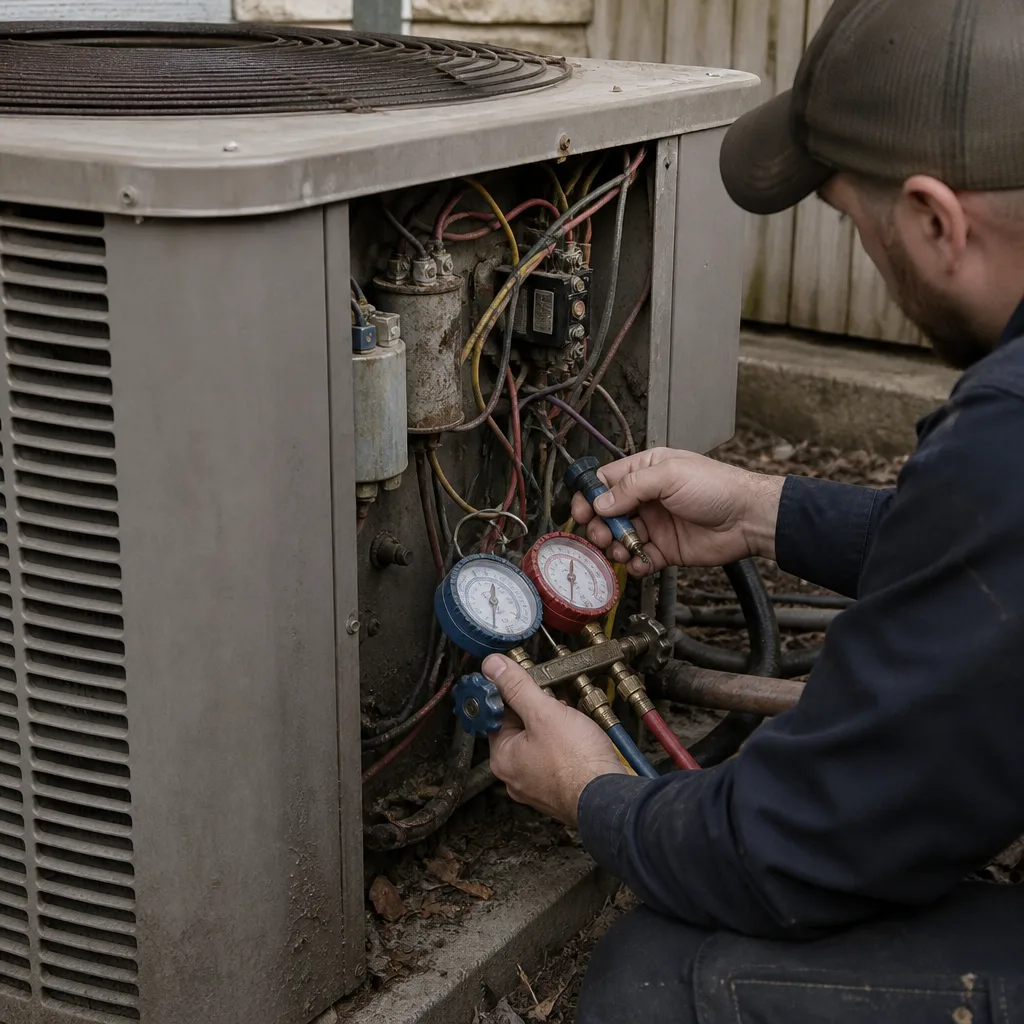
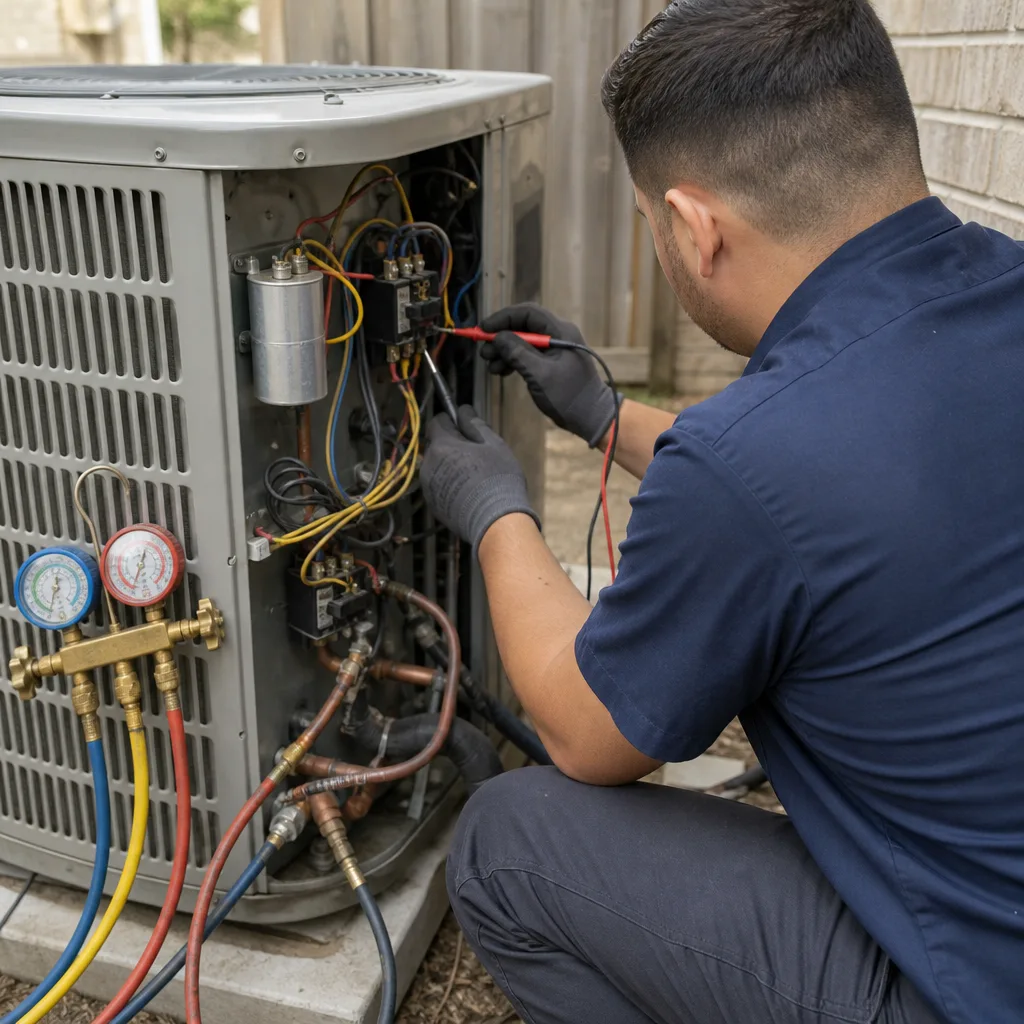
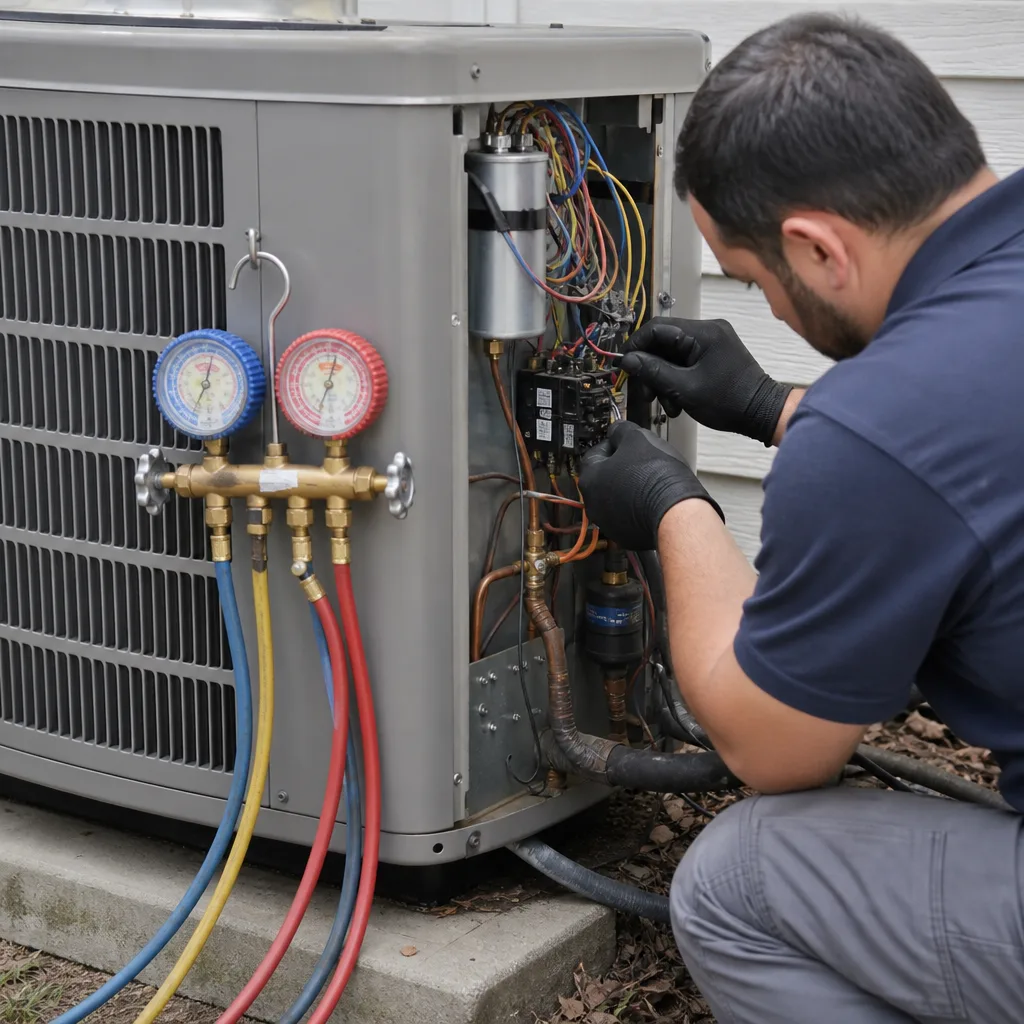
Refrigerant is the area where the biggest gap exists between what a homeowner reads online and what is actually safe and legal to do. Let’s be direct: pressure gauges are not a DIY tool. Refrigerant handling is regulated by the EPA under Section 608, and connecting gauges without proper training and certification is both illegal and dangerous. System pressures can exceed 400 PSI on a hot Fort Worth day, and a bad gauge connection can spray liquid refrigerant onto skin, causing frostbite burns.
What a homeowner can and should do:
- Know the signs of low refrigerant: the system runs constantly but the house will not cool below 78°F on a 95°F day; the indoor coil ices over; the copper line at the outdoor unit is cold and sweating even when the system is off.
- Ask the technician what the subcooling number is. A proper refrigerant check measures subcooling, not just pressure. Subcooling on most residential systems should land between 8°F and 12°F. If a tech only reads pressures and says “looks fine,” they did not check the charge properly.
- Request a leak search if refrigerant is low. Refrigerant does not wear out. If it is low, there is a leak. A good technician will use an electronic leak detector or UV dye to find the source before adding refrigerant. Adding refrigerant without finding the leak is like pumping air into a tire with a nail in it.
- Ask if the system is compatible with the original refrigerant. Systems built before 2010 usually run R-22, which is no longer manufactured and costs significantly more per pound. Many Fort Worth homeowners with older systems are choosing to replace rather than repeatedly recharge an R-22 system. A heat pump installation in Fort Worth often costs less over five years than repeatedly patching a leaking R-22 unit.
Refrigerant checks belong on every professional spring tune-up, and a written before-and-after reading is part of what Dalton Heating & Air includes on every service call. The price is in writing before any work starts, and the guarantee on the repair is in writing too.
Thermostat Calibration and Fan Setting
A thermostat that is off by even 3 degrees changes how your entire system runs. In Fort Worth, where the shoulder season swings from 50°F mornings to 90°F afternoons, a miscalibrated thermostat can cause short-cycling, which wastes energy and accelerates compressor wear.
Two specific checks for your thermostat:
- Verify calibration with a separate thermometer. Place a basic digital thermometer next to the thermostat for an hour. If the reading differs by more than 2 degrees, calibrate or replace. Older mercury-bulb thermostats in Fort Worth homes built before 1990 are often off by 5 degrees or more after decades of heat exposure.
- Set the fan to AUTO, not ON. The ON setting runs the blower constantly, which in Fort Worth’s humid summer can re-evaporate moisture off the cooling coil back into the house. The result: higher humidity, higher electric bills, and no real comfort gain. The exception is homes with variable-speed systems and dedicated dehumidification modes, which run the blower at low speed intentionally.
If you have a smart thermostat, check that the temperature offset setting is not hiding a problem. Homes with west-facing thermostats that catch afternoon sun will read artificially high, causing the AC to run longer than needed. Relocate the thermostat or add a shield rather than using the offset to compensate forever.
Outdoor Unit Clearance and Airflow
The outdoor condenser unit needs breathing room. Fort Worth’s frequency of severe thunderstorms and high winds means debris accumulates against the unit faster than in calm climates, and many homeowners unknowingly choke their system by letting shrubs, fences, or stored items crowd the airflow.
The pass/fail standards:
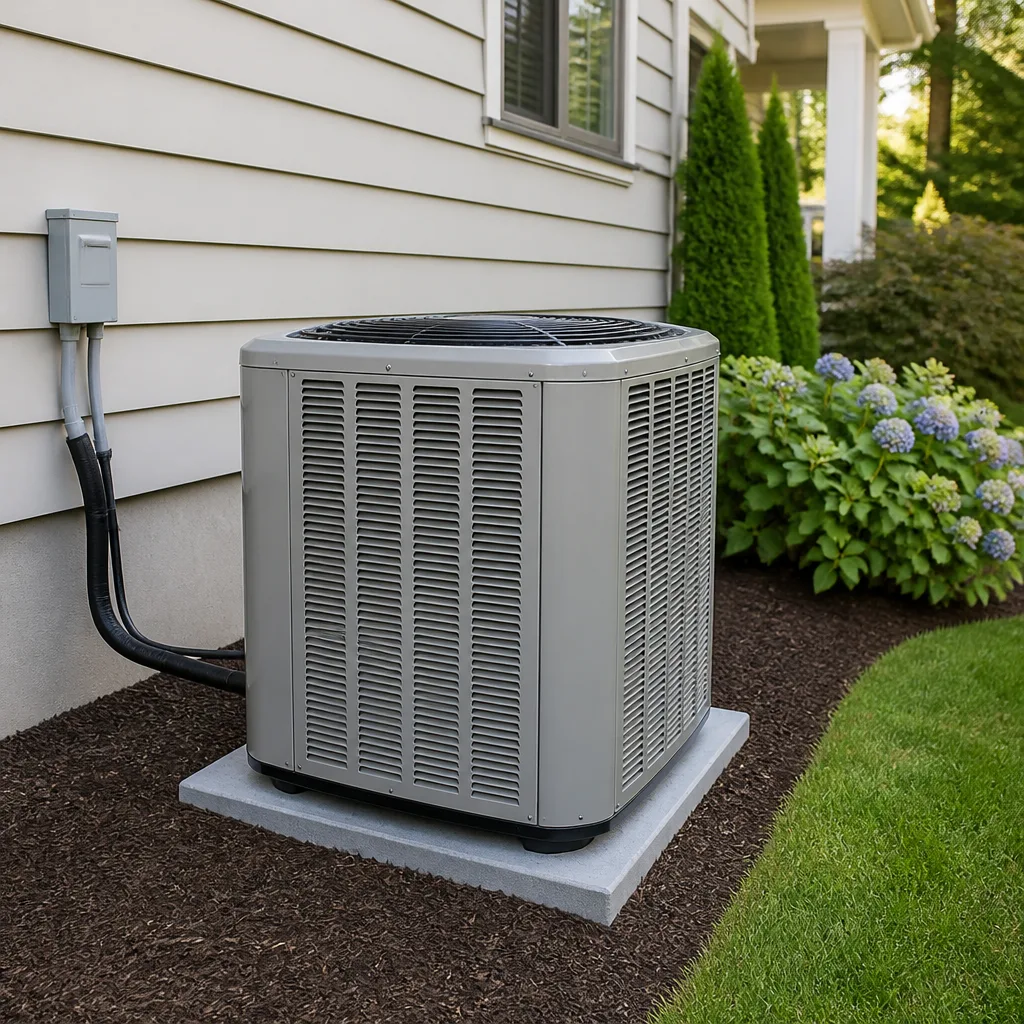
- Side clearance: At least 24 inches on all sides of the condenser. Fort Worth’s common shrub choices, like boxwood and Indian hawthorn, grow into this clearance zone within two years if not trimmed.
- Top clearance: Nothing over the top of the unit within 5 feet vertically. The fan discharges hot air upward, and a covered patio or low tree branch recirculates that heat back into the coil.
- Unit level: The pad should be level within about 1/4 inch per foot. Fort Worth’s expansive clay soil shifts with moisture changes, and condenser pads in older neighborhoods like Ryan Place and Berkeley Place frequently tilt enough to starve the compressor oil.
- Coil fin condition: Fins should be straight and visible. After a hailstorm, inspect for flattened fins. Heavily dented fins reduce airflow and need combing or replacement.
Most of this is DIY-observable in five minutes. Walk around the unit, look at the gaps, check that nothing has fallen or grown into the space, and make sure the pad is level. Clearing debris and trimming shrubs costs nothing and prevents overheating on the hottest Fort Worth afternoons.
Common Mistakes to Avoid
- Replacing the filter only when you remember. In Fort Worth’s dust-heavy summers, a forgotten filter can restrict airflow enough to freeze the coil within three weeks. Put a recurring calendar reminder on your phone for the 1st of every month from June through September.
- Using a pressure washer on the outdoor coil. The high-pressure spray folds aluminum fins flat against the coil, permanently reducing airflow. A garden hose with a spray nozzle at medium pressure is the maximum safe force.
- Waiting until the AC quits to open the electrical panel. By the time a capacitor fails completely, the compressor may have already been damaged by repeated hard-start attempts. Spring inspection replaces marginal parts before they cascade.
- Ignoring a slow drain line because “it still works.” The float switch that protects your ceiling will eventually trip, but only after the pan has been holding water long enough to rust or crack. A pan replacement costs far more than ten minutes with a wet-vac in May.
- Adding refrigerant without finding the leak. This is the most expensive mistake we see. Refrigerant does not evaporate from a sealed system. If it is low, there is a hole, and the hole will leak again. Every dollar spent on refrigerant without a leak search is a dollar spent twice.
- Closing too many supply vents to “save energy.” Closing more than about 20% of your vents raises static pressure, strains the blower motor, and can freeze the coil. Fort Worth homes with two-story layouts already have pressure imbalances; closing vents on the upper floor makes it worse.
- Skipping the fall heat-check because “it is still warm.” The first cold snap in November is the worst time to discover your reversing valve failed over the summer. Run heat mode for 20 minutes in October, even if it is 75°F outside.
When to Call a Professional
Most of the checklist above is DIY-observable. A few situations require training, tools, and experience:
- The condensate pan is cracked, rusted, or overflowing despite a clear drain line.
- The system trips its breaker more than once, which points to an electrical fault in the compressor or fan motor.
- You hear grinding, screeching, or metal-on-metal sounds from either unit.
- The house will not cool below 80°F on a 95°F day, and the filter and coils are clean.
- The indoor coil is iced over, which usually means low refrigerant or restricted airflow that needs diagnosis.
- You suspect a refrigerant leak, because refrigerant handling is regulated and dangerous when mishandled.
Dalton Heating & Air Fort Worth offers free estimates in Fort Worth. Call (817) 730-5369 and a live person answers, 24/7. The price goes in writing before any work starts, and every repair carries a written one-year guarantee. If the repair fails inside that year, we return at no charge.
Frequently Asked Questions
Every 30 days during cooling season, which in Fort Worth runs roughly April through October. The dust and pollen load in Tarrant County means filters clog faster than the “90 days” printed on most filter packaging. Check visually at the 30-day mark and replace if you cannot see light through the filter.
A clogged condensate drain line is the most common AC failure in Fort Worth during June, and a failed capacitor is the most common mechanical failure during July and August. Both are preventable: clear the drain line with a wet-vac in early May, and schedule a capacitor inspection in April before the heat arrives.
If your system is over 10 years old, runs R-22 refrigerant, and needs a repair that costs more than about 30% of a replacement system’s price, replacement usually wins. A heat pump installation in Fort Worth with a modern R-410A or R-454B system typically pays back through lower electric bills within five to seven years, especially given how hard Fort Worth summers run a cooling system. Get the repair quote in writing first, then compare.
A clogged condensate drain is a blockage in the PVC pipe that carries condensation from your indoor cooling coil to the outside. You will know because the air handler’s drain pan will hold standing water, the system may shut down without warning on a hot day, or you will see water staining on the ceiling below an attic unit. Standing water deeper than 3/4 inch in the pan means the line is blocked or draining too slowly.
You can clean the outdoor condenser coil yourself using a coil-specific foaming cleaner and a gentle garden hose spray. The indoor evaporator coil is a different story: accessing it requires opening the air handler, and the fins are easily bent or crushed. Leave the indoor coil to a professional during a spring tune-up. In Fort Worth, clean the outdoor coil twice a year, after cedar season ends in May and again after summer dust settles in October.
Constant running with no cooling has three common causes in Fort Worth: a refrigerant leak, a failing compressor, or a severely restricted airflow from a dirty filter or coil. Start with the filter: replace it, clear the drain line, and rinse the outdoor coil. If the house still will not cool below 80°F on a hot day, call for AC repair in Fort Worth. Gauges and refrigerant work require a licensed professional.
Yes. Dalton Heating & Air services all nine major residential HVAC brands including Carrier, Trane, Lennox, Goodman, Rheem, York, Daikin, Bryant, and American Standard. Our technicians are factory-trained on each brand we service, and every repair carries the same written one-year guarantee regardless of equipment manufacturer.
The Bottom Line
Your Fort Worth AC does not fail in August because of anything that happened in August. It fails because of what did not happen in March, April, and May. The filters that were not checked, the drain line that was not cleared, the capacitor that was not inspected, the pollen that was not washed off the coil. The checklist above gives you the pass/fail standards and the calendar timing to run your system clean through the cooling season. Do the DIY tasks. Schedule the professional inspection. And when you need a written price before work starts, a one-year guarantee in writing, and a live person on the phone at 2 a.m., call (817) 730-5369.
Written by Marco Benitez, Owner at Dalton Heating & Air Fort Worth, serving Fort Worth since 2003.
See the difference
 Before
 After
After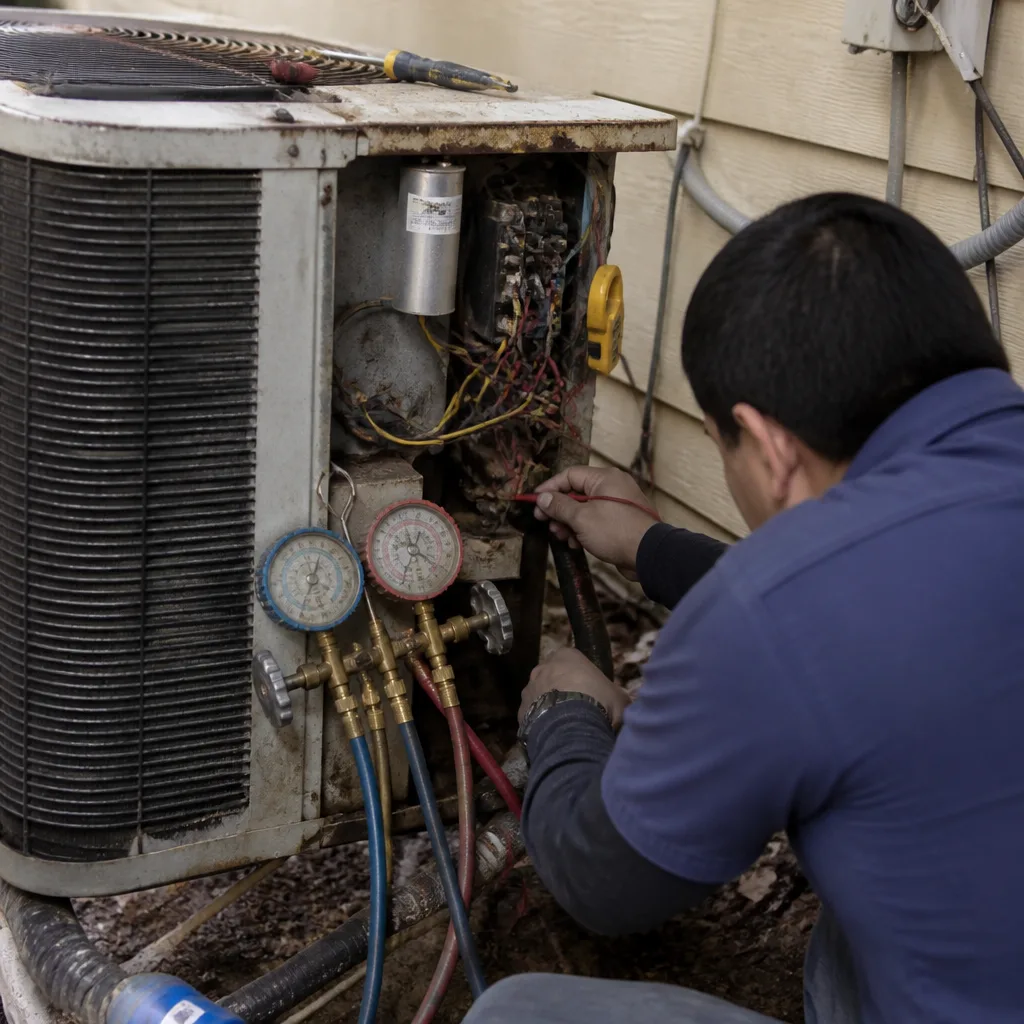 Before
 After
After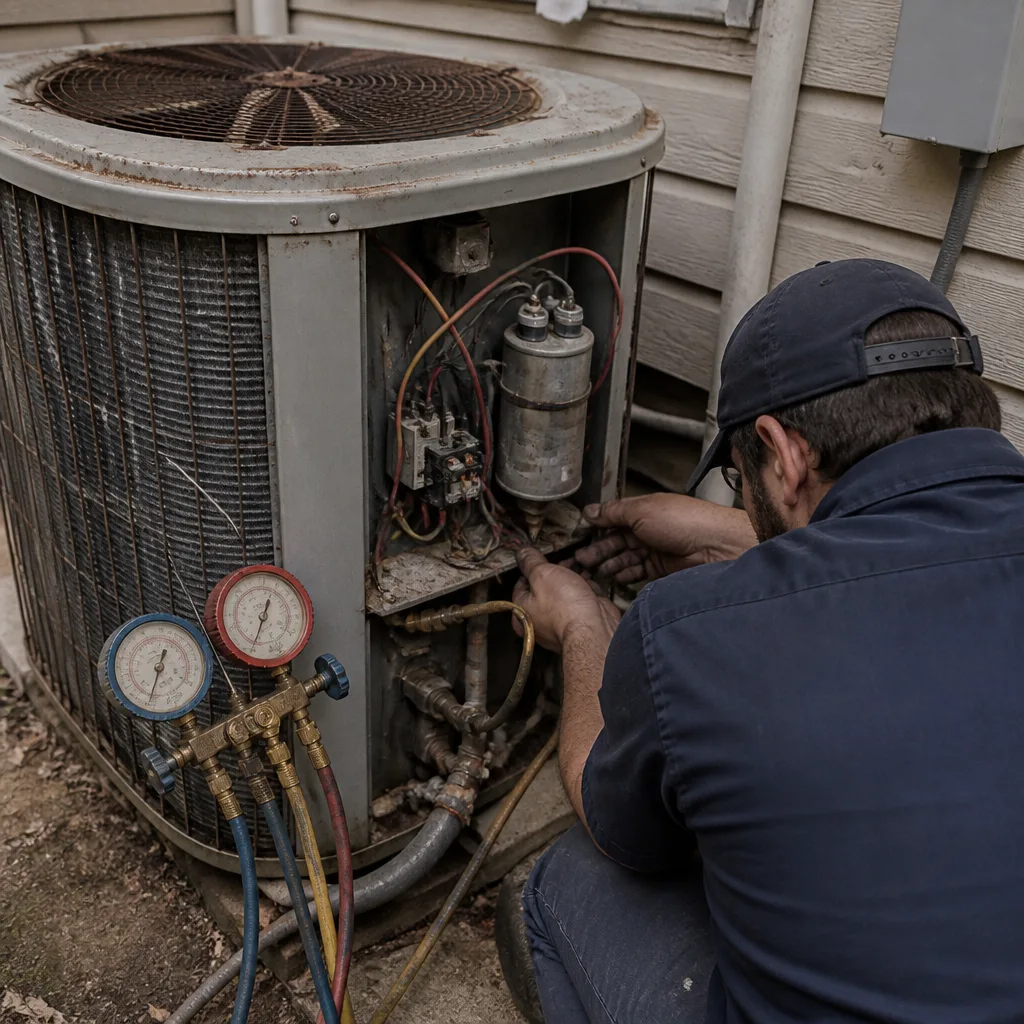 Before
 After
After