
Last updated October 16, 2026
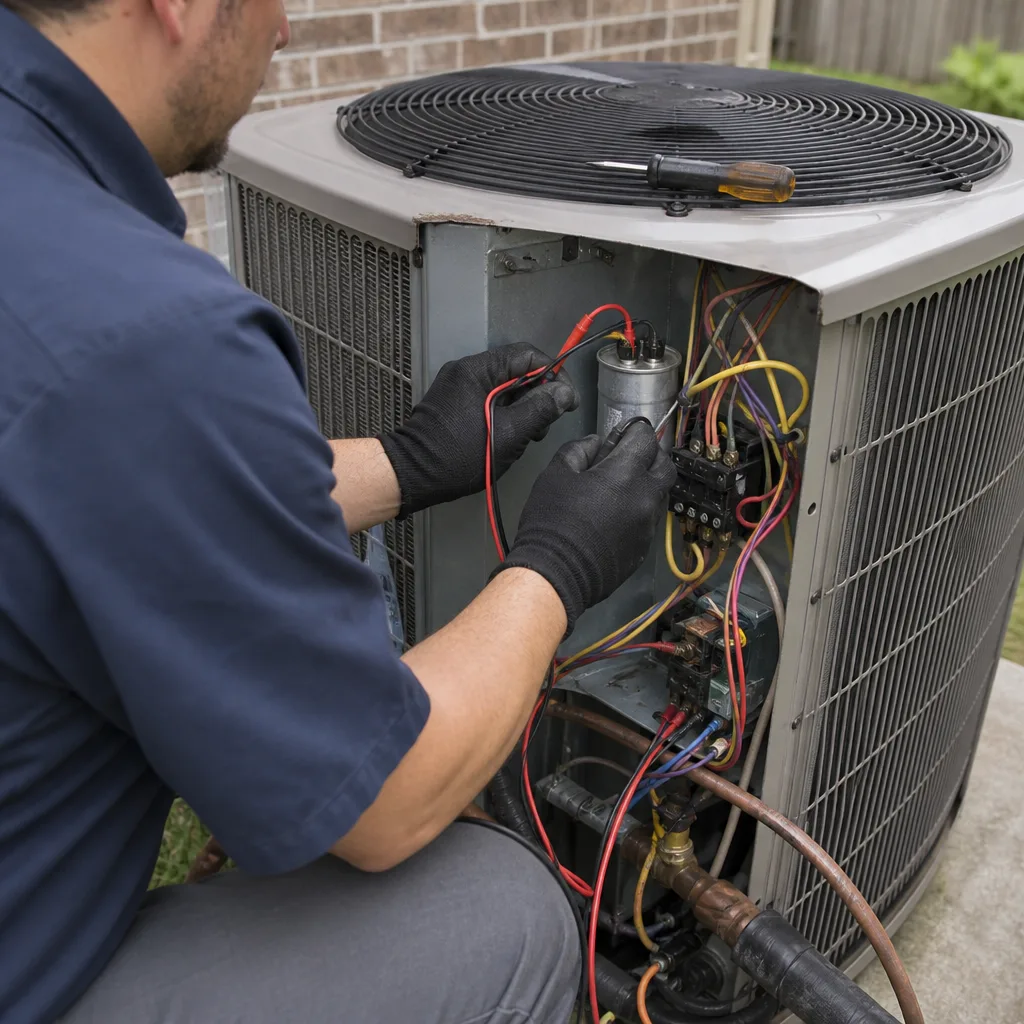
 AC repair
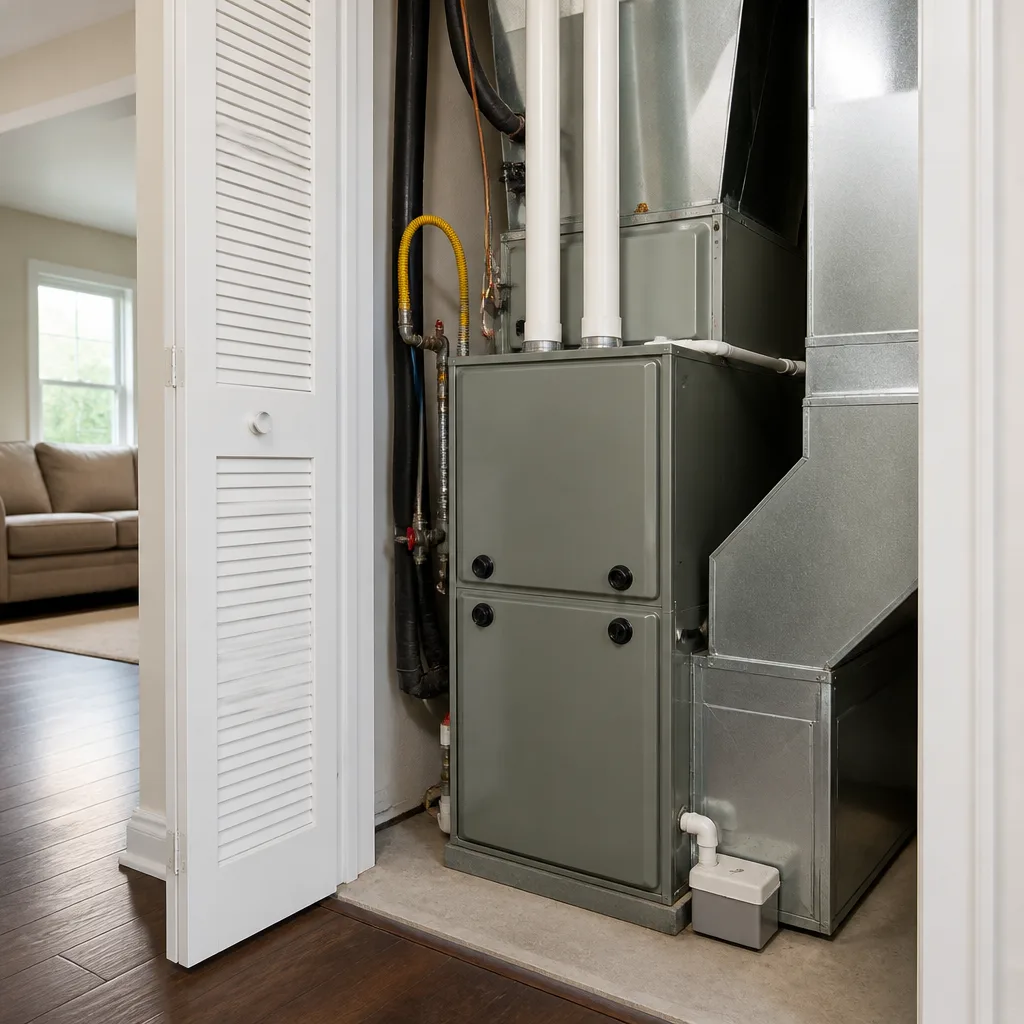 Furnace & heating
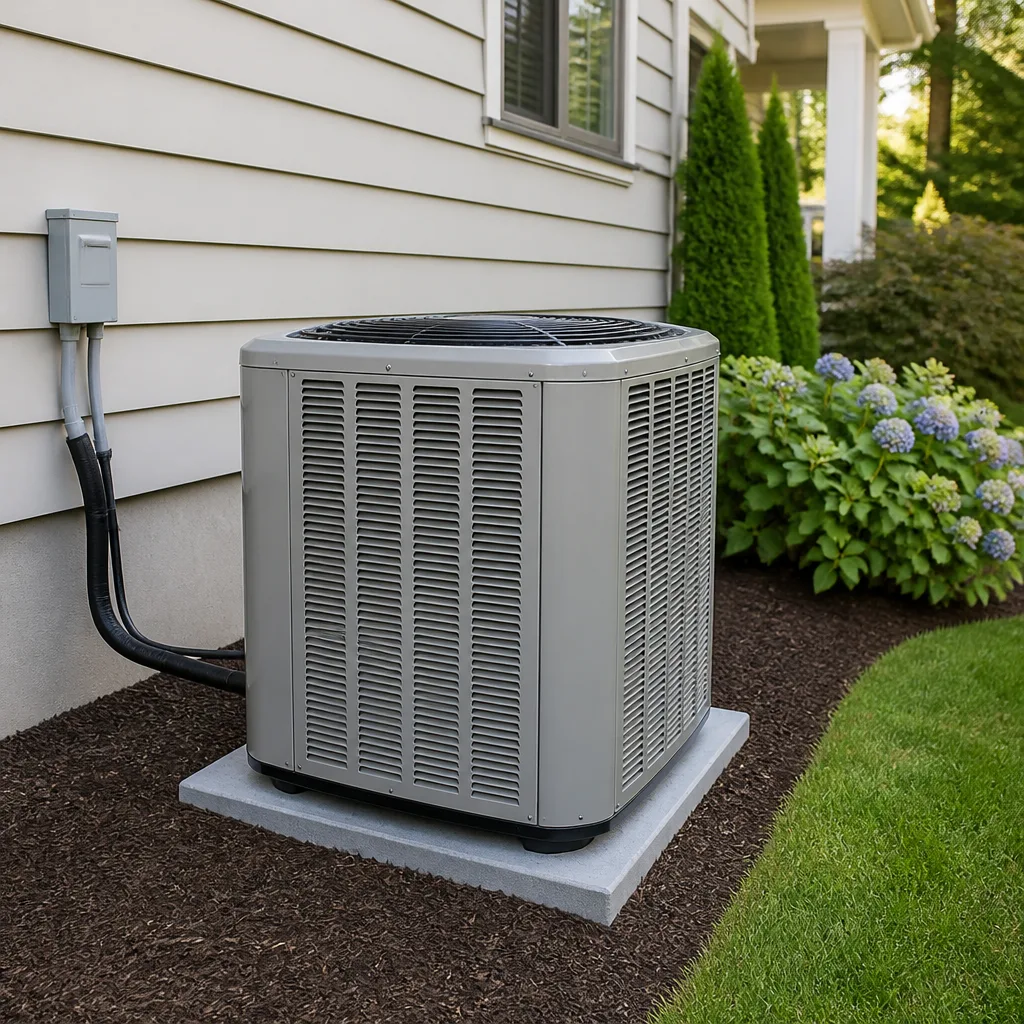
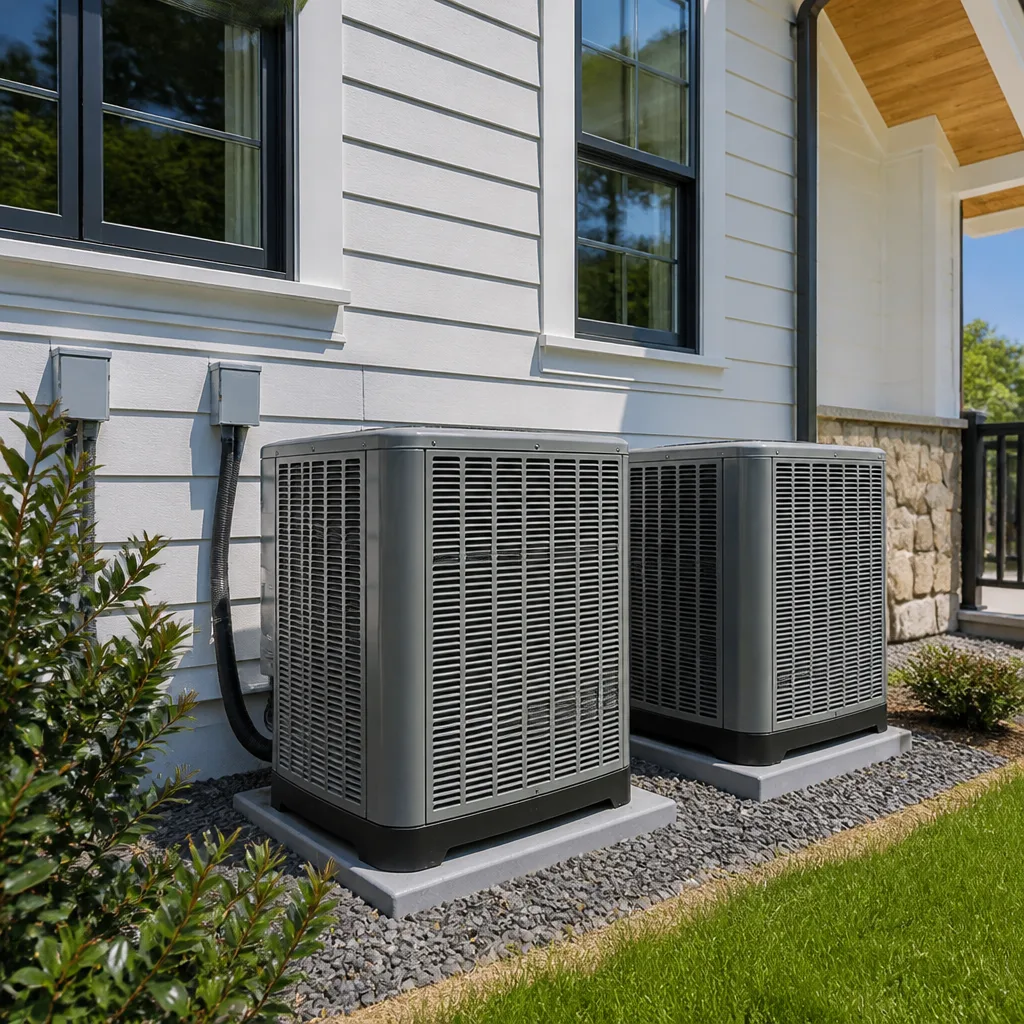 Heat pumps
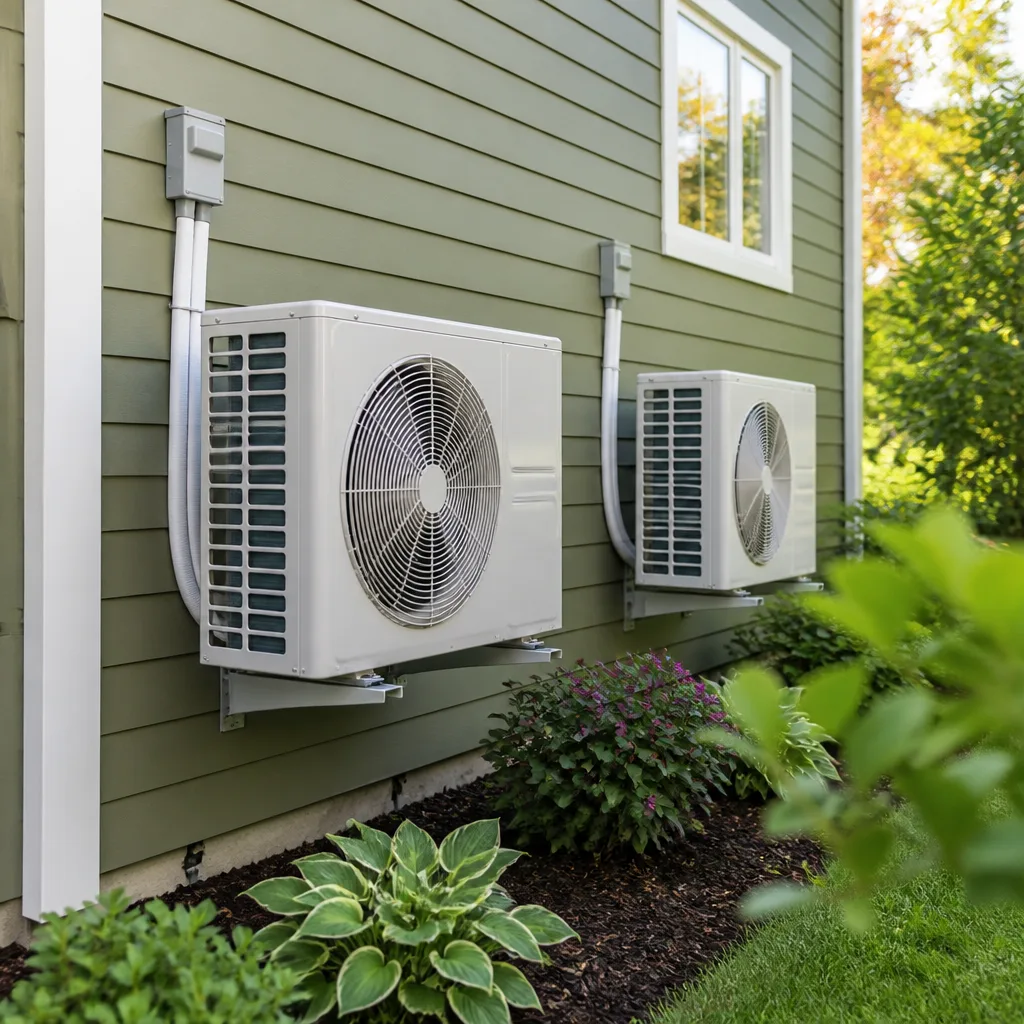 Ductless mini splits
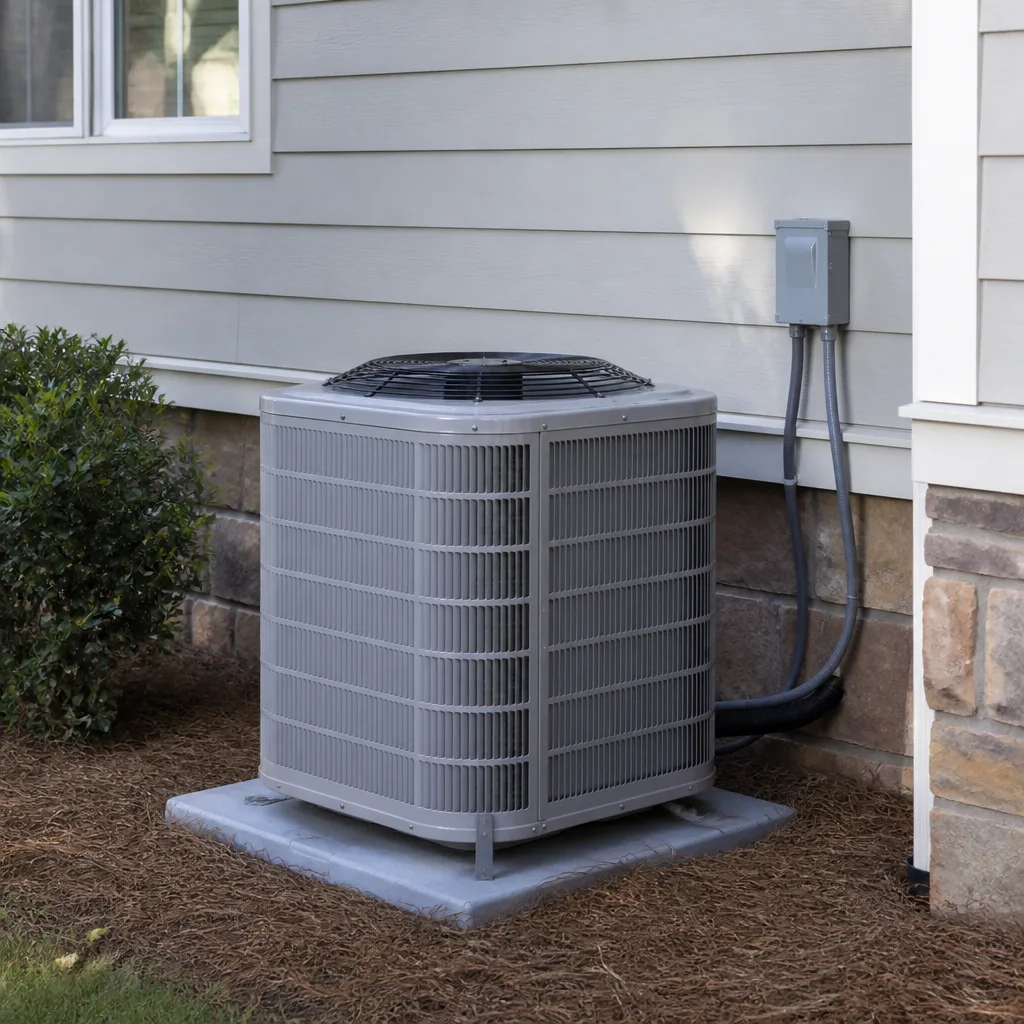 Carrier
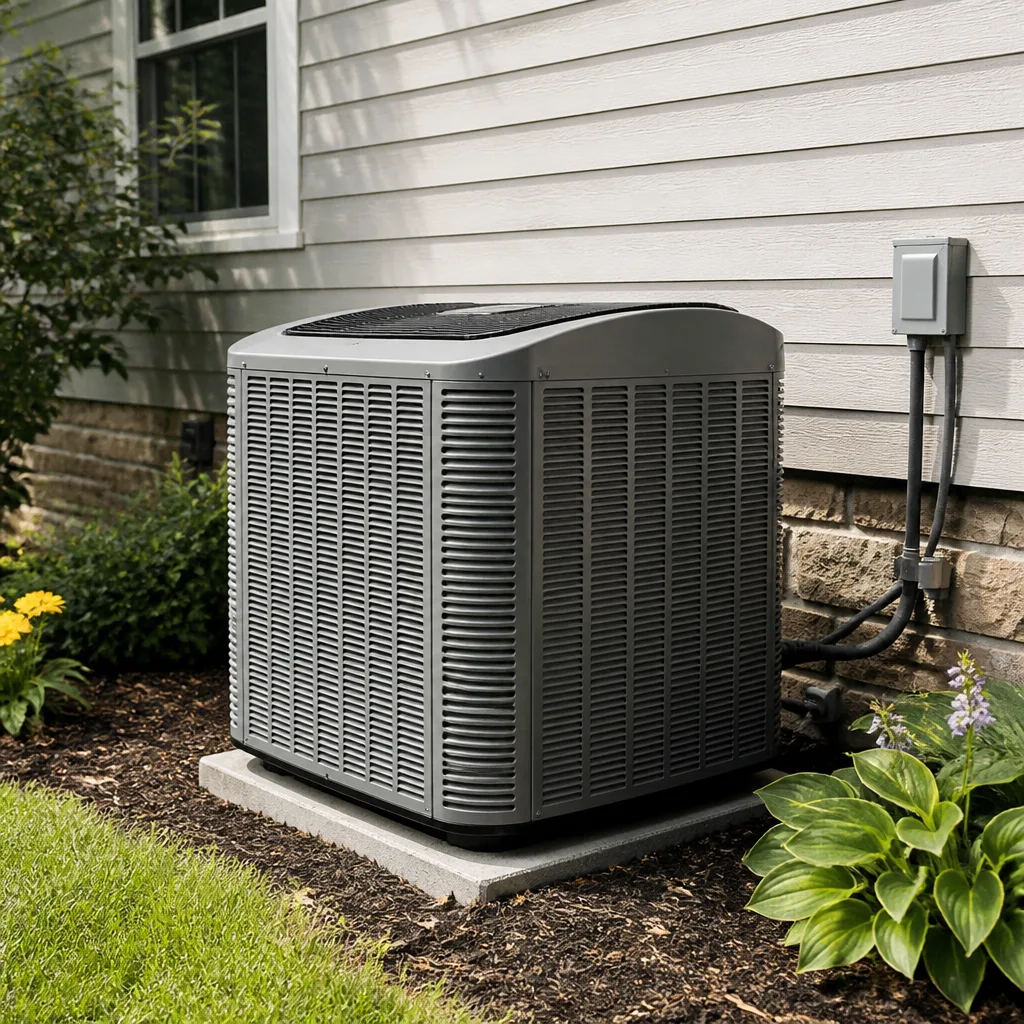 Trane
Trane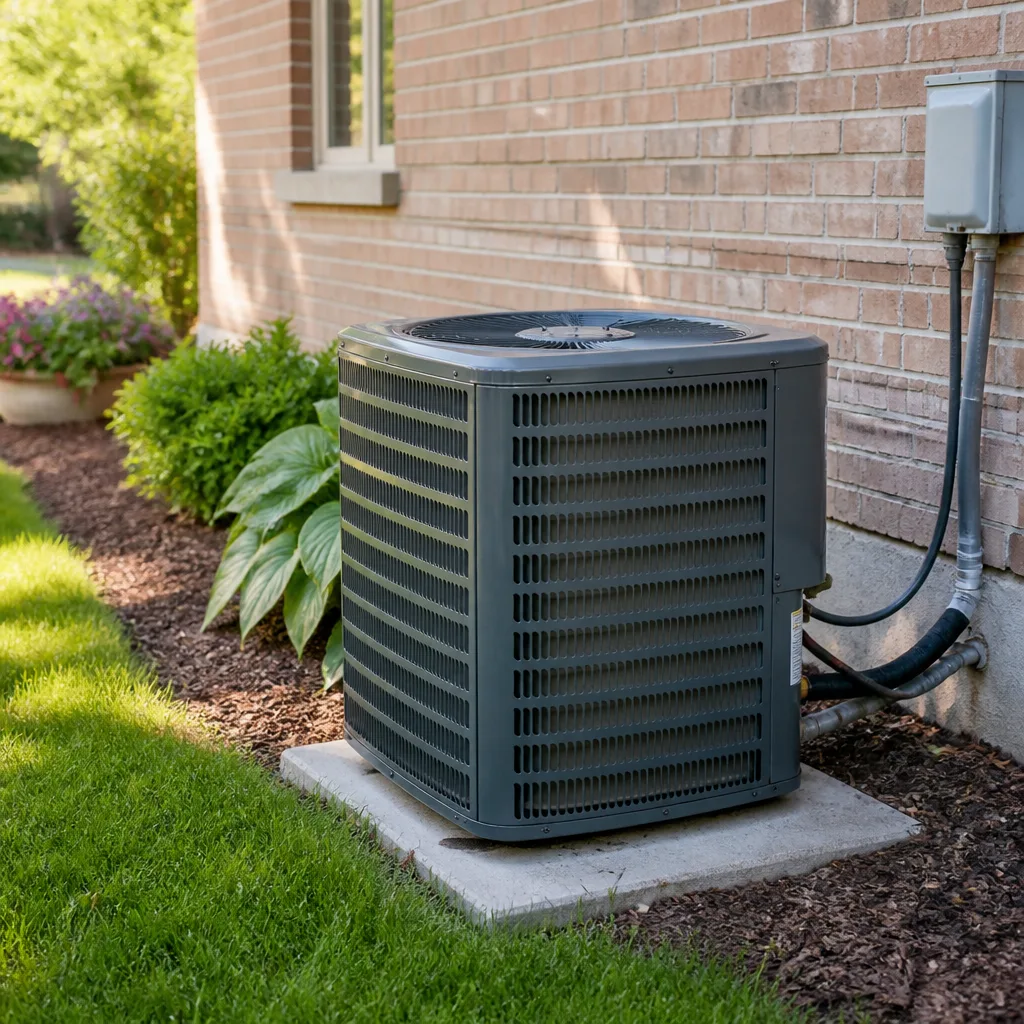 Goodman
Seasonal tune-up and full diagnostic on your Carrier, Trane, or Goodman system - readings shown to you before any repair is proposed
Diagnosis first, numbers second - you approve the repair price before a single part goes in.
Get your free estimateHVAC Warning Signs: A Fort Worth Homeowner’s Reference Guide
Most HVAC warning-sign articles list symptoms without telling you what to measure, which makes them useless when you’re standing in front of a running system trying to decide whether to call a technician today or wait a week. A 3°F difference between what your thermostat is set to and what your supply vent is actually delivering is normal; a 12°F difference on a 95°F day is a failing compressor, and the only thing separating those two readings is a $12 infrared thermometer. This guide pairs each warning sign with a specific observable test you can do right now, plus a clear call-it-or-wait threshold. For a broader overview, see The Complete Guide to HVAC in Fort Worth. By the time you finish reading, you’ll know which sounds, readings, and behaviors from your HVAC system in Fort Worth are worth a service call and which ones are just normal operation.
Quick Answer
The most reliable HVAC warning signs a homeowner can detect without professional tools are: a supply-to-return temperature split outside 15 – 20°F during summer cooling, ice forming on the refrigerant line at the outdoor unit, a rising utility bill with no matching change in thermostat settings, and specific sounds (a hard clunk, a metallic squeal, or a continuous rattle). If your system shows any of these combined with warm air from supply vents or an error code on the thermostat display, schedule a service call. Dalton Heating & Air Fort Worth answers calls 24/7 – (817) 730-5369.
Styles & brands we work with
Table of Contents
- The Delta-T Test: The Most Useful Number Homeowners Never Measure
- The Sound Diagnostic: Rattle, Squeal, Clunk, and What Each Means
- Refrigerant Warning Signs You Can Spot Without Gauges
- Thermostat Error Codes on Honeywell, Ecobee, and Nest: Plain-Language Translation
- The Utility Bill Test: Normal Fort Worth Summer Load Growth vs. Efficiency Loss
- Airflow Checks That Take Three Minutes
- Smells That Signal Trouble: What Each Odor Points To
- Short Cycling: The Pattern That Kills Compressors Early
The Delta-T Test: The Most Useful Number Homeowners Never Measure
Delta-T is the temperature difference between the air entering your system (return) and the air leaving it (supply). In air conditioning, a healthy delta-T on a hot Fort Worth afternoon is 15°F to 20°F. Below 15°F and your system is moving heat poorly or moving too much air. Above 20°F usually means low airflow across the indoor coil, which can lead to a frozen evaporator coil and expensive damage downstream.
Here is the step-by-step test:
- Run your AC for at least 15 minutes so temperatures stabilize.
- Take an infrared thermometer (you can buy one at any Fort Worth hardware store for $12 – $30, or use a digital cooking thermometer pressed against the vent).
- Measure the temperature at the return grille, the big vent where air is pulled in. Write the number down.
- Measure the temperature at a supply vent, one of the smaller vents blowing cooled air into the room. Write the number down.
- Subtract. The result is your delta-T.
On a 98°F day in Fort Worth, if your return air reads 78°F and your supply vent reads 58°F, you have a 20-degree split and a healthy system. If your return reads 78°F and your supply reads 70°F, that 8-degree split means the system is running but doing very little cooling work. In our experience in Fort Worth, that pattern usually points to a low refrigerant charge or a compressor that’s losing capacity. Neither fixes itself.
One more thing: this test works best on a day above 85°F. On a mild spring day, the split runs lower even on a healthy system, which is why so many homeowners think their AC is fine in April and get surprised by June. Our Seasonal HVAC Care for Fort Worth: Year-Round Homeowner’s Guide explains how to adjust your expectations by season.
The Sound Diagnostic: Rattle, Squeal, Clunk, and What Each Means
Your HVAC system makes normal sounds: the rush of air, the low hum of a running compressor, the click of a contactor engaging. Those are fine. The warning sounds are specific and each one points to a different component.
A continuous metallic rattle usually means something is loose: a panel, a screw, or a compressor mount. Monitor it for a week. If it stays the same and nothing else changes, it’s likely a minor mechanical nuisance. If the rattle gets louder or starts intermittent, schedule a visit before the loose part becomes a broken one.
A high-pitched squeal at startup points to a failing blower motor bearing or a slipping belt on systems with belt-driven blowers. This one is worth a service call within a week or two. Bearing failures start as noise and end as a seized motor, and a seized motor turns a $300 repair into a $900 replacement.
A hard clunk when the system shuts off is more serious. That clunk is often the compressor mount or internal compressor components shifting under stress. In Fort Worth, we see this frequently on systems with the original compressor still running after 12 or more Texas summers. Call this one in. A clunking compressor is a warning sign that it is working with damaged internals, and continued operation shortens whatever life it has left.
A buzzing or humming sound with no fan movement is the capacitor, the electrical component that starts the compressor and outdoor fan. If you hear the unit hum but the fan is not spinning, shut the system off at the thermostat and call the same day. Running a unit with a failed capacitor can overheat and damage the compressor, and compressor replacement is far more expensive than a capacitor. For urgent AC issues, our AC Repair in Fort Worth team handles same-day capacitor failures.
Refrigerant Warning Signs You Can Spot Without Gauges
Refrigerant is the working fluid that moves heat out of your house. A system low on refrigerant will not cool properly regardless of how long it runs, and the symptoms show up in ways a homeowner can identify without any professional gauges.
Ice on the copper line at the outdoor unit. The larger insulated copper line running from the outdoor condenser to the indoor coil should be cool and sweating on a hot day, never iced. Ice on that line means refrigerant pressure has dropped too low, or airflow across the indoor coil is restricted. Either way, shut the system off and leave it off. Running an iced system sends liquid refrigerant back to the compressor, which can destroy it.
Warm air from supply vents. Supply air should feel distinctly cooler than room air. If it feels lukewarm after 15 minutes of run time, run the delta-T test above. A split under 12°F on a Fort Worth summer day combined with the system running continuously is the classic signature of a low refrigerant charge.
Compressor cycling on and off more than three times per hour. Normal AC cycles run for 10 – 20 minutes at a time. If your outdoor unit is starting, running for two or three minutes, then shutting off on repeat, that can be the low-pressure safety switch cutting power to protect the compressor from a low refrigerant charge. It can also be an oversized system or a thermostat issue, but refrigerant is the first suspect in Fort Worth’s summer heat.
Refrigerant is not a consumable. A healthy system never needs a “top-off.” If someone tells you your system just needs a refrigerant recharge, topping off the cooling fluid your system needs to reach set temperature, without finding and fixing the leak, that is a temporary patch, not a repair. Our standard practice is to locate the leak, repair it, and recharge to the manufacturer’s specified charge. The price is in writing before any refrigerant touches your system, and the repair is guaranteed in writing for a full year.
Thermostat Error Codes on Honeywell, Ecobee, and Nest: Plain-Language Translation
Smart and programmable thermostats display error codes that read like nonsense unless you know the translation. Here are the most common ones Fort Worth homeowners show us on service calls and what they actually mean.
Honeywell
- Code 33 or “Heat On” flashing: The thermostat is calling for heat but the furnace is not responding. Check the power switch on the furnace, usually a light switch mounted on the side of the unit. Wait 15 minutes, then call if still flashing.
- “Cool On” flashing with no cooling: The thermostat is sending a cooling demand but the condenser is not running. This often indicates a tripped breaker, a failed capacitor, or a pressure switch lockout.
- “Aux Heat” solid on during summer: Your heat pump is running on backup electric strip heat while cooling. That is a configuration error or a failing reversing valve, and it will run your bill up fast.
Ecobee
- “The temperature is not changing” alert: The thermostat has called for heat or cool for a set time but the room temperature has not moved. This means the system is running but delivering nothing.
- “There may be a problem with the furnace” alert: The Ecobee detected no change in temperature after a heating call. Same issue, different wording.
- “Aux heat running too long” alert: Backup heat has been in use longer than usual. That is often a heat pump in defrost failure or a refrigerant problem.
Nest
- E79 / “No power to the R wire”: The thermostat has lost the 24-volt signal from the air handler. Check the furnace door switch; if the panel is even slightly ajar, the safety switch kills all low-voltage power.
- E195 / “No power to the Y1 wire”: The cooling circuit is not completing. Common causes: a blown low-voltage fuse on the indoor control board (often from a shorted contactor) or a failed condenser contactor.
- E24 / “Furnace has shut off too many times”: The Nest detected repeated limit switch trips, which means the furnace is overheating: a clogged filter, closed supply registers, or a failing blower are the usual culprits.
One tip for all brands: write down the exact code and take a photo of the screen before you call. That single step saves a diagnostic cycle. We’ve arrived at homes in Fort Worth where the code had cleared itself by the time we got there, and the homeowner could not remember what it said. A photo means the first visit is productive, not just investigative.
The Utility Bill Test: Normal Fort Worth Summer Load Growth vs. Efficiency Loss
Your electric bill rises in summer. That is normal. The question is how much rise is normal and when the rise is a diagnostic signal.
Method: pull your kWh usage for the same bill period from two consecutive summers, not just the dollar amount, since Fort Worth electric rates move. Then adjust for weather. If this July was 10% hotter than last July – Fort Worth routinely sees July runs above 100°F – expect a roughly matching jump in cooling energy. But if your kWh usage jumped 30% or more while the weather was similar, something inside the system has degraded.
Here are the patterns we see in Fort Worth when efficiency has dropped enough to justify a service call:
- Dirty or obstructed outdoor coil. A condenser coil buried in grass clippings, cottonwood seed, and Fort Worth’s fine clay dust cannot reject heat efficiently. The compressor works harder, runs longer, and consumes more power for the same cooling.
- Low refrigerant charge. Efficiency drops roughly 5 – 10% for every 10% undercharge, and the drop is invisible except on the bill and in the delta-T reading.
- Duct leakage. A 15% duct leak into a hot Fort Worth attic can add $200 – $400 to a summer cooling bill depending on the house. It also pulls humid Texas air into the duct system.
- Failing run capacitor. A weak capacitor makes the compressor run hotter and use more current. The compressor can survive for months this way, but the bill creeps up the whole time.
Our recommendation: if your summer kWh usage has risen more than 25% year over year after adjusting for weather, book a system check. The problem is usually found within the first hour. And if the check finds nothing, you have a baseline with written numbers, which makes any future comparison much easier. If you need furnace work before we hit fall, see our Furnace Repair in Fort Worth page.
Airflow Checks That Take Three Minutes
Airflow is invisible, so it never shows up on a list of visible warning signs, but restricted airflow is the root cause behind a surprising number of expensive failures: frozen coils, tripped limit switches, cracked heat exchangers, and shortened compressor life. Here are two checks that take longer to describe than to do.
Check 1: The filter test. Pull the filter and hold it up to a light or window. If you cannot see light through it, you have found your airflow restriction. In Fort Worth, where dust and pollen season runs long, a one-inch fiberglass filter may need replacement monthly during peak summer, and even a 4-inch media filter should be checked every 60 – 90 days. For a full maintenance schedule, see our AC Repair Maintenance Checklist for Fort Worth Homeowners. A clogged filter makes the blower work harder, reduces the delta-T, and can cause the indoor coil to ice over.
Check 2: The register walk. Walk through the house and feel each supply register with the system running. Air should come out with roughly equal force in every room. If one room’s register is weak and all the others are strong, you likely have a crushed flex duct or a disconnected duct branch in the attic. If all registers are weak, the restriction is at the filter, the indoor coil, or the blower itself. Duct problems are common in Fort Worth’s older ranch homes with original flex duct from the 1970s and 1980s.
Numbered rundown for the filter test:
- Turn the system off at the thermostat.
- Open the filter access door or slot.
- Remove the filter and note the arrow direction for reinstallation.
- Hold the filter up to a light source.
- If light passes through, reinstall and reset the reminder.
- If light does not pass through, replace with the same size and MERV rating. Do not jump to a higher MERV than the system was designed for; a MERV 13 filter on a system designed for MERV 8 creates its own restriction.
Smells That Signal Trouble: What Each Odor Points To
Your nose is a legitimate diagnostic tool. Most HVAC odors fall into a few specific categories, and each is worth reading carefully.
Dusty or burned smell on first startup in fall. This is normal. Dust collects on the heat exchanger over summer, and the first heating cycle burns it off. Ventilate the room for a few minutes. If the odor persists beyond an hour or smells like burning plastic, shut it down and call.
Rotten egg or sulfur smell during heating. In Fort Worth homes on natural gas, this is the odorant mercaptan added to natural gas. It means a gas leak or incomplete combustion. Leave the house and call the gas utility first, then a technician. Do not operate any electrical switches. Do not use a phone inside.
A sweet, ether-like smell near the indoor coil. Refrigerant most often leaks as a colorless, odorless gas, but on larger leaks, homeowners sometimes notice a sweet chemical smell. If the AC is running constantly with warm air at the vents, and you smell something sweet near the air handler, mention it on the call. It helps the diagnostic.
Musty or wet sock smell from the supply vents. This is biological growth on the indoor coil or in the drain pan. Fort Worth’s humidity makes this more common than in dry climates. The fix is cleaning the coil and pan and treating the drain line for algae, which grows fast in our warm, humid conditions. A properly sloped drain pan and a clean coil prevent recurrence.
Short Cycling: The Pattern That Kills Compressors Early
Short cycling is the HVAC term for on-off-on-off operation with only a few minutes between cycles. Normal AC runtime on a hot Fort Worth day is 10 – 20 minutes per cycle. Short cycling means the system is starting, running for under five minutes, cutting off, then starting again within 10 – 15 minutes.
Every compressor start is a stress event. The compressor motor pulls locked-rotor current for a fraction of a second, and the refrigerant pressures need a few minutes to equalize. Cut that cycle short over and over, and bearing wear, valve damage, and electrical stress accumulate. A compressor that might have lasted 15 years on normal cycles can fail in 8 years under short cycling.
Causes, from most to least common in our Fort Worth service area:
- Oversized system. The system’s capacity is too large for the ductwork and square footage, so it blasts cold air, satisfies the thermostat in minutes, and cuts off before dehumidifying or reaching steady state.
- Thermostat placed in a bad spot. A thermostat on a wall that gets direct afternoon sun or sits near a supply register will register a temperature that is not representative of the room.
- Low refrigerant charge tripping the low-pressure switch. The system starts, pressure drops fast, and the safety switch kills the compressor before it is damaged.
- Restricted airflow causing the high-pressure switch to trip. A clogged filter or blocked outdoor coil can drive head pressure high enough to trip the high-pressure cutoff.
- A failing run capacitor or contactor. An intermittent connection can drop power to the compressor mid-cycle.
If you notice short cycling, the least expensive first step is replacing the filter and checking that no supply registers are fully closed. If those checks change nothing, the issue needs a technician with a gauge manifold and an amp clamp. Guessing based on sound alone does not work here. If short cycling points to a failing compressor on an aging system, a Heat Pump Installation in Fort Worth may make better long-term sense than repairing a system near the end of its service life.
Common Mistakes to Avoid
- Ignoring a slow-rising electric bill because “it’s just summer.” Fort Worth summers push every electric bill higher, but a 30% jump with similar weather is a symptom. Compare kWh, not dollars, and track the trend.
- Closing supply registers in unused rooms to save energy. This increases static pressure inside the duct system, which makes the blower work harder and can push a marginal system into short cycling or coil freezing.
- Adding refrigerant instead of finding the leak. A low charge means a leak. Topping off without sealing the leak is a temporary fix you’ll pay for again next season, and refrigerant is expensive enough that repeated top-offs add up faster than a proper repair.
- Running the system with a iced-over coil. The ice itself reduces cooling, but the real risk is liquid refrigerant flowing to the compressor. That turns a simple leak or airflow problem into a compressor replacement.
- Taking the “home warranty route” as the first call. Home warranty companies in the Fort Worth area often route to low-bid providers and take days for authorization. If your system is down in August, days without cooling in Fort Worth is a health risk, not an inconvenience. Call a direct provider; you decide later whether to file the claim.
- Ignoring error codes because the system “still works.” Many error codes are logged before a hard failure. If your thermostat shows a code, document it even if the air is still cool. That logged code is your earliest, cheapest diagnostic clue.
- Upgrading the thermostat to solve a system problem. A new Ecobee or Nest cannot fix a failing compressor, a low charge, or a duct leak. Install the thermostat only after the underlying system has been inspected.
See the difference
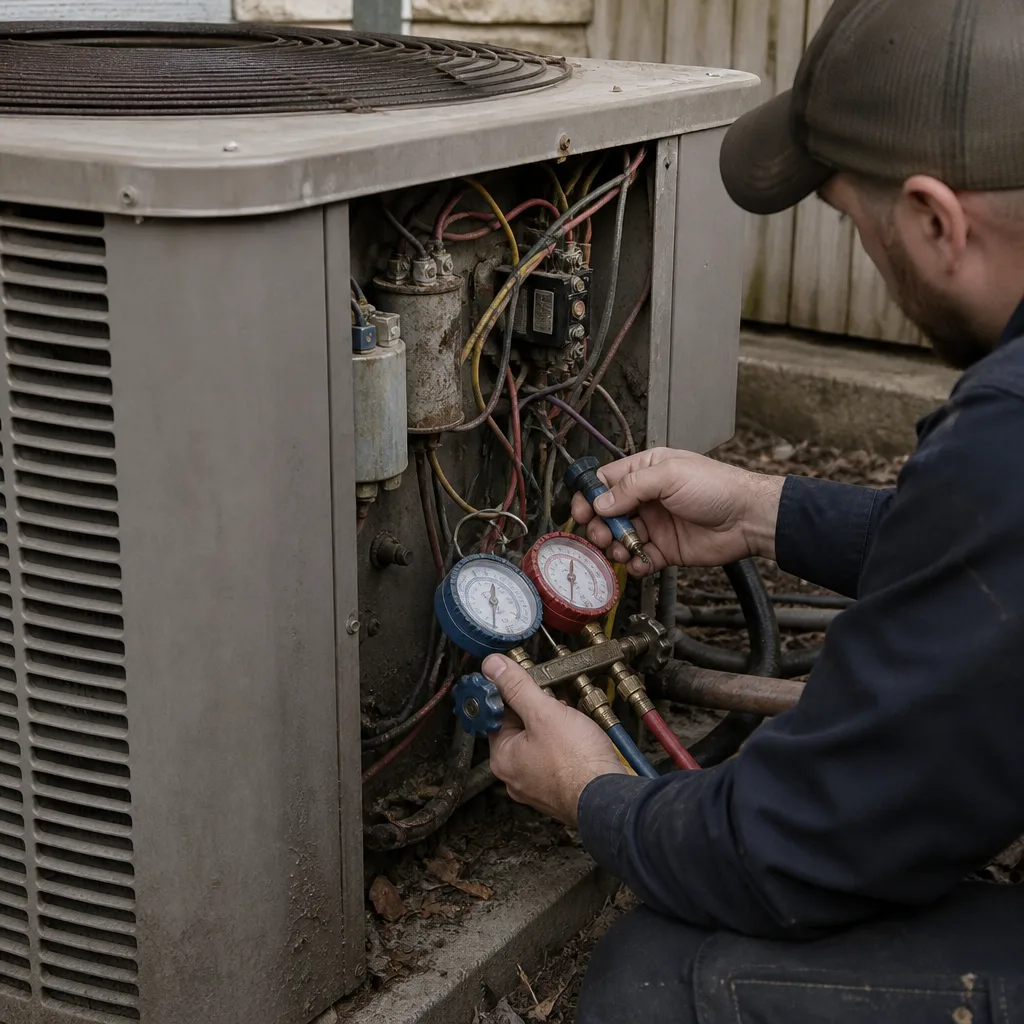 Before
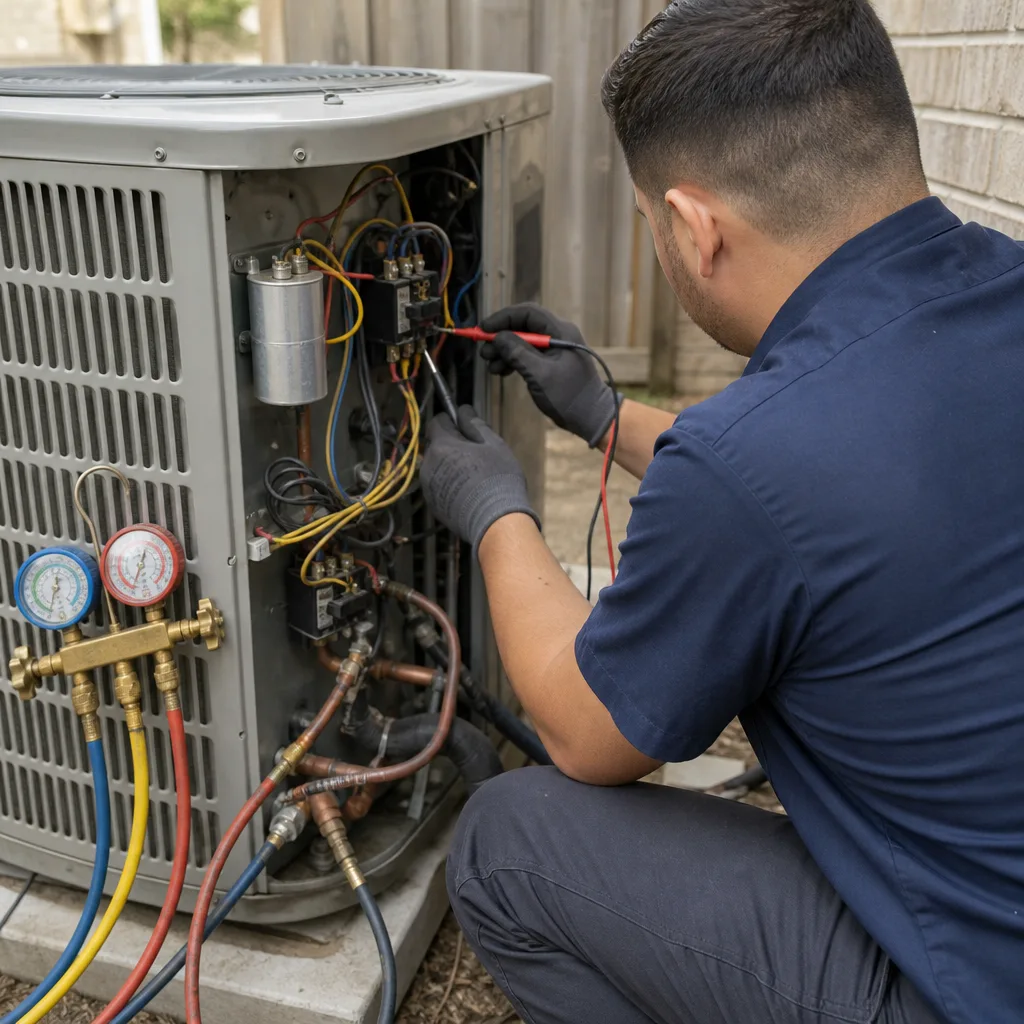 After
After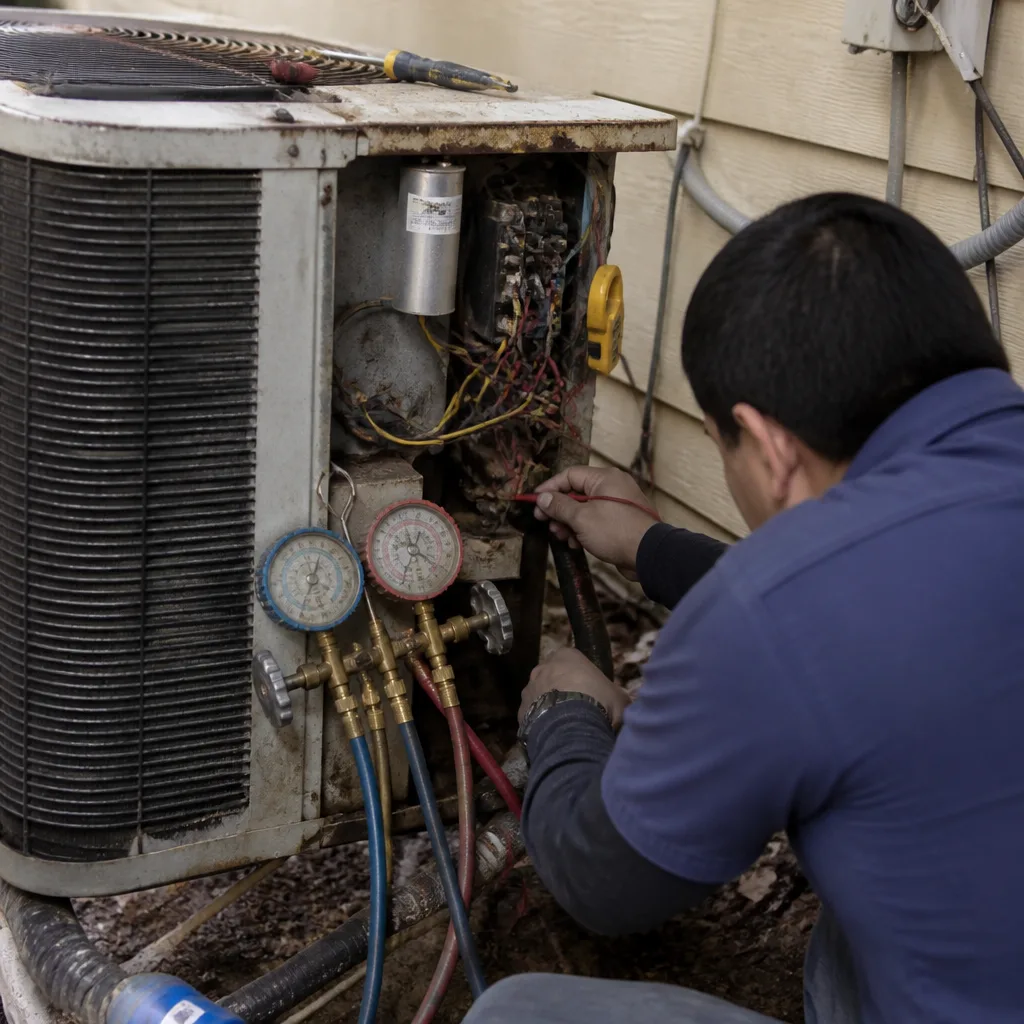 Before
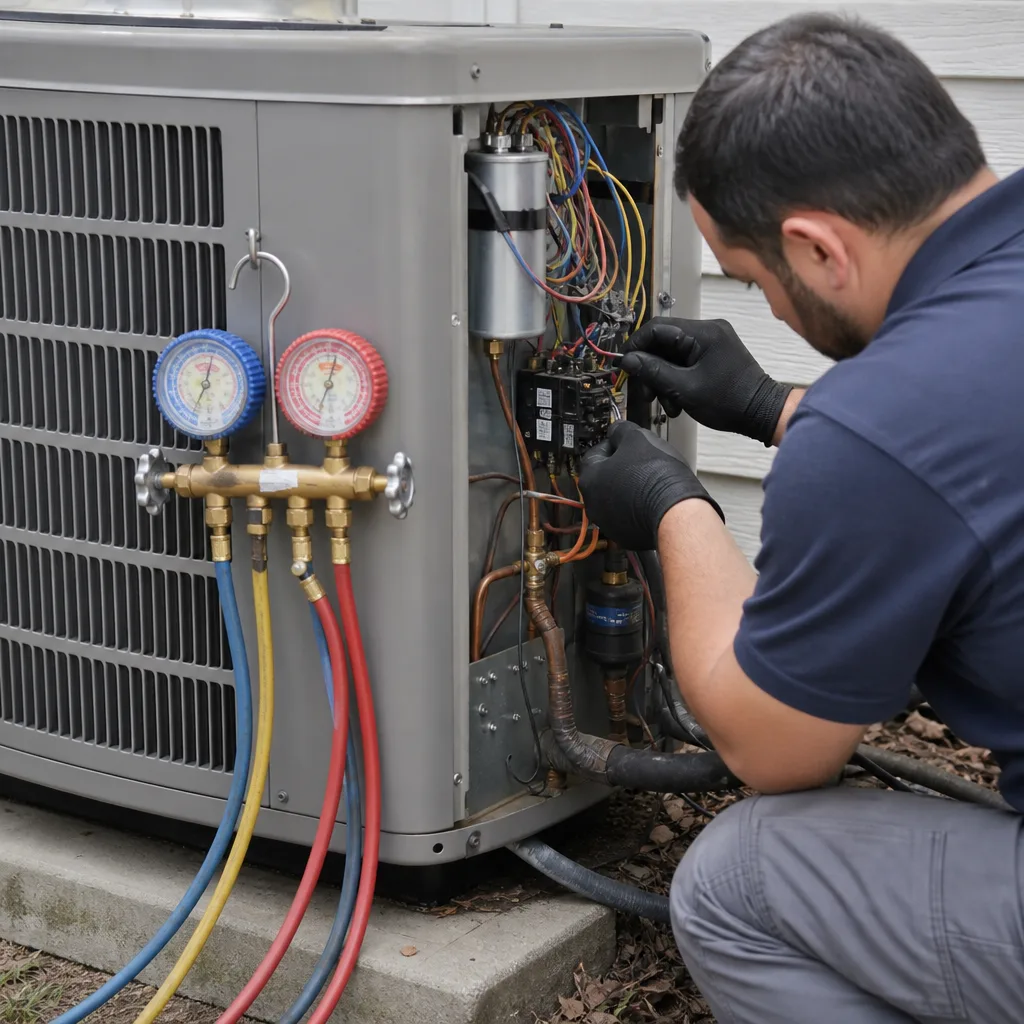 After
After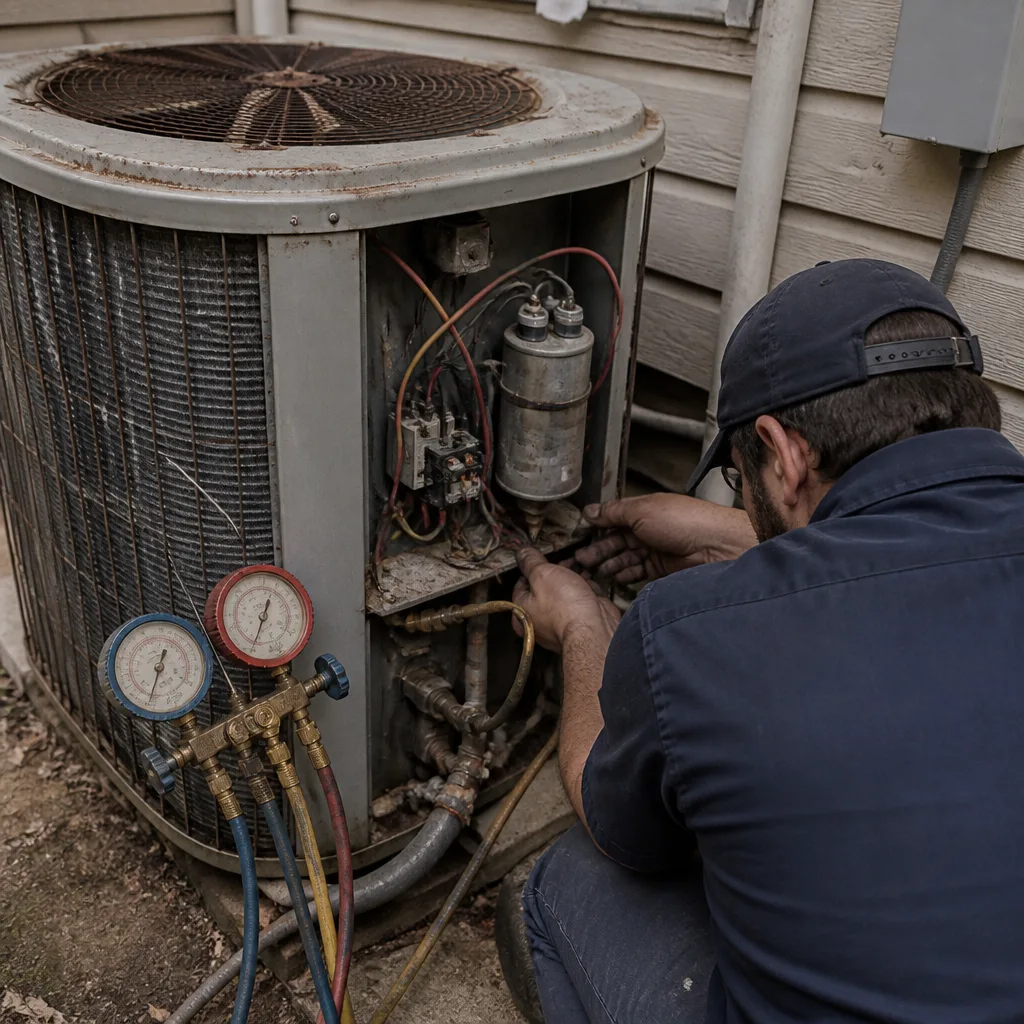 Before
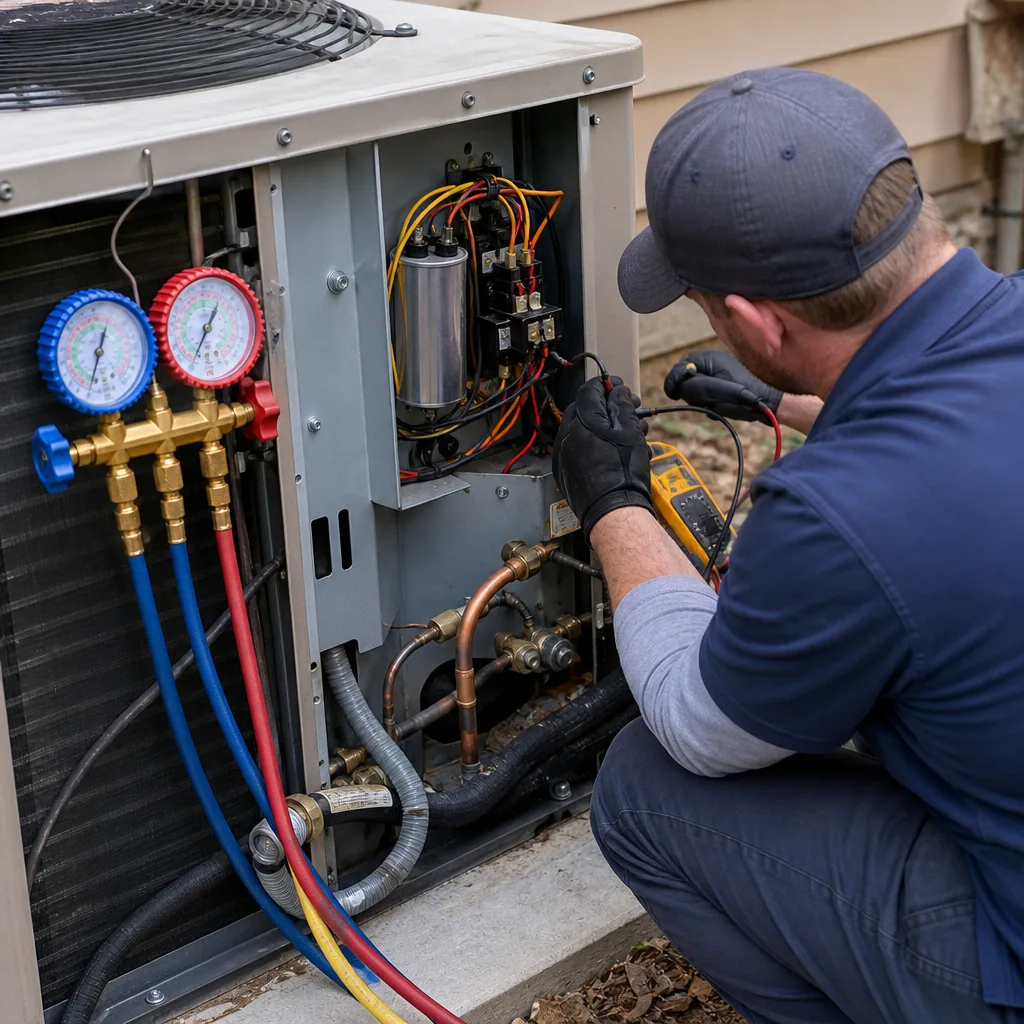 After
AfterWhen to Call a Professional
Call a technician when the delta-T on a hot day is under 12°F, when ice forms on the refrigerant line, when the system short-cycles repeatedly, when a thermostat error code reappears after power cycling, or when a gas odor or burning plastic smell is present. These are not fix-it-yourself items. Each one points to a component that, ignored, becomes a bigger repair. Dalton Heating & Air Fort Worth offers free estimates in Fort Worth – call (817) 730-5369. Explore more guides & resources on our blog. Marco Benitez and the team follow The Garrison Code: arrive inside the stated window, put the price in writing before starting, do the job by the book, leave the site clean, and stand behind the work for a full year.
Frequently Asked Questions
The most commonly missed warning sign is a gradual rise in cooling energy use without any change in thermostat settings or weather patterns. Homeowners notice a loud noise or a total failure, but a 25% efficiency drop shows up only in the kWh comparison and the delta-T reading, not in comfort.
A diagnostic visit in the Fort Worth market typically runs $79 – $129 depending on the provider and the time of day. Dalton Heating & Air applies the diagnostic fee toward any repair you approve, so the visit is effectively free if work proceeds. Call (817) 730-5369 for the current rate and availability.
No. Checking refrigerant charge requires a manifold gauge set and EPA Section 608 certification to handle refrigerant. Homeowners can identify warning signs like ice on the line, warm supply air, and short cycling, but opening the system yourself is illegal without certification and dangerous.
In Fort Worth’s heat and humidity, a well-maintained system typically lasts 12 – 15 years, with compressors on the shorter end when the system has been run through repeated Texas summers without regular coil cleaning and filter changes. Systems that are short-cycled or run with dirty coils often fail at 8 – 10 years.
Dalton Heating & Air Fort Worth is factory-trained to service nine major residential HVAC brands: Carrier, Trane, Lennox, Goodman, Rheem, York, Daikin, Bryant, and American Standard. If your system is one of these brands, the technician arrives knowing its common failure modes and correct service procedures.
Dalton Heating & Air answers calls 24/7 with a live person, and same-day emergency service is available across Fort Worth. Call (817) 730-5369 to speak with someone directly – no voicemail queue, no callback window.
The Bottom Line
Most HVAC failures announce themselves weeks or months before the system quits. The trick is knowing which warning signs are real and which are normal operation. A 15 – 20°F supply-to-return temperature split on a hot day, no ice on the refrigerant line, steady cycling, and stable kWh usage – those are the markers of a healthy system. Anything outside those bounds deserves a closer look. And when the signal is clear, act on it. A $300 repair caught early beats a $3,000 compressor replacement caught late. Every time. Dalton Heating & Air Fort Worth puts every repair price in writing before work starts, guarantees the repair in writing for a full year, and returns free if the work does not hold. Start your diagnosis from the Dalton Heating & Air Fort Worth home page, or call (817) 730-5369 for a straight answer.
Written by Marco Benitez, Owner at Dalton Heating & Air Fort Worth, serving Fort Worth since 2003.