
Last updated October 16, 2026
 AC repair
 Furnace & heating
 Heat pumps
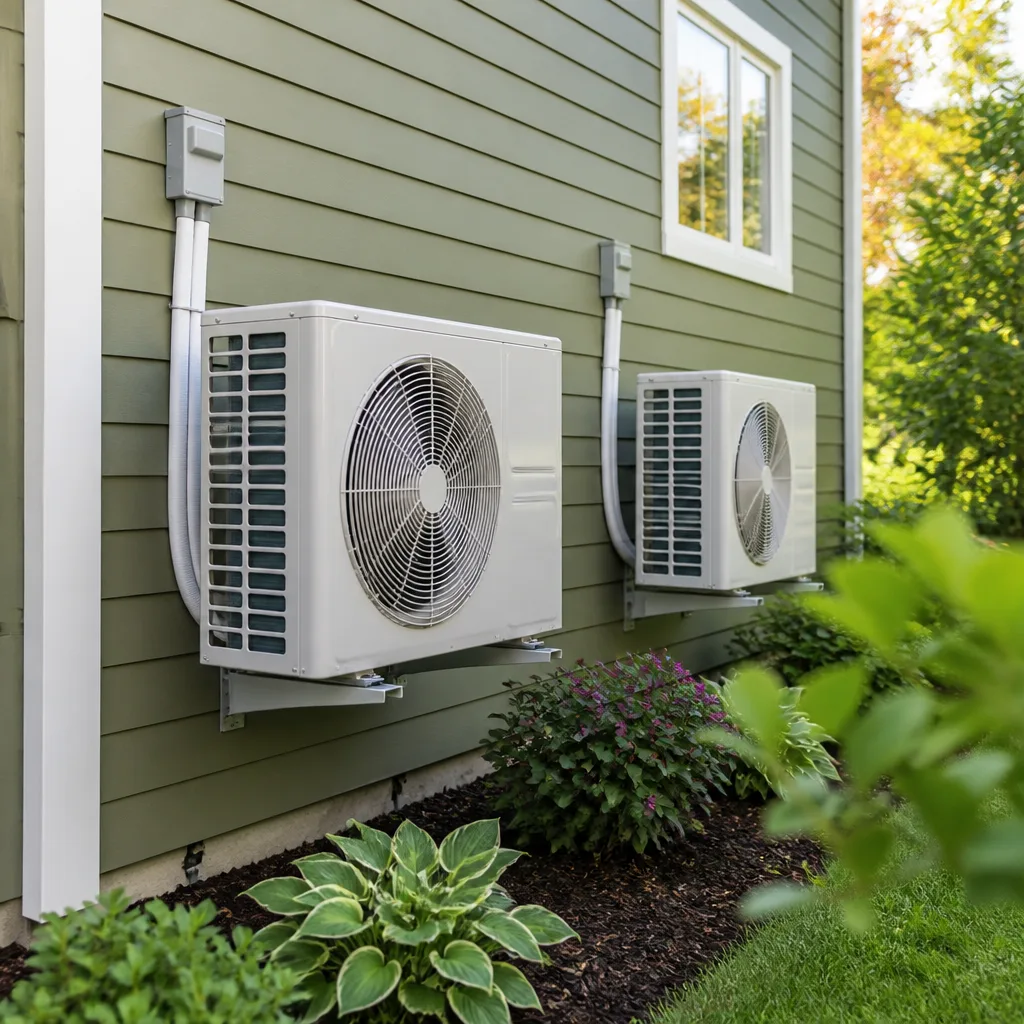 Ductless mini splits
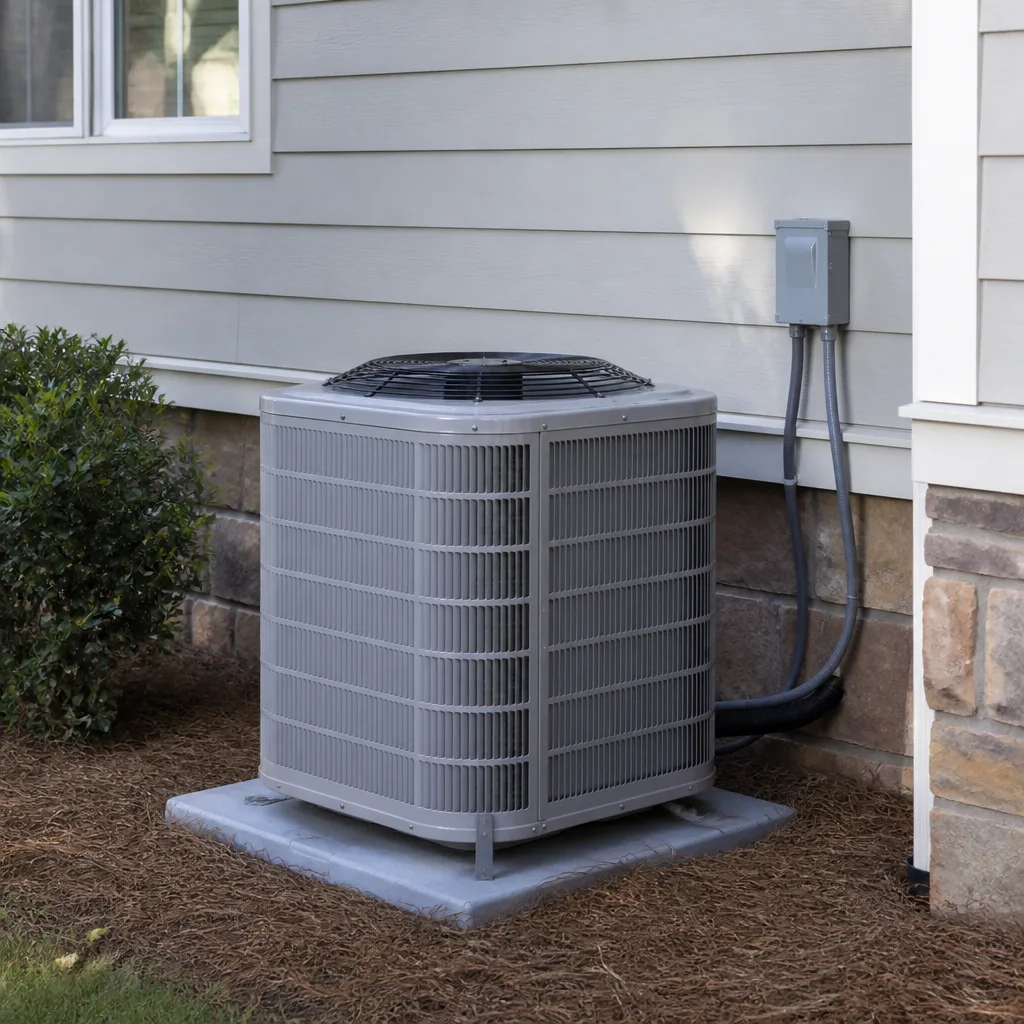 Carrier
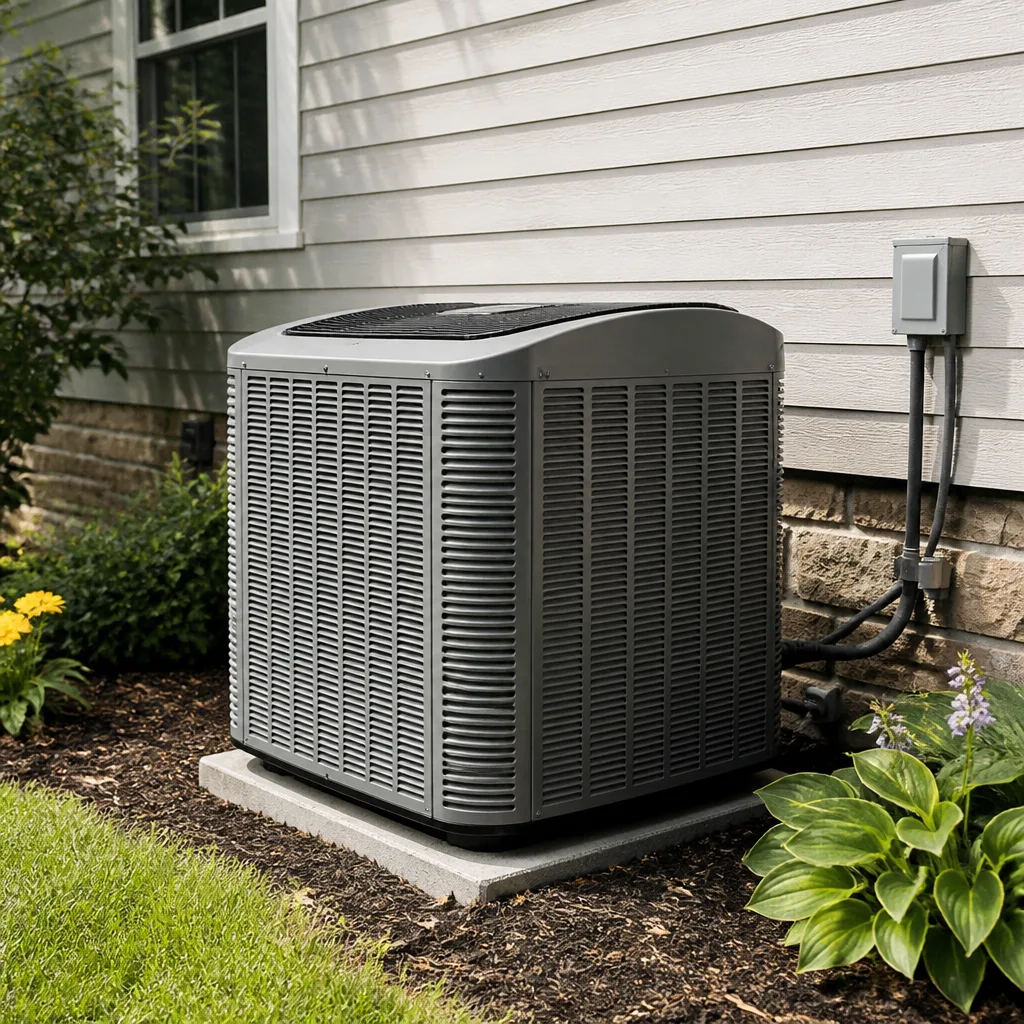 Trane
Trane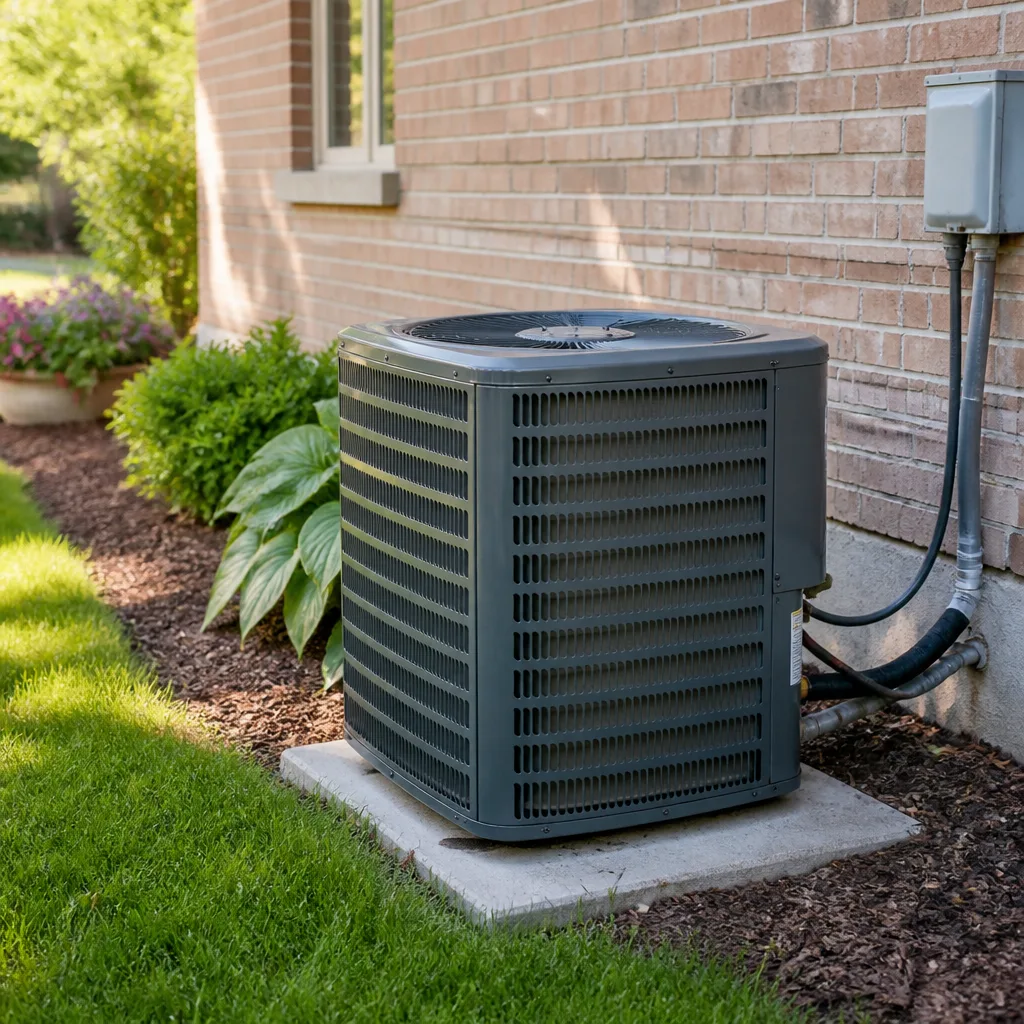 Goodman
Seasonal tune-up and full diagnostic on your Carrier, Trane, or Goodman system - readings shown to you before any repair is proposed
Diagnosis first, numbers second - you approve the repair price before a single part goes in.
Get your free estimateDIY vs Professional HVAC: The Fort Worth Homeowner’s Decision Guide
Replacing a thermostat is legal DIY in Texas. Touching the refrigerant lines on the same system is a federal Clean Air Act violation without an EPA Section 608 certification, and those two tasks can happen ten minutes apart on the same service call. That line, between what a homeowner can legally and safely do and what state and federal law reserves for licensed professionals, is the real answer to the DIY-versus-professional question most Fort Worth homeowners are actually asking. This guide maps every common HVAC task onto the correct side of that line and explains the specific reason each task belongs there, or browse more guides & resources for related topics. By the end, you will know which jobs you can handle Saturday morning, which ones require a call to a licensed contractor, and why some YouTube tutorials are technically federal violations.
Quick Answer
The DIY-versus-professional HVAC decision in Fort Worth comes down to refrigerant, electrical, and gas lines, not personal comfort level. Texas law and EPA rules allow homeowners to change filters, swap thermostats, and clean condenser coils on their own primary residence, but refrigerant handling, gas line work, and most electrical component replacement require certification or licensing. If the task involves the sealed refrigerant system, a gas line, or a line-voltage electrical connection, call a licensed professional. Everything else is fair game with basic tools and the right preparation.
Styles & brands we work with
Table of Contents
- The Legal Boundary: What Texas and Federal Law Actually Say
- Task-by-Task Map: Where Every Common HVAC Job Lands
- EPA Section 608: The Refrigerant Rule Explained in Plain Terms
- The Capacitor Math: Why an $18 Part Can Cost $4,200
- Where the Texas Homeowner Exemption Actually Applies
- Diagnostic Mode: The Legitimate DIY Step That Saves Real Money
- Fort Worth Climate Realities That Change the Math
- Common Mistakes to Avoid
- When to Call a Professional
- Frequently Asked Questions
The Legal Boundary: What Texas and Federal Law Actually Say
Most Fort Worth homeowners do not know this, but the DIY-versus-professional question is not a personality test. It is a legal boundary that state and federal code has already drawn, and the line sits in places that often surprise people.
The State of Texas regulates HVAC work through the Texas Department of Licensing and Regulation, the Air Conditioning and Refrigeration Contractors program. To perform or offer air conditioning and refrigeration contracting work for compensation, a person or company must hold a Texas ACR Contractor license. But the rules carve out a space that matters to homeowners directly. Here is what Texas law actually permits the owner of a single-family residence to do without a contractor license:
- Work on your own primary residence. The homeowner exemption applies to the home you live in, not a rental property you own, not a flip, not a neighbor’s house.
- Basic maintenance tasks. Filter replacement, coil cleaning, thermostat swapping, and drain line clearing all fall within the scope of ordinary home maintenance.
- Replacing non-refrigerant components. A capacitor, a contactor, a blower motor, a control board, provided you understand the electrical risks and shut power down correctly.
What the exemption does not cover, at any time, for any homeowner: handling, recovering, or adding refrigerant. That restriction comes from federal law, not state. We will get to EPA Section 608 shortly, but know this now: the exemption many homeowners believe they have is narrower than the internet would have them believe. Fort Worth local code enforcement does not go house to house inspecting homeowner HVAC work, but the liability has teeth anyway. If an unpermitted, unlicensed repair causes a fire or a refrigerant vent, the homeowner’s insurance company has grounds to deny the claim.
If you want a licensed Fort Worth contractor to look at a system you have been maintaining yourself, the team at Dalton Heating & Air Fort Worth home works with homeowners exactly like that every week. We do not lecture. We diagnose, we document, and we put the price in writing before any work starts.
Task-by-Task Map: Where Every Common HVAC Job Lands
Here is the map. Every common HVAC task a Fort Worth homeowner can think of, sorted by legal status and real injury risk. This is the section to bookmark.
Green Column: Legal DIY, Low Risk
- Filter replacement. Legal, no risk. Replace standard 1-inch filters every 30 to 60 days during Fort Worth’s peak cooling season, May through September, and every 90 days in milder months. A dirty filter is the number one cause of coils freezing and compressors failing early.
- Thermostat swap or battery replacement. Legal, low risk. Kill power at the air handler first. Four or five low-voltage wires, color-matched to terminals. A Honeywell, Ecobee, or Nest thermostat swap takes an average homeowner 30 minutes.
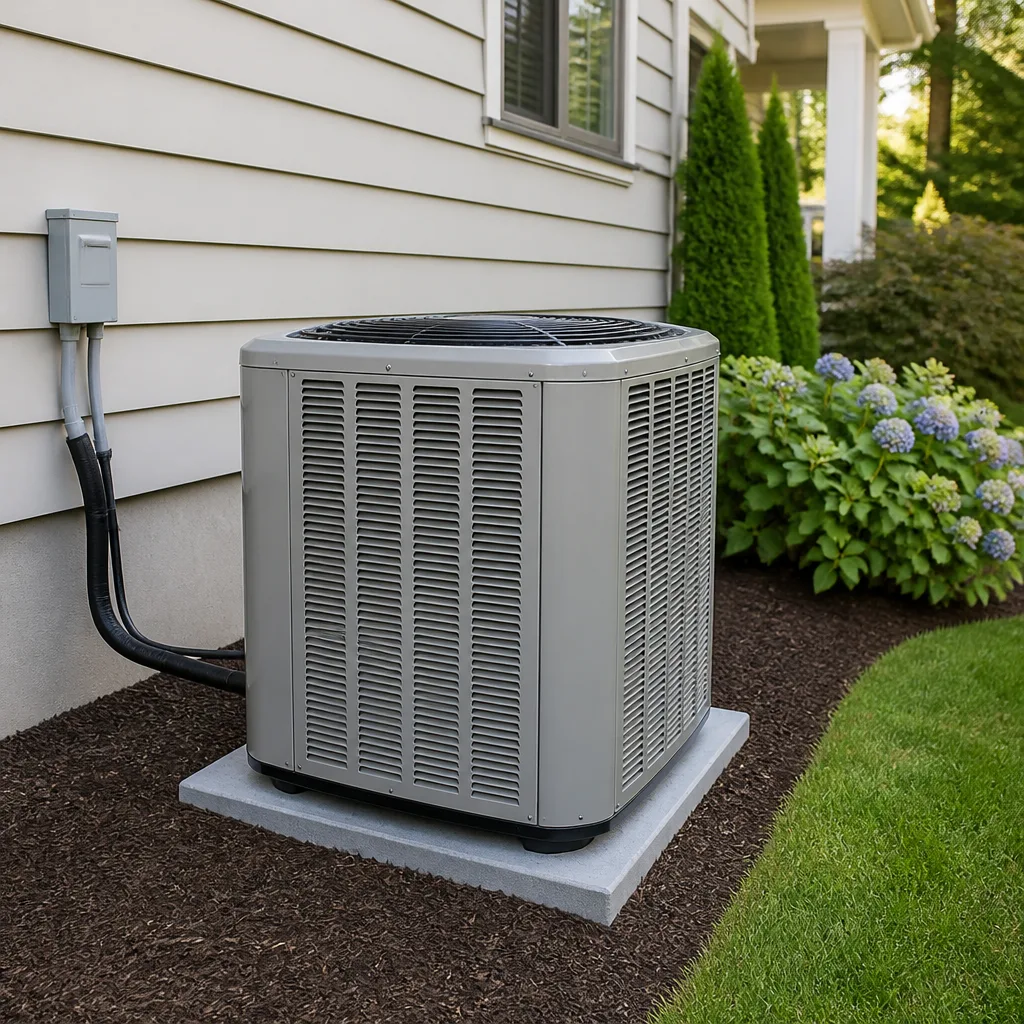
- Condenser coil cleaning. Legal, low risk. Kill power at the outdoor disconnect. Use a garden hose with a nozzle, not a pressure washer. Spray from the inside out, never drive debris deeper into the coil fins. Do this twice a year in Fort Worth, where cottonwood, dust, and pollen load coils hard in spring.
- Drain line clearing. Legal, low risk. A wet-vac on the drain outlet, or a gallon of white vinegar flushed through the line, clears most clogs. Fort Worth humidity in late summer breeds drain line algae aggressively.
- Capacitor replacement. Legal in Texas, but see the risk section below. If you are comfortable with a multimeter and a full power shutdown, a capacitor swap is mechanical. If you are not, do not learn on a live circuit.
Yellow Column: Legal DIY, Higher Risk, Real Consequence of Error
- Contactor replacement. Legal. Line voltage. You are working next to a 240-volt connection. Error means arc flash or a dead compressor.
- Blower motor replacement. Legal. Requires disassembly of the air handler, balanced removal, and careful reinstallation. A misaligned blower wheel vibrates into failure within a season.
- Control board replacement. Legal. Requires matching the exact board revision to the furnace or air handler model number. One wrong revision and the system runs or it does not, often without obvious reason.
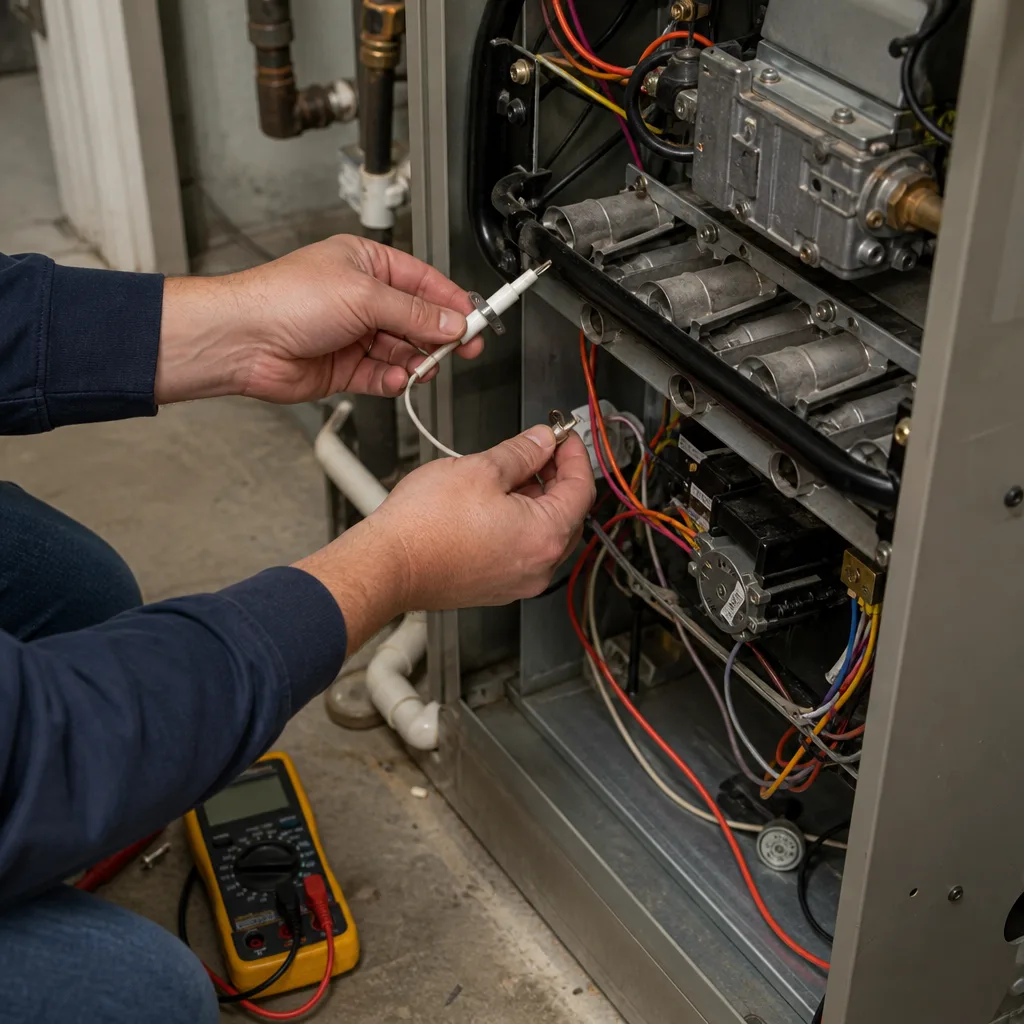
- Thermocouple or flame sensor cleaning. Legal for gas furnaces. Gas valve and combustion chamber proximity means a mistake becomes a carbon monoxide risk. Shut gas off at the valve if you attempt this.
Red Column: Not Legal DIY, Period
- Refrigerant charge, recovery, or leak repair. Federal EPA Section 608 certification required. No homeowner exemption. No exception for watching a video first.
- Gas line work. Requires a Texas plumbing license and usually a city permit in Fort Worth. A gas leak is not a DIY scenario, ever.
- Duct replacement or major duct modification. Texas building code requires permits on substantial duct work in most Fort Worth jurisdictions. Poorly sealed ducts also lose 20 to 30 percent of conditioned air, which you pay for every month.
- Compressor replacement. Requires refrigerant recovery, brazing with nitrogen purge, evacuation to a deep vacuum, and precision charge. No step of that is homeowner work.
EPA Section 608: The Refrigerant Rule Explained in Plain Terms
Quick Answer: The Clean Air Act, under EPA Section 608, makes it a federal violation for any person to knowingly release or vent refrigerant into the atmosphere, and it is also a violation to add or remove refrigerant without an EPA Section 608 certification. The fine structure is not theoretical. The EPA can assess penalties up to $44,539 per day, per violation. For a homeowner who vents a home AC system instead of recovering the refrigerant properly, that is a five-figure penalty for a task that a licensed contractor would have done for $300 to $500.
We explain this because most homeowners genuinely do not know. Here is what Section 608 actually governs:
- No venting. R-410A and R-22 must be recovered with certified recovery equipment before any system is opened. No exceptions. No “it was a tiny leak” argument.
- No adding refrigerant without certification. To purchase, handle, or add refrigerant to a residential system, the person doing the work must hold a Section 608 certification. Refrigerant wholesalers in Texas are prohibited from selling R-410A to uncertified buyers.
- Leak repair requirements. Systems holding 50 pounds or more of refrigerant are subject to mandatory leak repair timelines. Most home systems hold 4 to 12 pounds, but the recordkeeping expectation applies to technicians who touch them anyway.
- Equipment and reclaim. Recovered refrigerant must either be recycled on site with certified equipment or sent to a licensed reclaimer. A contractor who dumps it into a barrel out back is committing the same violation as a homeowner who cuts the line with tin snips.
What this means practically in Fort Worth: any YouTube video that shows a person topping off an home AC system with a can of refrigerant from a parts store is showing a federal violation. The cans exist on shelves, but the act of connecting that can to a service port without certification is illegal. And a system that needs refrigerant is a system with a leak, which means adding refrigerant without finding and repairing the leak is like adding air to a punctured tire every week instead of patching the hole. If your system is low on charge, call a licensed Fort Worth contractor. AC repair in Fort Worth work that involves refrigerant handling starts with leak detection, not top-off, because top-off without leak repair is the expensive way to do nothing.
The Capacitor Math: Why an $18 Part Can Cost $4,200
Quick Answer: A capacitor stores and releases the electrical charge that starts the compressor and fan motors. When it fails, the compressor can attempt to start against a locked rotor, pull locked-rotor amperage, overheat the windings, and destroy itself in minutes. The $18 capacitor, replaced incorrectly, routinely leads to a $2,800 to $4,200 compressor replacement.
Let us walk through the sequence, because this is the most common repair a Fort Worth homeowner decides to attempt, and the most common repair that goes wrong in the same way every time.
- Start with a system that hums but does not start. The outside unit buzzes for a second, then stops. Classic symptom of a failed start capacitor or dual-run capacitor.
- Homeowner watches a video, buys a capacitor. The part costs $15 to $35 depending on the brand and microfarad rating. So far, so reasonable.
- The homeowner installs the capacitor with the power still on at the disconnect, or with residual charge in the old capacitor. A charged capacitor can deliver a shock even after power is off. The result is often a frightened homeowner, a blown fuse, or a burnt wire. Sometimes worse.
- Or, the homeowner installs the wrong capacitance value. The old cap is a dual-run 45/5 microfarad. The new one is a 40/5 because it was cheaper or because the parts store did not have the exact match. A compressor running on the wrong capacitance draws improper amps and overheats over weeks, not minutes.
- Or, the homeowner wires the capacitor backward, common, or start versus run terminal. The compressor attempts to start, fails, and the internal overload trips. Each failed start arc-welds a tiny spot inside the compressor windings. Enough failed starts and the compressor shorts to ground.
- Eight months later, the compressor fails. The system is 9 years old, out of parts warranty, and a new compressor plus labor, filter drier, refrigerant recovery, evacuation, and recharge runs $2,800 to $4,200 on a typical R-410A system. The capacitor that started the chain cost $18.
We have seen this exact sequence in every corner of Fort Worth, from Ryan Place to north Fort Worth neighborhoods. None of this means you should fear a capacitor replacement if you genuinely understand electrical safety and have the right tools. It does mean an $18 part is not the low-risk entry point the internet suggests. A licensed contractor’s capacitor replacement runs $200 to $350 in the Fort Worth market, including the part, the diagnosis, and the written guarantee. If a repair quote fails, the contractor returns for free. When a DIY repair fails eight months later, the whole system goes in the scrap pile.
Where the Texas Homeowner Exemption Actually Applies
Texas law, through the ACR Contractor program, does contain a homeowner exemption, and it is broader than nothing but narrower than most forums claim. Let us read it accurately.
The exemption allows the owner of a single-family dwelling to perform air conditioning and refrigeration work on that dwelling without holding a contractor license, provided the work is not for compensation. That is the first wall: it must be your own home, and you cannot profit from the work.
The second wall is where Fort Worth homeowners get tripped up: the exemption does not extend to rental property. If you own a rental house in Arlington Heights or Wedgwood and you replace a blower motor yourself, you are performing unlicensed contracting on property you do not occupy. That is a TDLR violation, and if the tenant reports it, or if a fire or injury results, the exposure is real.
The third wall is federal: the homeowner exemption is a state-created category. It does not override EPA Section 608. A homeowner cannot add refrigerant to a system on a primary residence, a rental, or anything else without Section 608 certification. State law and federal law stack, and the federal one has the higher ceiling on penalties.
Here is a plain-language list of what the Texas homeowner exemption covers on your own primary residence:
- Air filter replacement and housing cleaning
- Thermostat replacement and programming
- Condenser and evaporator coil cleaning (water only, no chemicals that require handling certification)
- Drain line and drain pan cleaning
- Capacitor, contactor, and control board replacement (electrical risk is on you)
- Blower motor, fan motor, and fan blade replacement (mechanical risk is on you)
- Flame sensor cleaning and thermocouple replacement on a gas furnace (gas risk is on you, and gas line work itself is not covered)
The exemption is not a license to ignore building codes. Substantial duct modifications, new system installations, and gas line work still require permits and inspections in most Fort Worth jurisdictions; see our guide on HVAC Permits, Codes & Inspections in TX: What You Need to Know for details. If you want to know whether the work you are planning needs a permit, call the city’s Development Services department or ask the contractor you are considering. A licensed Fort Worth contractor who answers with a clear yes or no and explains why is working from experience, not guesswork. In our experience, homeowners who ask the permit question up front are the ones who get fair work at fair prices, because the contractor knows they are dealing with someone who reads.
Diagnostic Mode: The Legitimate DIY Step That Saves Real Money
Quick Answer: Nearly every modern gas furnace and high-efficiency heat pump has a manufacturer diagnostic mode that reads fault codes from the control board and displays them as blinking lights on the unit itself. A homeowner who can retrieve a fault code before calling a technician saves a diagnostic charge and shortens the service call by 15 to 30 minutes.
This is the DIY step we wish more Fort Worth homeowners knew about, because it is legal, free, and directly reduces your repair bill. When a technician arrives without a fault code, they spend the first portion of the call running exactly the same diagnostic sequence. When you can say “the board is throwing a 31, high limit open” or “the thermostat shows error 22 for pressure switch,” the technician goes straight to the failing component.
Here is a step-by-step for retrieving a fault code on the most common brands in Fort Worth homes. The process varies by manufacturer, so pick the one that matches your unit.
- Lennox. Most Lennox furnaces and air handlers have a small window on the lower panel with two LEDs. Count the red and green flashes. One red flash followed by one green flash equals a specific fault. Lennox publishes a code legend on the inside of the access panel.
- Goodman. Goodman and Amana units use a single LED that blinks a code, a pause, then repeats. Two blinks means pressure switch stuck open, three means pressure switch stuck closed, four means high limit open. The code legend is printed on the inside of the access panel.
- Rheem and York. These brands often integrate fault codes directly into the thermostat, especially communicating systems. Press and hold the menu button on the thermostat for five seconds and scroll to the fault history screen. Error codes display as numeric readouts.
Safety note before you open the access panel: kill power at the furnace switch or breaker first. The control board runs line voltage even when the unit is not calling for heat or cooling. You are reading a code, not handling wires. Power it down, remove the panel, take a photo of the LED, put the panel back on, and restore power if you need to watch the flash sequence on a live board. Do not touch any wire, terminal, or component while the unit is powered.
For heat pump systems that do not have an LED window, many digital thermostats store fault history. Ecobee, Nest, and Honeywell smart thermostats all display system alerts under the settings or equipment menu. A thermostat that shows “aux heat running while compressor is locked out” tells you the heat pump itself has a fault and the electric strip heat is covering for it. That single piece of information converts a 90-minute diagnostic into a 45-minute repair call. Fort Worth contractors price diagnostic work in fractions of an hour, so the math works in your favor.
When you have the code and you call for service, say the code out loud at the start of the call. “I have a Goodman furnace throwing a code four, high limit open.” That sentence tells the dispatcher everything: your equipment brand, your fault condition, and the most likely repair path. You will get a faster, more accurate first visit.
Fort Worth Climate Realities That Change the Math
Fort Worth’s climate is hard on HVAC systems in ways that specifically affect the DIY-versus-professional decision. Here is what we know from working on systems across this city that a generic national article will not tell you.
First, the heat load is brutal and consistent. Fort Worth averages 90+ days above 90 degrees every year, and the nighttime lows in July and August often stay above 80. A system that is running 16 to 18 hours a day during peak season wears capacitors, contactors, and fan motors faster than the same system in a milder climate. Components that last 10 years in Ohio last 6 to 8 years here. A marginal DIY repair that works fine in October may fail in July under maximum load, when the system has no headroom at all.
Second, the spring pollen and dust load is unique. Fort Worth sits in a convergence zone for cedar from the Hill Country, oak from the Cross Timbers, and agricultural dust from the plains. Every March and April, condenser coils in this city get coated in a paste of pollen and dust that cuts heat rejection efficiency. A coil that is cleaned twice a year runs 10 to 15 degrees cooler under load. That is a legal DIY task and a genuinely effective one. A coil that is pressure-washed incorrectly, with fins bent flat, is worse than a dirty coil. We see bent-fin coils regularly, and the repair is often a full coil replacement at $1,200 to $2,800 depending on the system.
Third, the hail risk. Fort Worth sits in a hail corridor. Spring storms drop golf-ball and larger hail across the metro routinely. A hail-damaged condenser coil is a different problem than a dirty one. Insurance claims on hail-damaged outdoor units are common here, and the claim process requires a contractor’s written diagnosis and damage assessment. That is not a DIY task, and your insurer will not accept a homeowner’s word that the coil is hail-damaged.
Fourth, the electrical grid stress. Summer heat wave conditions push the Texas grid to its limits. Low voltage from grid strain can damage compressor windings and control boards. If you have repeated capacitor failures or control board failures over two or three summers, the cause may be incoming voltage sag, not the parts. A licensed technician with a voltage monitor can diagnose that. A homeowner replacing capacitors every July is treating the symptom and funding the parts store.
The practical takeaway: Fort Worth’s specific climate makes professional diagnosis worth more here than in most U.S. markets, because the failure patterns are accelerated and the compounding factors are local. A system that gets a professional inspection in March, before the first heat wave, fails less often in August. If you have been running DIY maintenance, pair it with a professional tune-up at the front of the cooling season. For heat pump installation in Fort Worth and maintenance guidance, a detailed conversation about your specific equipment and ducting beats any generalized advice.
Common Mistakes to Avoid
- Refrigerant top-off without leak repair. A system that needs refrigerant has a leak. Topping it off without finding and fixing the leak is illegal without Section 608 certification and wasteful with it. The leak returns, the refrigerant vents again, and you pay twice.
- Capacitor replacement with the wrong microfarad rating. A 40/5 is not a 45/5. The compressor runs hot, amperage climbs, and the winding insulation breaks down over months. The $25 savings on a close-enough capacitor becomes a $3,000 compressor.
- Pressure-washing a condenser coil. High pressure bends the aluminum fins flat. A flattened fin coil rejects less heat, raises refrigerant pressure, and shortens compressor life. Use a garden hose with a nozzle, not a pressure washer, and spray from the inside out.
- Furnace access panel left off or misaligned after a filter change. Most modern furnaces have a door switch that prevents operation with the panel off, and a misaligned panel can trip the switch intermittently. If you change the filter and the furnace will not run, check the panel first.
- Ignoring a code-four high-limit fault on a Fort Worth furnace. A high limit open means the furnace is overheating, often from a dirty filter, closed vents, or a failing blower motor. Running the system through repeated high-limit trips cracks the heat exchanger over time, and a cracked heat exchanger is a carbon monoxide hazard.
- Using a rental property as a DIY laboratory. The Texas homeowner exemption applies to your primary residence, not your rental. Work on a rental without a license and you are operating as an unlicensed contractor, with real TDLR and insurance exposure.
- Calling a contractor after the first failed DIY attempt and not disclosing it. The technician will figure it out from the wiring, the mismatched part, or the missing panel screws. Disclose the attempt up front. It saves the technician time and saves you money.
When to Call a Professional
Call a licensed professional when the job involves refrigerant in any form, a gas line, a line-voltage electrical component you are not fully comfortable with, or a system that failed during a heat wave and you need it running today. Also call a professional when the system has failed repeatedly, when a repair demands parts you cannot source locally, or when your insurance company requires a contractor’s documentation. For furnace work that involves gas valves, burners, or the heat exchanger, furnace repair in Fort Worth is a task for a licensed technician, not a weekend project. Dalton Heating & Air Fort Worth offers free estimates across Fort Worth, and the work always comes with a written price before any job starts and a written guarantee on every repair. Call (817) 730-5369 when you want a specific answer on a specific system.
Frequently Asked Questions
Yes, replacing a capacitor on your own primary residence is legal in Texas under the homeowner exemption to the ACR Contractor licensing requirement. The legal risk is low. The safety and equipment risk is real, because a capacitor stores charge even with power off, and a wrong-size capacitor damages the compressor over time. If you understand electrical safety and have a multimeter, it is a reasonable DIY task. If the capacitor is swollen, leaking, or you feel unsure at any point, call a licensed contractor.
The EPA can assess penalties up to $44,539 per day, per violation, for knowingly venting refrigerant under Section 608 of the Clean Air Act. The fine applies to homeowners and technicians equally. Releasing R-410A or R-22 from a residential AC system by cutting a line or loosening a fitting without recovery equipment is a federal violation with a five-figure ceiling. Licensed contractors use recovery machines, not scissors.
No. Adding refrigerant to any AC or heat pump system requires an EPA Section 608 certification, and there is no homeowner exemption under federal law. The Texas homeowner exemption governs state licensing, not federal refrigerant handling rules. Any person who connects a refrigerant canister to a service port without certification is violating the Clean Air Act.
Most furnace and AC repairs in the Fort Worth market run $150 to $450 depending on the part and the diagnostic time; for a full picture, read our HVAC Cost Breakdown: The Fort Worth Homeowner’s Reference for 2026. Capacitors and contactors run $200 to $350 installed, blower motors run $500 to $900, control boards run $400 to $800, and compressor replacements run $2,800 to $4,200 on most R-410A systems. Every repair at Dalton Heating & Air Fort Worth comes with a written price before work starts and a written guarantee on the repair for a full year. Call (817) 730-5369 for an exact quote on your system, estimates are free.
A capacitor stores and releases the electrical charge that starts the compressor and fan motors. A contactor is the electrical switch that connects line voltage to the compressor and outdoor fan when the thermostat calls for cooling. Both are common failure points on Fort Worth AC systems due to heat stress. Both are legal DIY replacements on your own home, but both involve line voltage and require a full power shutdown before work begins.
Repair when the system is under 10 years old and the repair cost is under $1,500, because most well-maintained systems in Fort Worth last 12 to 15 years. Replace when the compressor has failed, when the furnace heat exchanger is cracked, or when repair costs exceed one-third of the replacement cost. Fort Worth’s heat load and hail exposure shorten effective system life compared to milder climates, so a 14-year-old system that needs a $2,000 repair is usually a replacement candidate. Call (817) 730-5369 for specific guidance on your system and an honest written quote either way.
The Bottom Line
The DIY-versus-professional HVAC question resolves cleanly once you know the boundary lines. Filters, thermostats, coil cleaning, and drain clearing are homeowner work, legal and low-risk. Capacitors, contactors, and motors are legal but carry real electrical and equipment risk. Refrigerant handling is never legal without certification, gas line work is never a DIY task, and a failed capacitor swap that damages a compressor turns an $18 part into a $4,200 repair. Fort Worth’s heat, pollen, and hail make professional diagnosis worth more here than in milder markets. The smart homeowner does the legal DIY work, retrieves fault codes before calling, and holds a licensed contractor to a written price and a written guarantee on everything else. For help choosing one, see How to Hire a HVAC Contractor in Fort Worth: A Step-by-Step Guide.
Call Dalton Heating & Air Fort Worth at (817) 730-5369 for a free estimate on any repair or replacement. The price is in writing before work starts, every time. The repair is guaranteed in writing for a full year. If it fails in that time, we return at no charge.
Written by Marco Benitez, Owner at Dalton Heating & Air Fort Worth, serving Fort Worth since 2003.
See the difference
 Before
 After
After Before
 After
After Before
 After
After